Rising fuel prices, driven by the conflict in the Middle East, are boosting demand for new and used electric vehicles (EVs) in Europe. However, many automotive industry leaders warn that this trend could slow down if gasoline prices cool down in the near future.
Sales of new electrified vehicles in Europe are growing.
According to industry data shared with Reuters , in addition to fuel prices, the development of charging infrastructure and the wave of cheaper electric vehicles, particularly from Chinese automakers, are helping EVs become more popular with European consumers.
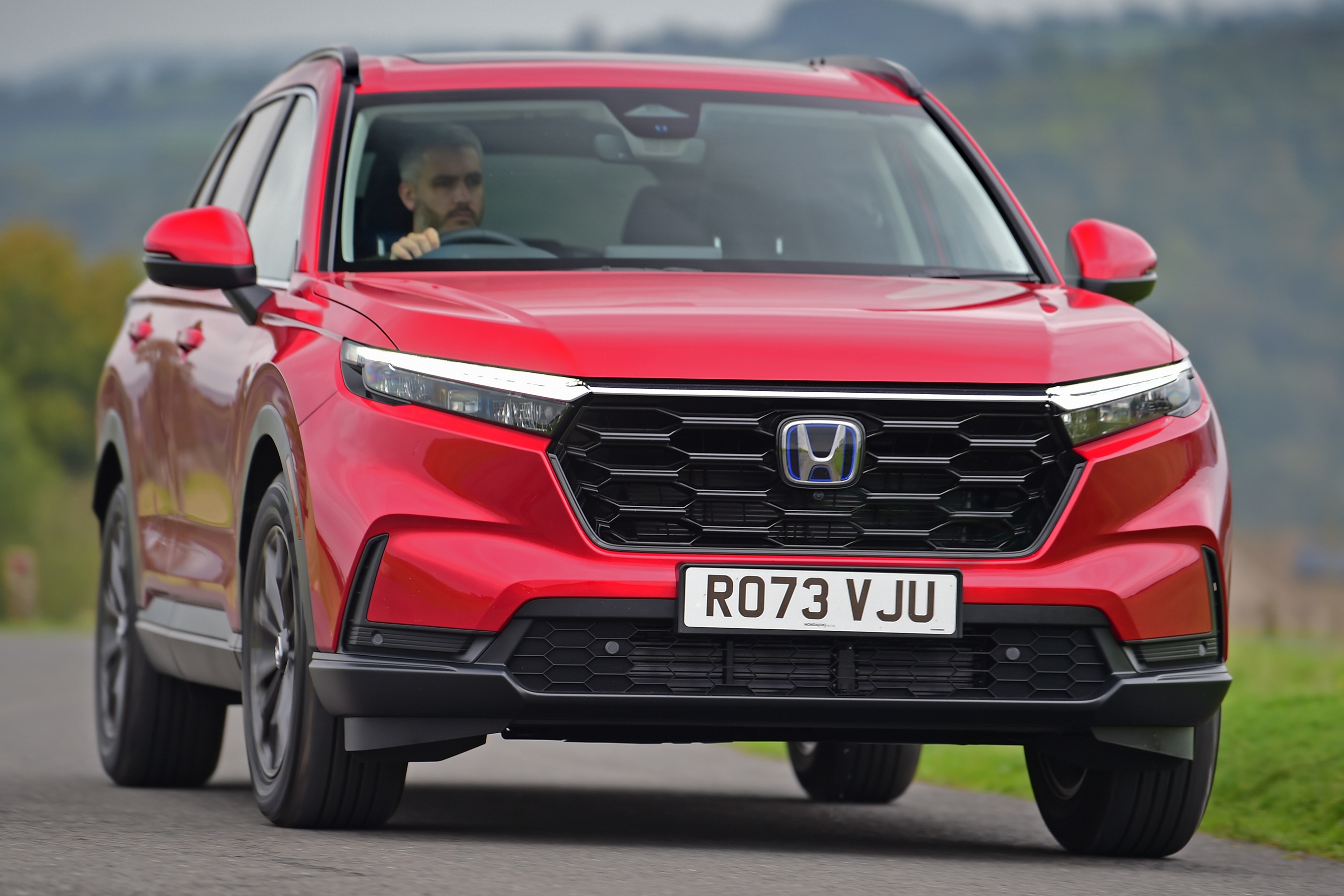
According to market research firms, new EV sales in 17 European markets increased by 34% in May 2026. Fully electric vehicles (BEVs) accounted for nearly a quarter of all new vehicle registrations in these markets.
According to research firm New Automotive and industry association E-Mobility Europe, new electrified vehicle registrations in 17 markets, representing over 90% of car sales in the European Union (EU) and the European Free Trade Association (EFTA), increased by 34% in May 2026 compared to the same period last year. Fully electric vehicles (BEVs) accounted for nearly a quarter of all new vehicle registrations in these markets.
The fuel crisis is unfolding at a time when automakers are launching more affordable EV models in Europe, addressing one of the biggest barriers to electric vehicle adoption: the higher upfront cost compared to internal combustion engine vehicles.
The fuel crisis is occurring at a time when automakers are launching more affordable EV models in Europe, and the development of charging infrastructure is also giving consumers more confidence in their product choices.
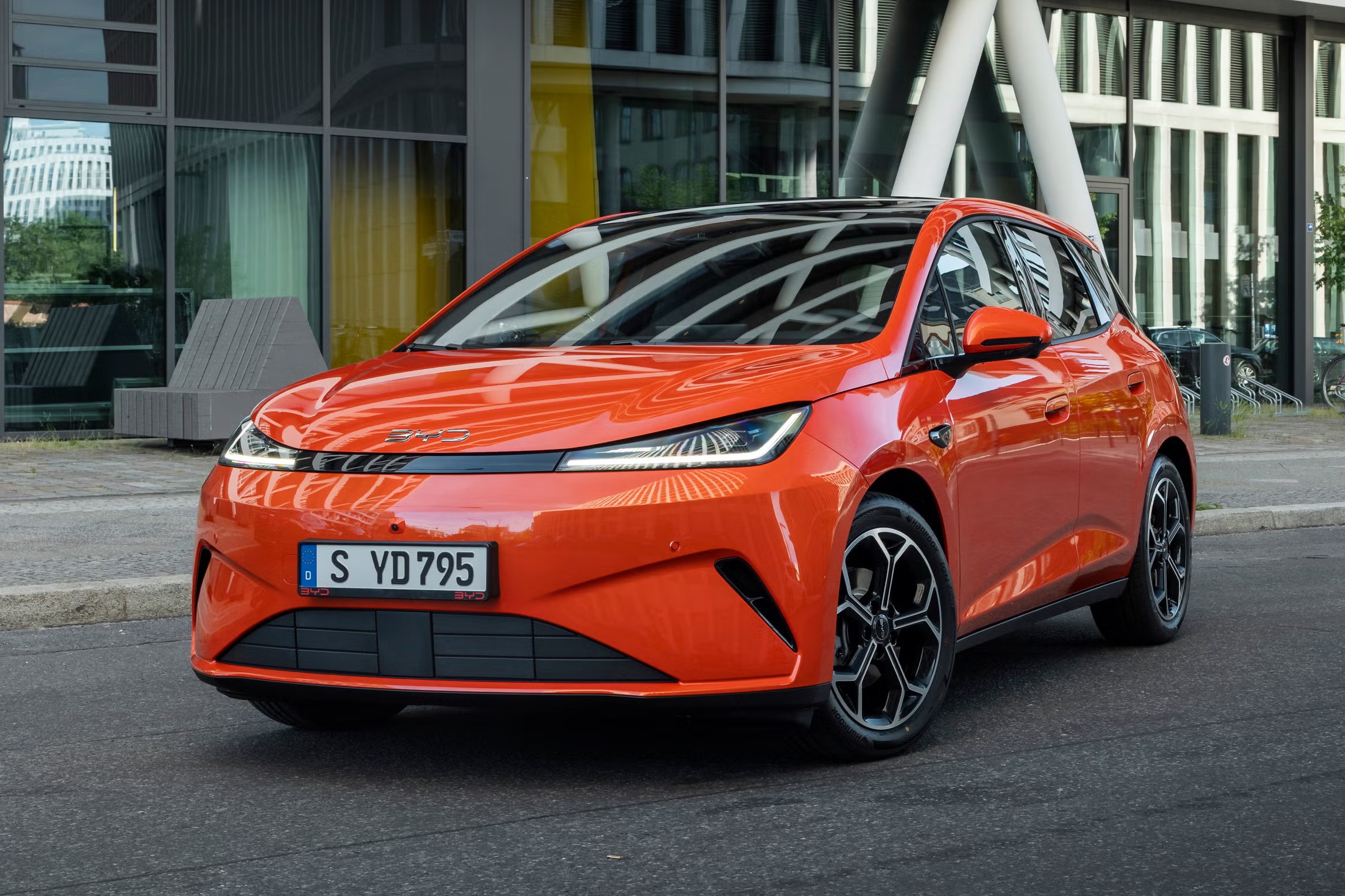
Chinese brands are also expanding their presence in Europe, focusing not only on large models but also moving into compact hatchbacks suitable for the mass market. BYD recently introduced the Dolphin G in Berlin.



Used electrified vehicles are also attracting interest from Europeans.
The supply of used electric vehicles is also increasing, while demand remains strong. Online marketplace OLX reported that the number of customers interested in Chinese car brands in France more than quadrupled in May 2026.

The supply of used electric vehicles is also increasing, while demand remains strong. Resale prices are also stable and no longer depreciate as much as before.
In Germany, the online marketplace Carwow reports that interest in electric vehicles, measured by the number of vehicle configurations viewed and the number of purchase requests, has stabilized at 70-75%, a significant increase from around 40% earlier this year.
Used electric vehicles are currently also available at relatively attractive prices. The sharp price reductions led by Tesla in 2023 significantly lowered the resale value of many EV models. However, used electric vehicle prices are gradually rising again as demand improves.
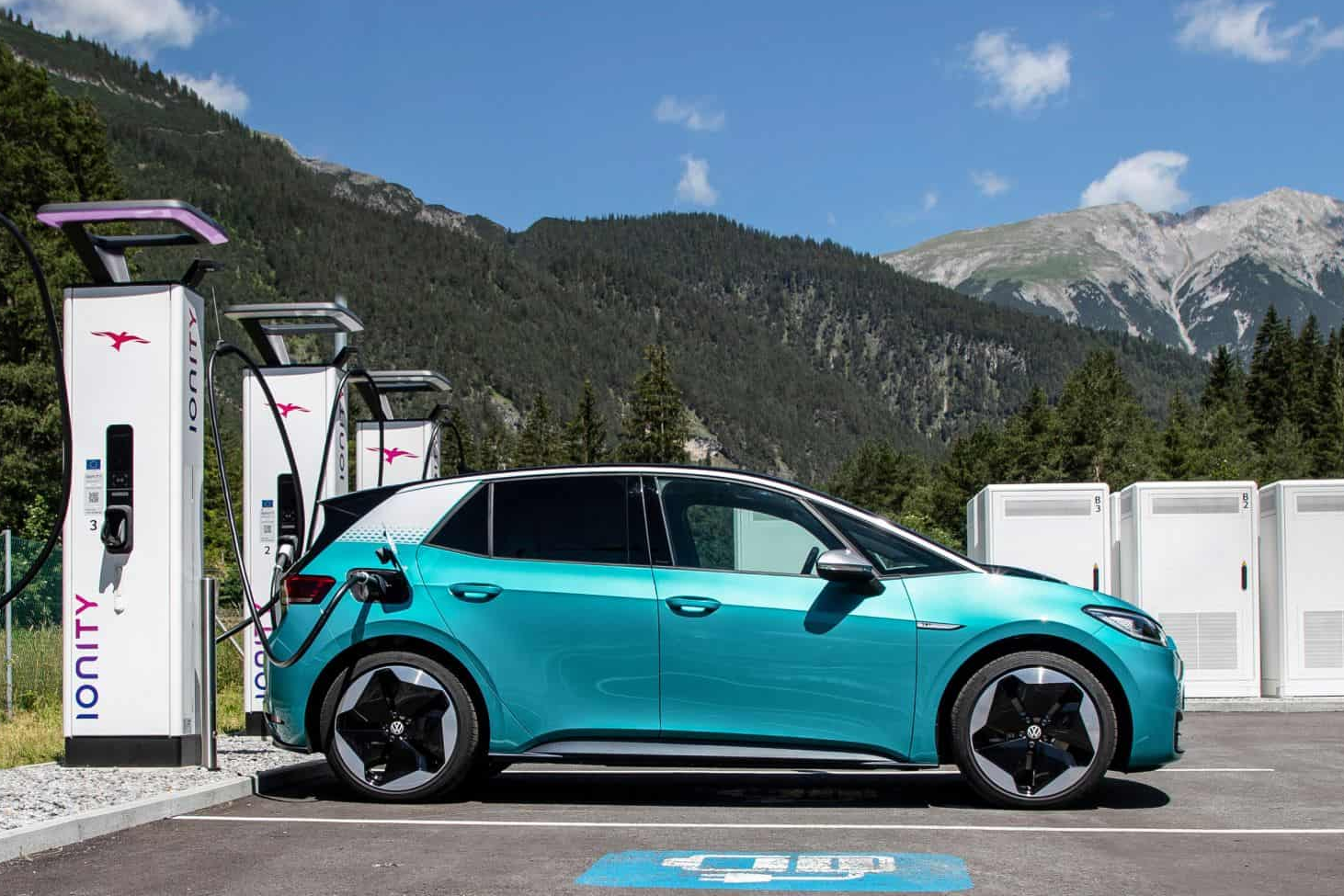
The combination of more attractive ownership costs, a wider selection of affordable vehicles, and increasingly sophisticated charging infrastructure could be the deciding factor in maintaining the long-term growth of the European electric vehicle market.
According to Cox Automotive, used electric vehicles are still cheaper than comparable internal combustion engine models. In the UK, EVs that are 2 to 4 years old are sold for around 33% of their original list price, while fossil fuel vehicles retain around 52% of their value.
Although high fuel prices are acting as a catalyst, the combination of more attractive ownership costs, a wider selection of affordable vehicles, and increasingly sophisticated charging infrastructure could be the deciding factor in sustaining the long-term growth of the European electric vehicle market.