



Eggs are a familiar and common food in Vietnamese family meals. However, not everyone knows how to prepare egg dishes to ensure their nutritional value.
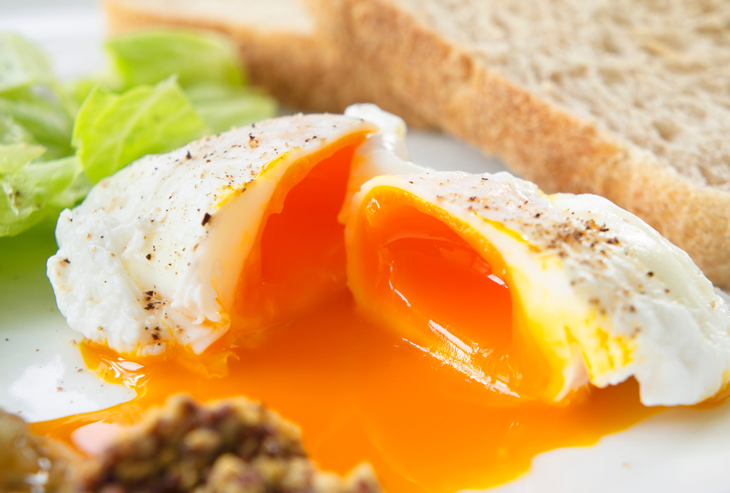
Eggs can be prepared in many different dishes - Illustration
How do you prepare eggs?
According to Dr. Nguyen Quoc Anh, Deputy Head of the Department of Food Microbiology & Molecular Biology - National Institute of Nutrition, the way an egg is prepared not only determines its flavor but also directly affects its nutritional value. Many people like to eat raw or lightly poached eggs, but this habit poses potential health risks.
The main reason lies in raw egg whites, which contain a protein called avidin. This substance binds very tightly to biotin (vitamin B7) – an important nutrient that helps maintain healthy skin and hair and supports the nervous system.
When raw eggs are eaten, avidin (which has a high affinity for biotin) will "trap" biotin from food as well as biotin produced by beneficial bacteria in the gut, preventing the body from absorbing it.
Therefore, egg whites should be heated to 75°C or higher (when the egg is thoroughly cooked), as this will completely break down the avidin structure. At this point, it no longer "holds" biotin and becomes an easily digestible and safe source of protein for the body.
When it comes to egg yolks, choosing between soft-boiled or fully cooked yolks is a nutritional and safety consideration. While soft-boiled yolks retain almost all heat-sensitive vitamins like vitamins A and E and carotenoid antioxidants, they carry the risk of salmonella contamination.
This bacterium can enter the yolk from the moment the egg forms inside the chicken's body, even if the eggshell is intact, or it can infect from outside the eggshell.
Although cooking may reduce the amount of carotenoids and vitamins in egg yolks by about 20%, thoroughly cooking the yolk increases the absorption of protein.
How to eat eggs in a healthy way?
The story isn't just about the egg itself, but also about the accompanying foods. The nutritional value of a meal doesn't lie solely in the egg but depends on how it's combined with other foods.
A breakfast consisting of deep-fried eggs with sausage and processed pâté, while familiar, contains excessive amounts of saturated fat, salt, and preservatives, easily harming cardiovascular health, and lacks fiber and essential vitamins.
Meanwhile, boiled or fried eggs with little oil, combined with green vegetables (tomatoes, lettuce) and whole-grain starches (sweet potatoes, whole-wheat bread), create a "synergistic effect": the fat in the yolk helps the body absorb fat-soluble vitamins (A, K) from vegetables effectively, while the fiber from vegetables and grains aids digestion and balances energy levels.
Therefore, eggs are a good food, but they must be considered as part of a balanced, varied, and healthy meal.
Eggs are a highly nutritious food, providing high-quality protein, choline, and many vitamins.
For healthy adults, one egg per day is a safe and beneficial amount, provided that consumption is part of a balanced diet, controls total fat intake, and is prepared healthily (such as boiled or steamed) instead of being eaten with foods high in saturated fat (such as sausages, butter, or pâté).
To ensure safety, the general recommendation is to cook both the egg whites and yolks thoroughly, especially for sensitive groups such as children, the elderly, pregnant women, and people with weakened immune systems.
For individuals with pre-existing risk factors such as diabetes, high cholesterol, or cardiovascular disease, caution is paramount. The recommendation for this group is to limit consumption to 2-3 fruits per week, and to consult a doctor or nutritionist for dietary management.