



Fruit is considered a healthy dessert, so many people have the habit of eating it after meals. However, some people worry that this habit will easily cause bloating and indigestion.
According to Master's degree holder and doctor Quách Thị Thu Hằng, lecturer at the Faculty of Traditional Medicine, University of Health Sciences , Vietnam National University Ho Chi Minh City, fruits are an important part of a balanced diet. They are low in calories and fat, and are a rich source of fiber, vitamins, and minerals. There isn't one absolute optimal time for everyone to eat fruit relative to meals; however, to achieve the best results and minimize unwanted side effects, the timing should be adjusted according to individual characteristics and the nature of the meal.
What is the best time to eat fruit?
After a high-protein, high-fat meal, a small portion of fruit can be added if you're not too full to support bowel movements and supplement fiber. Some studies show that meals high in saturated fat and sugar can temporarily increase oxidative stress and mild postprandial inflammation; meanwhile, polyphenol-rich foods like berries and citrus fruits can help mitigate these adverse responses. In fact, many people find that eating fruit after an unhealthy meal reduces bloating and nausea.
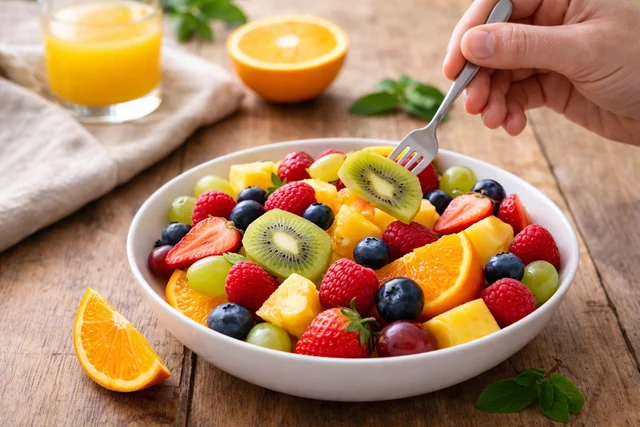
The best time to eat fruit depends on individual characteristics and health goals.
PHOTO: AI
However, if you are full or bloated, you should eat it about 30-60 minutes before or after a meal. Additionally, the vitamin C in fruits helps increase the absorption of non-heme iron from plants, so you can incorporate fruits like oranges, guavas, kiwis, and strawberries into meals that are sources of plant-based iron.
Numerous studies suggest that a high-fiber diet is associated with a lower risk of cardiovascular disease, stroke, diabetes, and colorectal cancer. Adding fiber-rich fruits to your diet also helps improve digestion and prevent constipation. However, some people may experience bloating from consuming too much fiber; those with digestive issues should eat fruit between meals. Fiber-rich fruits include raspberries, guava, avocado, pears, apples (eaten with the peel), oranges, bananas, and papayas.
"In particular, people with gastroesophageal reflux disease should limit eating sour fruits immediately after meals as it can cause heartburn. Additionally, some people sensitive to easily fermentable carbohydrates (FODMAPs such as lactose, fructose, fructans, and polyols) may experience bloating and gas when eating certain fruits like apples, pears, peaches, or drinking fruit juice; in this case, they should also eat fruit away from meals," explained Dr. Thu Hang.
It should be eaten before meals if you need to lose weight or control blood sugar.
If you need to lose weight or control blood sugar, you should eat fruit about 30 minutes before meals because the fiber in fruit helps slow the absorption of simple sugars (glucose, fructose, galactose), thereby reducing post-meal blood sugar.

Master's degree holder - Doctor Quách Thị Thu Hằng
PHOTO: TH
Some people may feel hungry faster when eating fruit between meals, so whole fruit may be a better satiety option and significantly reduce calorie intake compared to liquid or pureed fruit. The satiety-boosting effect of fruit is most noticeable for about 2 hours, then gradually diminishes from the 3rd hour onwards. Therefore, whole fruit and pre-meal options are preferable if the goal is to feel fuller for longer and control overeating at the next meal.
"There is no single optimal time to eat fruit (before, with, or after meals) that applies to everyone. The most important thing is the right amount, the right type, and the right time, tailored to each individual's characteristics and health goals; whole fruits are preferred for their delicious taste, improved digestion, and better metabolic control," advises Dr. Hang.