



Some herbal leaves in traditional medicine may help lower blood cholesterol due to their antioxidant and anti-inflammatory properties. However, their effectiveness should be properly assessed and they should not replace medical treatment.
1. High cholesterol and the risk to cardiovascular health.
High cholesterol is a common condition that occurs when cholesterol levels, particularly LDL-cholesterol ("bad" cholesterol), are elevated in the blood. Excess LDL can build up in the walls of blood vessels, forming plaques that narrow the vessels and obstruct blood flow. This condition is closely linked to serious cardiovascular events such as heart attacks and strokes. Therefore, lowering cholesterol plays a crucial role in preventing cardiovascular disease.
Besides prescribed medication, a healthy diet, and a reasonable lifestyle, certain herbal leaves used in traditional medicine (Indian Ayurveda) are believed to help control blood lipids due to their natural bioactive compounds.
2. Certain types of leaves help lower cholesterol.
2.1. Artichoke leaves: Artichoke leaves contain cynarin – a compound that can stimulate the liver to increase bile production. Bile plays a crucial role in the metabolism and elimination of cholesterol from the body. Some studies show that artichoke extract can help reduce LDL-cholesterol and total cholesterol, especially when combined with a diet low in saturated fat.
2.2. Betel leaves: Betel leaves contain compounds such as eugenol, carvacrol, and hydroxychavicol. These substances have anti-inflammatory and antioxidant properties, contributing to limiting the oxidation of LDL – a key factor in the formation of atherosclerotic plaques. However, their use should be cautious and not excessive.
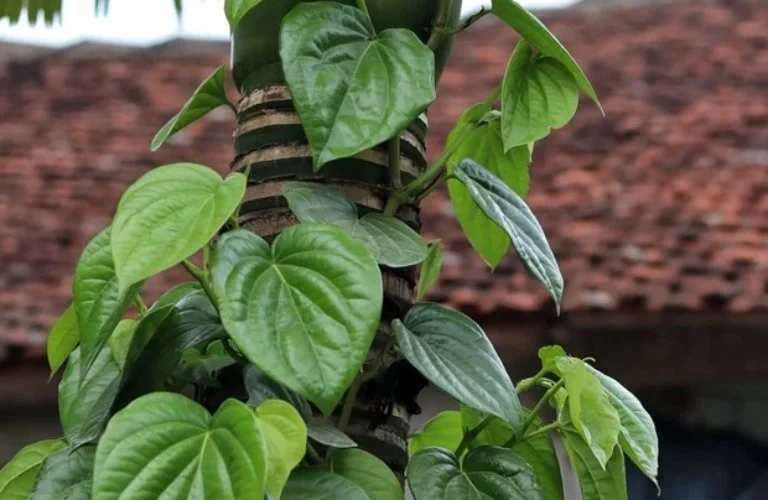
Betel leaves help lower cholesterol.
2.3. Curry leaves: Curry leaves are rich in antioxidants, which can help slow the oxidation of LDL cholesterol. When LDL is oxidized, the risk of plaque formation in arteries increases. Adding curry leaves to your diet may help protect blood vessel walls.
2.4. Tulsi: Tulsi contains eugenol and ursolic acid – compounds that may positively affect lipid metabolism. Some data suggests that tulsi may help reduce triglycerides and LDL-cholesterol to a certain extent when used regularly.
2.5. Moringa leaves: Moringa leaves provide many polyphenols and flavonoids – substances with strong antioxidant properties. These compounds help reduce oxidative stress, thereby limiting damage to the vascular endothelium. In addition, moringa can also help reduce cholesterol absorption in the intestines.
2.6. Neem leaves: In traditional Indian medicine, neem is used as a medicinal herb to "cleanse the blood." Some preliminary studies suggest that neem may affect lipid metabolism, contributing to cholesterol reduction. However, clinical evidence is limited and further research is needed.
2.7. Coriander leaves: Coriander leaves can stimulate bile production, helping to digest fats more effectively. When this process works well, the amount of cholesterol accumulated in the body can be reduced. In addition, coriander contains antioxidants that are beneficial for cardiovascular health.
2.8. Fenugreek (Methi): Fenugreek contains a lot of soluble fiber, which can help reduce cholesterol absorption in the intestines. This fiber binds to cholesterol and is eliminated through the digestive tract. Some studies show that fenugreek may help lower LDL and triglycerides if used correctly.
2.9. Green tea leaves: Green tea leaves contain catechins – a group of polyphenols with strong antioxidant properties. Catechins help reduce LDL oxidation, thereby limiting the formation of atherosclerotic plaques. Regularly drinking green tea in reasonable amounts can contribute to improved cardiovascular health.
2.10. Dandelion leaves: Dandelion leaves have a mild diuretic effect and support liver function. Some bioactive compounds in these leaves may affect lipid metabolism and help lower blood cholesterol.
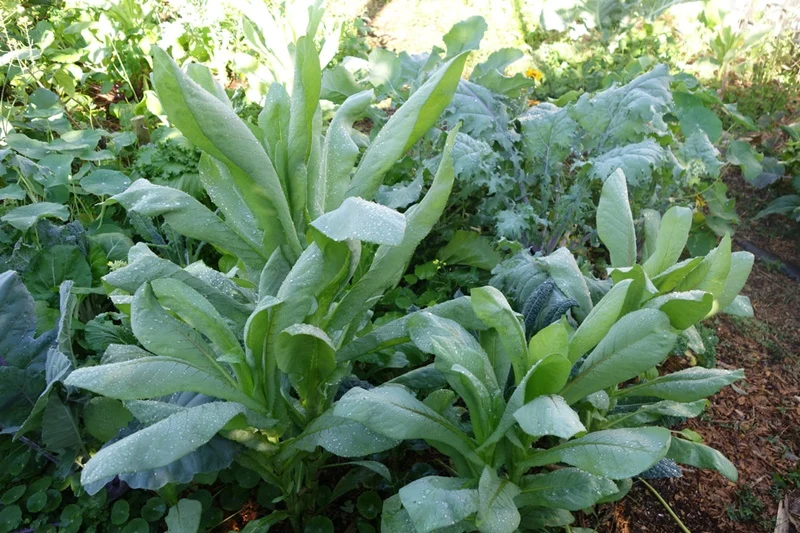
Dandelion leaves help lower blood cholesterol.
Although these herbs have the potential to help lower cholesterol due to their biological properties, it is important to emphasize that they are not a substitute for medication in cases of diagnosed hypercholesterolemia. Their effectiveness is generally supportive and cannot replace proven lipid-lowering drugs such as statins. Side effects can still occur if used improperly or in excessive doses.
According to recommendations from health organizations, cholesterol control should be based on fundamental factors including:
- A diet low in saturated fat.
- Increase your intake of green vegetables and fiber.
- Maintain a healthy weight.
- Exercise regularly
- Follow the prescribed medication regimen...
3. Notes on usage
People who want to add herbal leaves to their diet should:
- Consult your doctor, especially if you are taking lipid-lowering medication.
- Do not substitute medication with herbal remedies without consulting a doctor.
- It is preferable to use it in its food form, and concentrated extracts should not be overused.
Some herbal remedies in traditional medicine may help control cholesterol and protect arteries due to their antioxidant and anti-inflammatory properties. However, their effectiveness should be properly assessed and combined with a healthy lifestyle and standard medical treatment for long-term results.
Please note that this article provides information for reference only and does not replace medical advice in specific cases.
Please watch the video for more information: