



Beetroot juice combined with chia seeds is a nutritious drink that provides antioxidants and supports cardiovascular and digestive health.
In the trend of choosing natural nutritional solutions to improve health, beetroot juice combined with chia seeds is gaining increasing attention. It's not only a colorful and easy-to-drink beverage, but it also contains many nutrients beneficial for cardiovascular health, digestion, and metabolism.
- 1. Health benefits of drinking beetroot juice with chia seeds
- 2. Who should not drink beetroot and chia seed juice?
- 3. Important notes when drinking beetroot and chia seed juice
Beetroot and chia seeds are both plant-based foods rich in micronutrients, antioxidants, and fiber. When combined correctly, these two ingredients create a drink that can support overall health, from providing energy and maintaining hydration to aiding in blood sugar and weight management.
1. Health benefits of drinking beetroot juice with chia seeds
Beetroot juice combined with chia seeds is a plant-based drink, rich in nutrients, and its benefits for overall health have been documented in numerous scientific studies.
Beetroot juice is a source of essential minerals such as potassium, magnesium, and phosphorus, which are crucial for the functioning of the cardiovascular system, nervous system, and muscles. Diets rich in potassium are associated with a reduced risk of hypertension and cardiovascular disease.
Chia seeds are considered a natural "nutritional powerhouse," rich in fiber, plant-based protein, vitamins, minerals, and omega-3 fatty acids. Omega-3s play a role in fighting inflammation and supporting cardiovascular health, while fiber helps improve digestion and manage weight.
This combination also enhances antioxidant capacity. Beetroot juice contains betalain – a plant pigment with strong antioxidant activity, helping to reduce oxidative stress and inflammatory responses. Chia seeds provide flavonoids such as quercetin and kaempferol, which are known for their anti-inflammatory and antioxidant properties. These substances contribute to protecting cells from the effects of free radicals – factors linked to many chronic diseases.
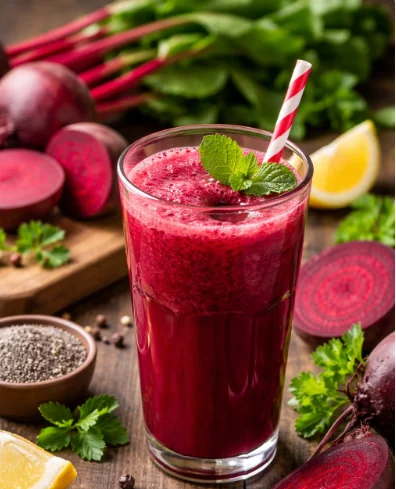
Beetroot juice combined with chia seeds is a nutritious drink that provides antioxidants and supports cardiovascular health, digestion, and weight management.
In terms of cardiovascular health, beetroot juice stands out due to its natural nitrate content. Once in the body, nitrates are converted into nitric oxide, which helps dilate blood vessels, improve blood circulation, and support blood pressure control.
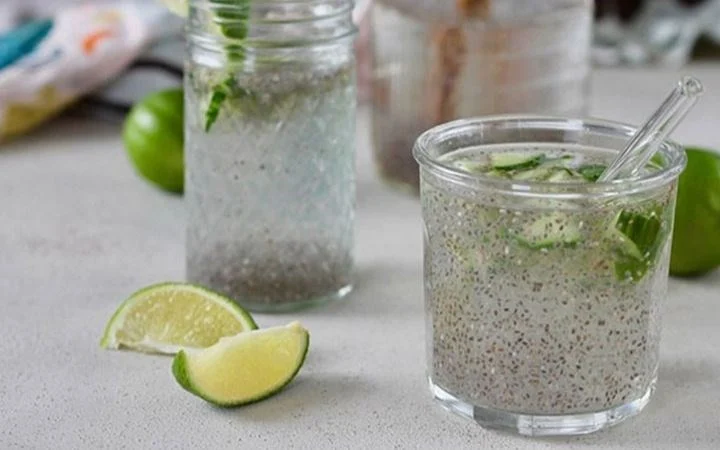
Additionally, beetroot juice with chia seeds helps rehydrate the body. Chia seeds can absorb approximately 10-12 times their weight in water, creating a gel-like structure that helps maintain moisture and prevent water loss, especially in hot weather.
In terms of digestion and metabolism, fiber from both ingredients helps maintain regular bowel movements, reducing constipation and bloating. Chia seeds, thanks to their soluble fiber, also help slow down the absorption of carbohydrates, contributing to stable blood sugar levels after meals. Beetroot has a naturally low glycemic index, making it suitable for people who need to control their blood sugar.
Thanks to its low calorie content but high fiber and protein, this drink can support feelings of fullness, thereby contributing to weight management and control when used as part of a balanced diet.
2. Who should not drink beetroot and chia seed juice?
Despite its many benefits, beetroot juice with chia seeds is not suitable for everyone to consume daily, specifically:
- People with low blood pressure should be cautious, as the nitrates in beets can further lower blood pressure, causing dizziness or lightheadedness.
- People with chronic kidney disease or those at risk of hyperkalemia should also limit their consumption of beets, as they contain relatively high levels of potassium. The WHO recommends that this group carefully control their potassium intake.
- People with a history of kidney stones, especially oxalate stones, should be aware that beets contain oxalates – compounds that may increase the risk of stone formation in sensitive individuals.
- People with sensitive digestive systems, irritable bowel syndrome, or a history of esophageal obstruction should exercise caution with chia seeds. Eating chia seeds dry or without soaking them sufficiently can cause difficulty swallowing, bloating, or gastrointestinal discomfort.
- Pregnant women and individuals taking blood pressure medication or blood sugar-regulating medication should consult a healthcare professional before regular use.
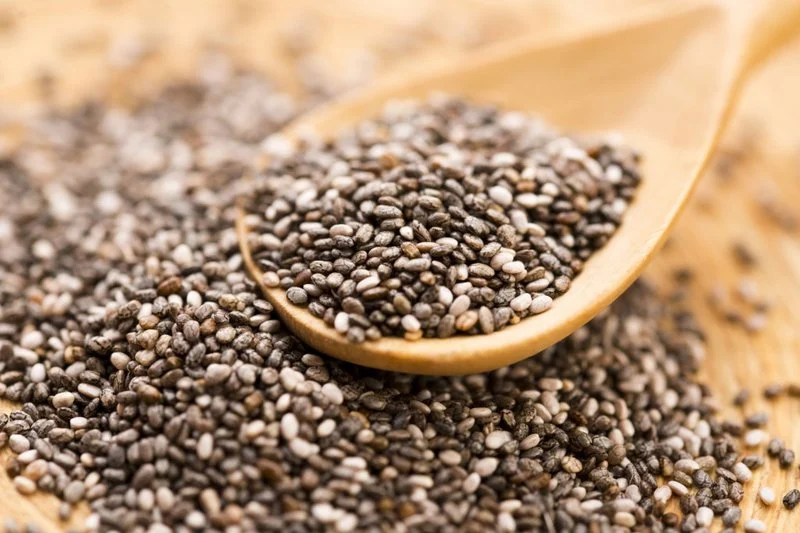
Chia seeds are rich in fiber, plant protein, vitamins, minerals, and omega-3 fatty acids.
3. Important notes when drinking beetroot and chia seed juice
To use beetroot juice with chia seeds safely and effectively, please note the following points:
- Always soak chia seeds in liquid for at least 10-15 minutes before consuming them. This allows the seeds to fully swell, reducing the risk of bloating, indigestion, or choking.
- It should not be consumed in excessively large amounts over a short period. Both the WHO and CDC emphasize that healthy foods only provide benefits when consumed in moderation and in a balanced way within an overall diet.
- Some people may experience pink/red urine or stool after drinking beetroot juice. This is harmless and not a sign of illness.
- Fresh beetroot juice, without added sugar, should be prioritized and combined with a varied diet rich in fruits and vegetables. This drink is not a substitute for medication or medical interventions when necessary.
This article is for informational purposes only and does not replace medical advice.
See more trending articles: