



Insomnia or prolonged poor sleep quality can affect memory, cardiovascular health, and mental well-being. Certain herbs and natural ingredients can help improve sleep if used correctly and under professional guidance.
Sleep plays a crucial role in restoring health and improving the body's performance. However, insomnia is becoming increasingly common, affecting mood and immune function.
- 1. The role of sleep in health
- 2. Certain herbs and natural ingredients support sleep.
- 2.1. Melatonin for treating insomnia
- 2.2. Sour cherry extract
- 2.3. Magnesium helps treat insomnia.
- 2.4. Chamomile
- 2.5. 5-HTP
- 2.6. Lavender
- 2.7. Valerian root
- 3. Things to note before using natural remedies for insomnia.
- 4. When should you see a doctor for insomnia?
1. The role of sleep in health
Sleep is a physiological process that helps the body recover, regenerate energy, and regulate many important functions. When you get enough sleep and sleep soundly, your brain processes information better, your immune system works more effectively, and your body has time to repair damage.
However, many people today experience difficulty falling asleep, shallow sleep, or frequent awakenings during the night. Prolonged sleep deprivation can increase the risk of anxiety disorders, depression, reduced concentration, impaired memory, and increased risk of cardiovascular disease.
In addition to lifestyle adjustments such as limiting caffeine, reducing screen time before bed, and maintaining a consistent sleep schedule, several natural sleep aids can help improve sleep quality.
2. Certain herbs and natural ingredients support sleep.
Below are some nutrients and herbs that are commonly studied for their potential to support sleep.
2.1. Melatonin treats insomnia.
Melatonin is a hormone naturally produced by the pineal gland in the brain, playing a role in regulating the circadian rhythm and sleep-wake cycle. When it gets dark, melatonin levels increase, helping the body feel sleepy. Some studies suggest that melatonin supplementation may help shorten the time it takes to fall asleep and improve sleep quality in some cases.
Melatonin is commonly used for conditions such as:
- Disruption of circadian rhythms.
- Jet lag.
- Sleep disorders caused by shift work...
However, melatonin is not suitable for everyone. It should be used in the correct dosage and in consultation with a doctor.
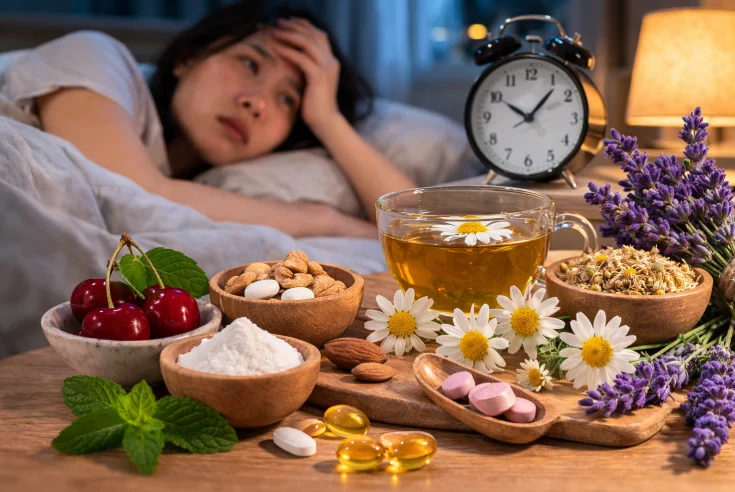
Several nutrients and herbs are often studied for their potential to support sleep and promote better sleep quality.
2.2. Sour cherry extract
Tart cherries are one of the natural foods that contain melatonin. Juice or extracts from this fruit have been studied for their potential to support sleep. Some studies suggest that consuming tart cherry juice may:
- Increase your sleep duration.
- Improve sleep quality.
- Shorten the time it takes to fall asleep...
In addition, this fruit contains many antioxidants and compounds that can reduce inflammation, contributing to overall health.
2. 3. Magnesium helps treat insomnia.
Magnesium is an important mineral involved in over 300 biochemical reactions in the body. This mineral plays a role in regulating the nervous system, supporting muscle relaxation, and stabilizing brain function. Some studies suggest that magnesium supplementation may help improve sleep quality, especially in older adults or those deficient in this mineral.
Magnesium can be obtained from foods such as:
- Dark green leafy vegetables.
- Whole grains.
- Nuts.
- Beans and lentils...
Getting magnesium from food sources is generally recommended before considering the use of dietary supplements to help treat insomnia.
2. 4. Chamomile

Chamomile is an herb that has long been used in traditional medicine to promote relaxation and help treat insomnia. This herb is often used in the form of herbal tea. Some studies suggest that chamomile may help:
- Mild anxiety reduction.
- Improve your sleep.
- Reduce the number of times you wake up during the night...
This effect is thought to be related to the flavonoid compounds in chrysanthemums, which have a mild effect on the central nervous system.
2.5.5-HTP
5-hydroxytryptophan (5-HTP) is a compound produced by the body from the amino acid tryptophan. It is an important precursor for the production of serotonin – a neurotransmitter involved in mood and sleep. Serotonin can then be converted into melatonin, a hormone that helps regulate the sleep cycle. Some studies suggest that 5-HTP supplementation may improve subjective sleep quality in older adults, particularly those with low serotonin levels.
However, 5-HTP may interact with some antidepressant medications, so caution is needed when using it.
2. 6. Lavender

Lavender is known for its calming properties and is often used in aromatherapy. The scent of lavender essential oil can help:
- Reduce stress.
- Relax your nervous system.
- Improve sleep quality...
Some studies suggest that using lavender before bed may help reduce symptoms of sleep disorders, especially in older adults. Lavender can be used in the form of tea, essential oil, or sachets placed in the bedroom.
2.7. Valerian root
Valerian root is an herb that has been used for thousands of years to promote relaxation and improve sleep. Studies show that extracts from valerian root may help:
- Increase your sleep time.
- Improve sleep quality.
- Reduces mild anxiety...
However, some people may experience drowsiness the day after using this herbal remedy.
3. Things to note before using natural remedies for insomnia.
Despite being marketed as "natural," herbal remedies and sleep supplements can still cause side effects or interact with medications.
Some possible side effects include:
- Daytime sleepiness.
- Dizzy.
- Nausea....
Furthermore, many dietary supplements are not strictly regulated in terms of ingredients and dosage, so product quality can vary. Therefore, people should consult a doctor or healthcare professional before use, especially in the following cases: those currently taking medication for an illness, pregnant or breastfeeding women, and people with chronic diseases.
4. When should you see a doctor for insomnia?
If sleep difficulties occur three or more nights a week or last for several weeks, patients should seek medical advice. Doctors can assess the cause and provide appropriate treatment. In many cases, non-pharmacological measures such as cognitive-behavioral therapy for insomnia (CBT-I), lifestyle adjustments, and sleep hygiene can be effective.
Adequate and quality sleep is crucial for both physical and mental health. The choice of sleep aids should be based on scientific principles and should be guided by a healthcare professional.
Readers are invited to read more: