


Your kidneys work harder than you might think. 24/7, these bean-shaped organs filter waste, balance fluids, and help regulate blood pressure. They also filter about half a cup of blood every minute, while helping maintain healthy electrolyte levels and supporting bone and red blood cell health.
Therefore, keeping your kidneys healthy and functioning at their best is crucial, especially since chronic kidney disease (CKD) affects approximately 35.5 million adults in the U.S. Additionally, high blood pressure and diabetes remain leading causes of kidney disease. That's why dietary habits can have a significant impact on your kidney health.
The good news is, eating plenty of nutrient-rich, primarily plant-based foods can help keep your kidneys healthier. “People with CKD need to be extra careful to protect their kidneys and overall health, and focusing on a plant-based diet is a great starting point,” says U.S.-based nutritionist Tiffany Bruno.
Here are five types of vegetables that nutrition experts recommend eating more of to improve kidney health.
1. Beetroot
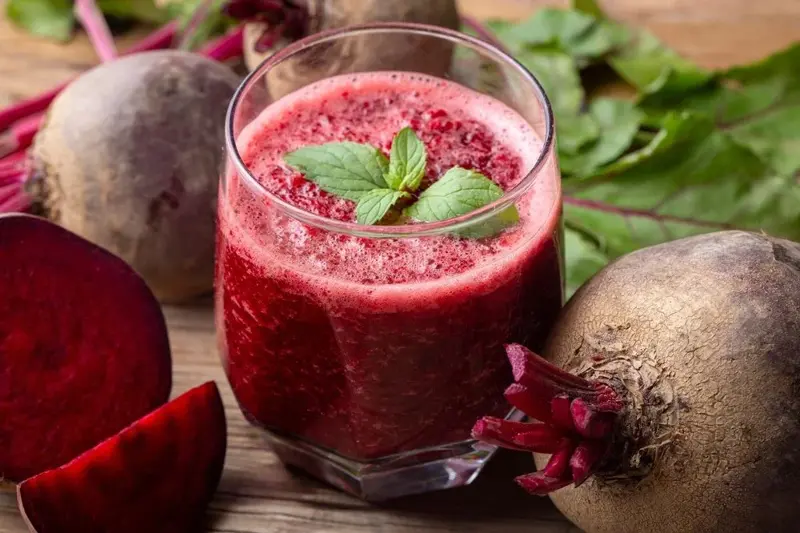
Beetroot is packed with nutrients that can help support kidney health, particularly in controlling blood pressure and reducing inflammation. “Beetroot is rich in dietary nitrates, which are converted into nitric oxide and promote vasodilation, thus lowering blood pressure,” Bruno explains.
Beetroot is rich in betalains – a group of antioxidant compounds that help reduce oxidative stress and chronic inflammation, factors that contribute to kidney damage and the progression of chronic kidney disease. Therefore, it is considered a food beneficial for kidney health.
2. Cruciferous vegetables
Cruciferous vegetables like broccoli, cauliflower, and cabbage are among the best vegetables to support kidney health. These vegetables are rich in compounds called glucosinolates and sulforaphane, which may help reduce inflammation and oxidative stress.
"In particular, cauliflower is considered a good food for the kidneys because it has a lower potassium content than many other vegetables, while still providing beneficial fiber, vitamin C, and folate," Bruno explained.
You can roast broccoli or cauliflower with olive oil, add frozen pureed cauliflower to smoothies, or use pureed cauliflower instead of mashed potatoes in your daily meals.
3. Red bell peppers
“Red bell peppers are an excellent source of vitamin C and vitamin A, with relatively low potassium and very low phosphorus,” Bruno said, adding, “They are rich in the antioxidants lycopene and beta-carotene, which help reduce oxidative stress, a major factor in the progression of chronic kidney disease.”
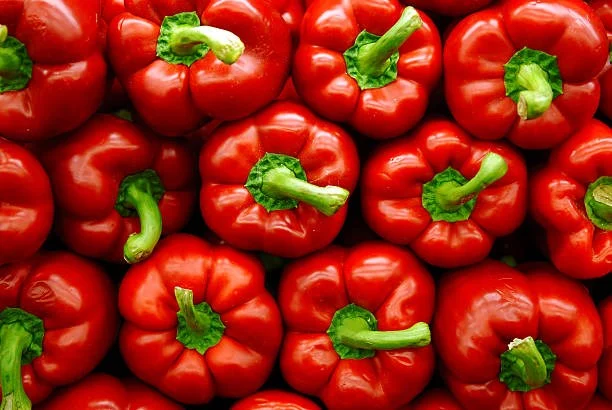
Oxidative stress can damage kidney tissue, which is why antioxidant-rich vegetables can help improve long-term kidney function. Additionally, red bell peppers add flavor, crunch, and color to meals without the need for high-sodium sauces or seasonings.
Slice red bell peppers thinly and add them to salads, grill them with other vegetables, or dip them in hummus for a simple, kidney-friendly snack.
4. Garlic and onions
"Garlic and onions are a great way to flavor food without salt, making you look forward to the meal more," Bruno explains. They are rich in organosulfur compounds, which have anti-inflammatory and antioxidant properties.
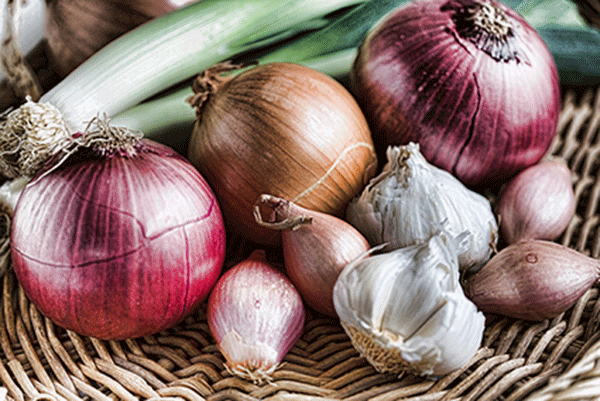
Choosing flavored salt substitutes like garlic and onion can be beneficial for kidney health, as high sodium intake helps raise blood pressure and puts extra strain on the kidneys.
Garlic and onions are incredibly versatile and easily incorporated into everyday meals. You can use them as a base for soups, stir-fries, roasted vegetables, sauces, and marinades.
5. Mung beans
Green beans are a good choice for kidney health because they are low in potassium and water. They also provide fiber, which is difficult to get enough of when monitoring specific vegetable intakes.
For people with chronic kidney disease, monitoring potassium intake is crucial, as your kidneys may have difficulty effectively removing excess potassium from your body.
(Source: Eating Well)