



The global tourism industry is entering a new phase, where personalized experiences and technology are driving all trends.
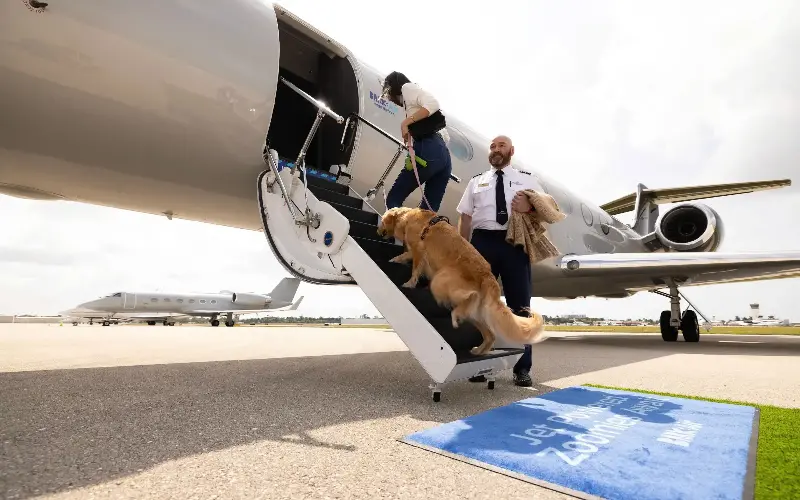
6 trends shaping global travel in 2026. Photo: BarkAir
The global tourism industry is entering a period of significant transformation as travelers' needs are no longer solely focused on the question of "where to go," but increasingly on "how to go" and "what to do while traveling."
According to the Travel Trends 2026 report, a collaboration between Amadeus and Globetrender, this shift reflects a clear trend: modern travelers value immersive experiences, emotional value, and the ability to personalize their journeys.
The report identifies six major trends projected to shape the global travel industry in 2026, ranging from traveling with pets and applying artificial intelligence to trip planning to the explosion of cultural tourism and high-tech experiences.
Pets become "special passengers"

Traveling with pets. Photo: Shutterstock
Traveling with pets is rapidly becoming a prominent trend in the global travel industry. The report shows that 56% of survey participants currently own pets, with 27% planning to travel with their pets for the first time in 2025.
This demand is driving the emergence of specialized airline services specifically for pets, such as BarkAir and SkyePets, which allow pets to accompany their owners in the passenger cabin instead of being transported separately.
In addition, AI-powered wearable devices capable of remotely tracking the health and location of pets are becoming invaluable assistants for owners, giving them greater peace of mind throughout their journeys.
Travel planning in the AI era

Plan your trip using AI. Photo: Amadeus
Artificial intelligence technology is profoundly changing how travelers prepare for trips. Instead of relying on a single source of information, many people now use AI to find initial ideas, then cross-reference and verify them across social media platforms, videos , or travel forums.
According to Amadeus, approximately 18% of travelers now use AI to plan their trips, while 36% use AI as a tool to discover new destinations.
This shows that the travel planning process is becoming increasingly multi-channel and highly personalized, where technology acts as an intelligent "travel assistant" to suggest itineraries, hotel choices, or experiences tailored to each individual.
More direct flights: the world is getting closer.
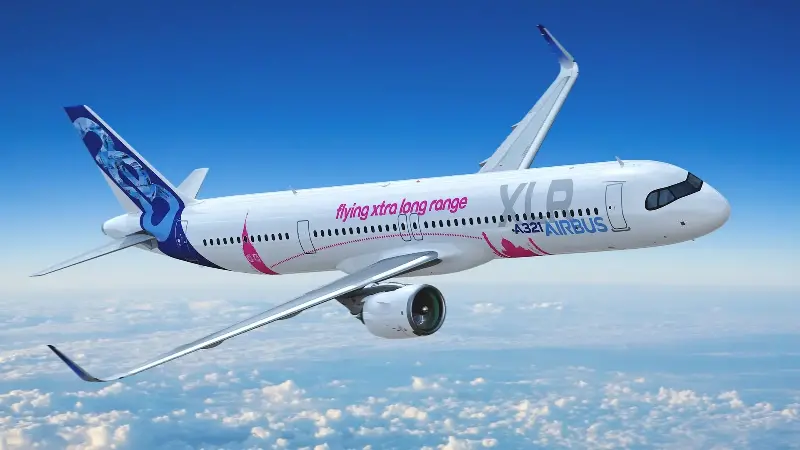
More direct flights. Photo: Airbus
The emergence of long-range narrow-body aircraft like the Airbus A321XLR is ushering in a new era for the aviation industry. These aircraft allow airlines to operate direct flights between cities that previously required a layover.
This trend helps shorten travel times, enabling many emerging destinations to join the global tourism network.
Simultaneously, modern airports are being redefined as experiential spaces rather than just transit hubs. In Vietnam, Long Thanh International Airport, scheduled to begin operations in 2026, is expected to become a new regional aviation center with a design inspired by the lotus flower.
Travel following the trail of popular culture

Tourists experience wearing hanbok while visiting a palace in South Korea. Photo: Goodmate Travel
Movies, music, and television are driving a wave of culturally-driven travel globally. Fans are increasingly seeking to experience firsthand the locations featured in films, television shows, or music videos.
In Seoul, the number of international visitors has surged thanks to the K-pop wave and other Korean entertainment products. The K-pop series Demon Hunters on Netflix, which has garnered over 300 million views, has further encouraged tourists to visit the South Korean capital to wear hanbok, attend K-pop dance classes, or explore the locations featured in the series.
Meanwhile, the Canadian province of Alberta is benefiting from the popularity of the hit series The Last of Us on HBO Max. According to Amadeus, international bookings to Alberta in the first half of 2026 increased by 20%, with the European market alone seeing a 47% increase.
Personalized hotels: "Stay your way"

Personalized hotels: "Stay your way"
In the accommodation sector, the Pick 'n' Stays trend (often called Staycation - a form of vacation where you stay at or near your place of residence, instead of traveling far) is becoming increasingly popular as travelers want to choose in-room amenities according to their personal needs.
Guests can book rooms with amenities such as fitness equipment, professional workspaces, wellness minibars, or premium entertainment systems. According to surveys, approximately 63% of travelers are willing to pay extra for a personalized stay experience.
This trend is having a strong impact on the regional hospitality industry. Therefore, hotels should focus on developing unique services and distinctive experiences instead of competing by lowering prices.
High-tech tourism: touching the future

Travel experiences enhanced by technology. Photo: The Travel Magazine
Another emerging trend is Innovation Tourism – tourism focused on exploring technology. Instead of just visiting scenic spots, many tourists want to visit innovation centers where they can experience service robots, interactive sensory spaces, or advanced AI applications.
For this group of travelers, the passport stamp is no longer the most important thing. The greatest value of the trip lies in the story of "touching the future" before the rest of the world.
Destinations that are quick to embrace innovative travel trends are expected to attract young, tech-savvy travelers who are always seeking new experiences.
Overall, these six trends show that the global tourism industry is shifting from a "destination sightseeing" model to a more personalized and emotionally enriching experience. Technology, popular culture, and the need for self-affirmation are all shaping how people explore the world in the coming years.