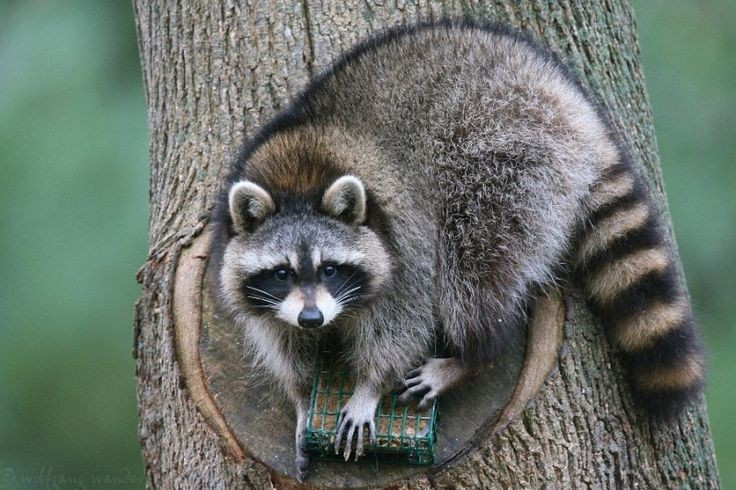
North American raccoons: Intelligent animals that adapt to diverse environments.
Vietnam.vn EN
18/01/2026 01:51:00
North American raccoons possess superior intelligence, remarkable adaptability, and unique habits, making a strong impression in both the wild and urban environments.
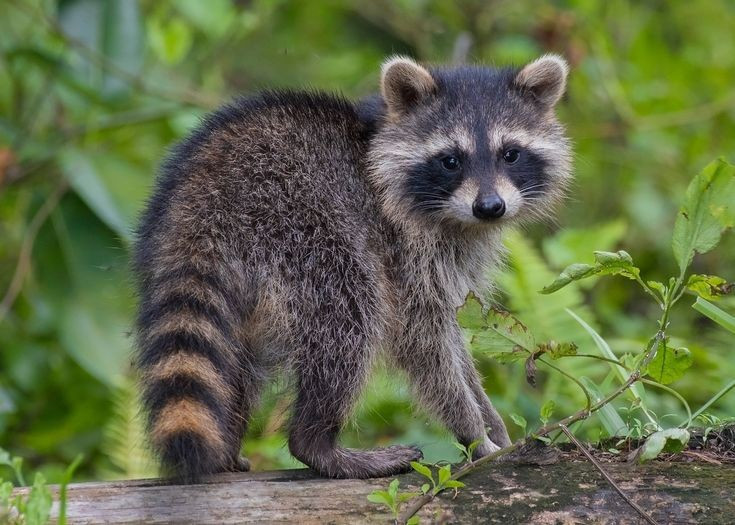
Neither a bear nor a cat. The North American raccoon belongs to the Procyonidae family, closer to ferrets than bears or cats. The name "raccoon" comes solely from its appearance and lifestyle. Photo: Pinterest.
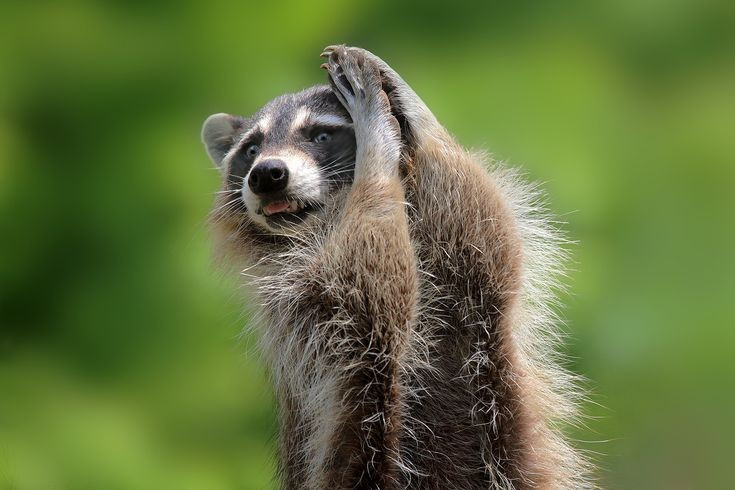
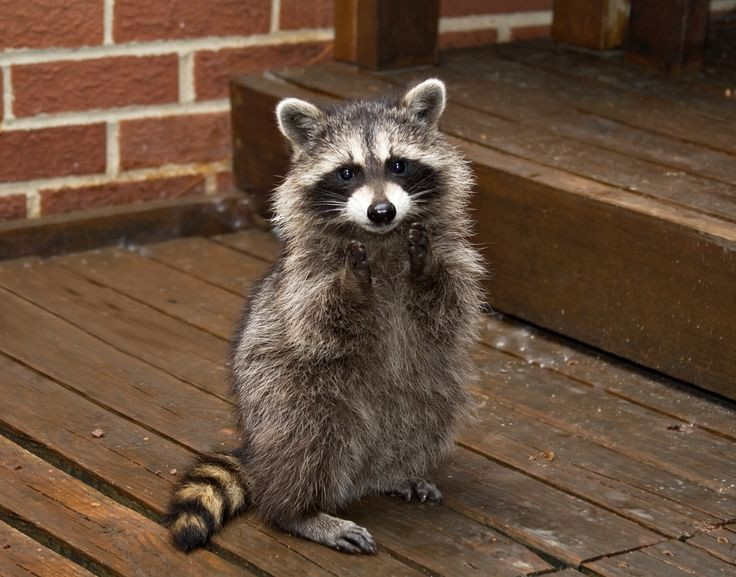
Their "hands" are incredibly dexterous. Raccoons possess flexible forelimbs like human hands, allowing them to open lids, turn latches, and manipulate complex objects—a rare advantage in wild animals. Photo: Pinterest.
Their intelligence surpasses that of many other animal species. Research shows that Procyon lotor possesses superior long-term memory and complex problem-solving abilities, even outperforming some primates in cognitive tests. Photo: Pinterest.
The habit of "washing" food is misleading. Raccoons often dip their food in water, not to clean it, but to enhance the tactile sensation in their paws, helping them to better identify food. Photo: Pinterest.
Raccoons possess a remarkably versatile omnivorous diet. Eating everything from fruits, nuts, and insects to fish, frogs, and even urban waste, this adaptability allows them to thrive in a wide variety of environments. Photo: Pinterest.
Being nocturnal with well-developed senses, raccoons are primarily nocturnal, possessing eyesight adapted to low light and sensitive hearing, which aids in foraging in the dark. Photo: Pinterest.
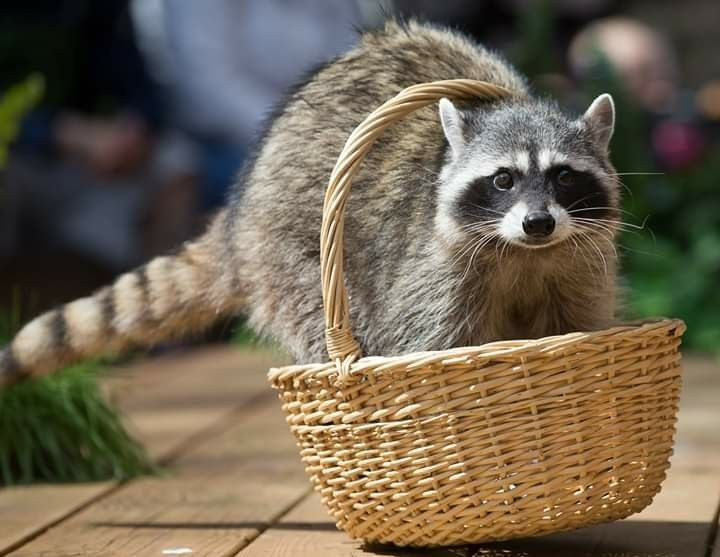
Easily adaptable to urban environments, Procyon lotors are common in North American cities, utilizing trash cans, attics, and sewers as shelters, sometimes causing inconvenience to residents. Photo: Pinterest.
Their ecological role is important but controversial. In the wild, raccoons help control insect and small animal populations, but in urban areas, they sometimes become invasive species that affect local ecosystems. Photo: Pinterest.
The article continues below the video.
Recommended video
We invite our readers to watch
the video : Living with Wolves / VTV2
This article is provided by Vietnam.vn EN, authorized for use, and represents solely the author’s personal opinions. Please contact us in the event of any potential infringement.