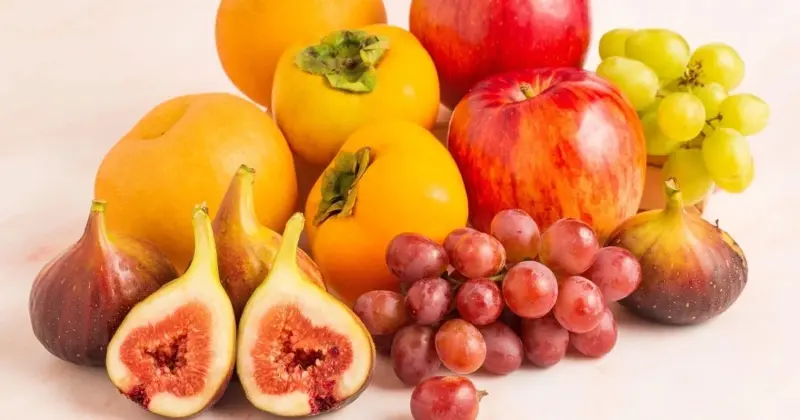
5 types of fruit you should eat every day
According to CNBC Make It , Japanese nutritionist and longevity expert Michiko Tomioka argues that fruit is one of the most powerful tools we have to support health and longevity. Plus, it tastes appealing.
Born and raised in Nara, Japan , her approach focuses on a plant-based diet.
Here are five fruits she always keeps in her kitchen for a long and healthy life.
Apple
Apples are rich in vitamin C, fiber, potassium, and polyphenols. They also contain prebiotics, which help nourish beneficial gut bacteria (closely linked to brain function and immunity). Apples are even known to have anti-cancer properties.
Daily consumption of this fruit has been shown to lower blood pressure, unhealthy LDL cholesterol, and inflammation while increasing good HDL cholesterol and supporting healthy endothelial function (an indicator of the efficient functioning of the blood vessel lining).
You can eat the peel as well to get the maximum amount of fiber.

Apples offer many health benefits (Photo: Tú Anh).
Citrus fruits
From tangerines and oranges to lemons and grapefruits, citrus fruits are rich in vitamins C, A, and folate, as well as potassium and fiber.
They also contain many flavonoids and carotenoids, antioxidants that protect cells and support the immune system. Vitamin C also enhances the absorption of iron from plant-based foods, which is especially important in vegetarian diets.
You should eat the whole fruit, not just the juice. Orange juice lacks fiber and can raise blood sugar levels. Most people discard the peel, but it actually contains a lot of folate, riboflavin, thiamine, and calcium.
Berries
These include strawberries, blueberries, raspberries, cranberries… Berries are all low in calories but packed with vitamins, fiber, and powerful antioxidants like anthocyanins.

Berries are rich in fiber and antioxidants (Photo: Tú Anh).
According to Today , anthocyanin compounds in blueberries are antioxidants that offer numerous health benefits. Several studies suggest that blueberries have anti-aging effects, may reduce the risk of heart disease and type 2 diabetes, and may improve cognitive performance.
Blueberries can also help maintain a healthy weight. Meanwhile, goji berries are rich in beta-carotene, which supports eye health.
One cup of raspberries provides 8g of the recommended daily fiber intake of 25-38g. It also provides important nutrients like magnesium, potassium, and vitamin C. They are also rich in ellagic acid and quercetin, antioxidants that protect cells from disease-causing damage.
Frozen organic berries are perfect for smoothies, while dried goji berries make a delicious snack or topping.
Peach
Persimmons are rich in vitamins A and C, fiber (both soluble and insoluble), potassium, and polyphenols such as tannins and flavonoids. Studies have shown that they help control cholesterol and blood pressure, and improve eye and skin health.
There are two main types:
- Crunchy persimmon (Fuyu): Can be eaten when still firm, sweet taste.
- Soft persimmons (Hachiya): Must be ripe and soft to eat, or dried.
Besides eating dried persimmons, Michiko Tomioka also enjoys drinking persimmon leaf tea, a type of tea known for its anti-inflammatory properties and rich flavor.
Fig
In Japanese, figs are called "ichijiku," which means "fruit without flowers." In reality, the fig's flower blooms inside the fruit.
Figs are rich in fiber, vitamins, minerals, and phytoestrogens that support women's health. They also contain ficin, an enzyme that aids in protein digestion, making figs a perfect post-meal snack. Other health benefits include cholesterol control and reduced inflammation.
Michiko Tomioka uses both fresh and dried figs in salads, soups, desserts, and jams. Their sweetness pairs wonderfully with matcha or dark chocolate.
5 tips for eating fruit
- Take advantage of seasonal diversity
According to Michiko Tomioka, different fruits provide different nutrients. Try to eat seasonal, locally grown produce whenever possible. It's fresher and tastier.
- Eat whole fruits, choosing organic varieties whenever possible.
Whole fruits contain peel, pulp, and fiber, all of which are important for slowing down sugar absorption and aiding digestion. Choose organic produce whenever possible, especially fruits you eat with the peel.
Mindful eating
Slow down and savor your fruit. Michiko Tomioka chews each piece of apple at least 20 times. This aids digestion and provides a feeling of satisfaction.
- Set an example
Encourage children to love fruit not because it's healthy, but because it tastes good. Make it a fun and regular part of their meals.
Don't be afraid of the natural sugar content in fruit.
Unlike refined sugar, whole fruits are rich in fiber, vitamins, and antioxidants.