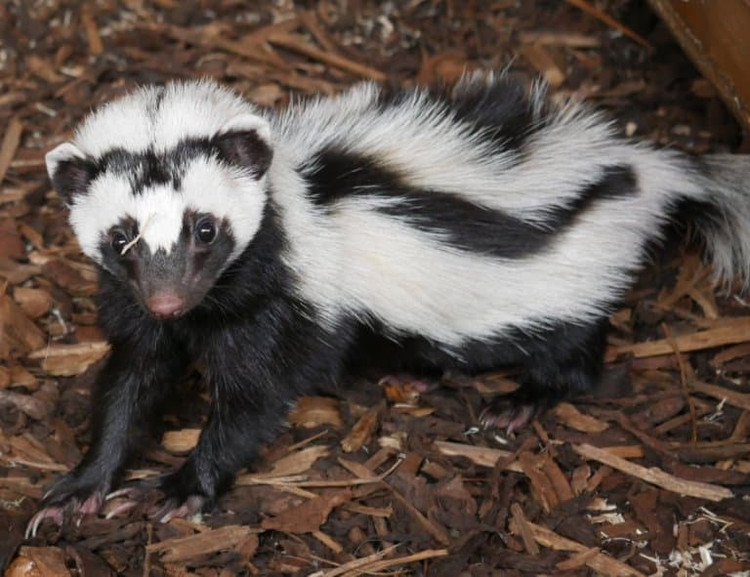
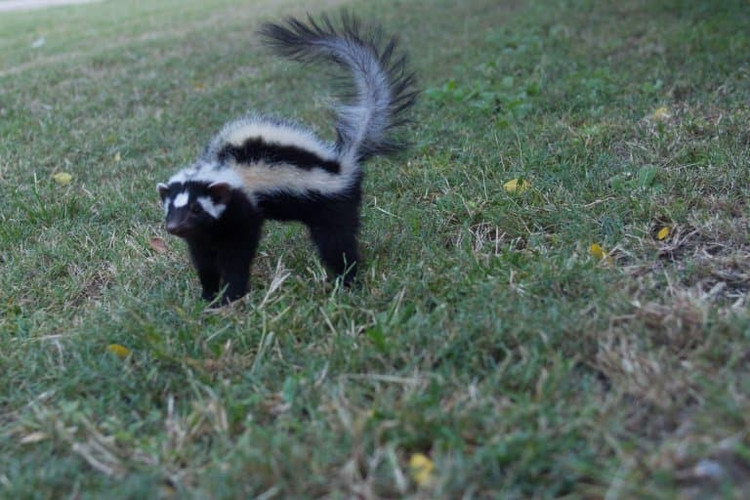
African striped skunk: A nocturnal warrior with a distinctive stench.
Vietnam.vn EN
13/01/2026 01:41:00
With their strong odor and high survival rate, African skunks play a crucial role in pest control and maintaining environmental balance.
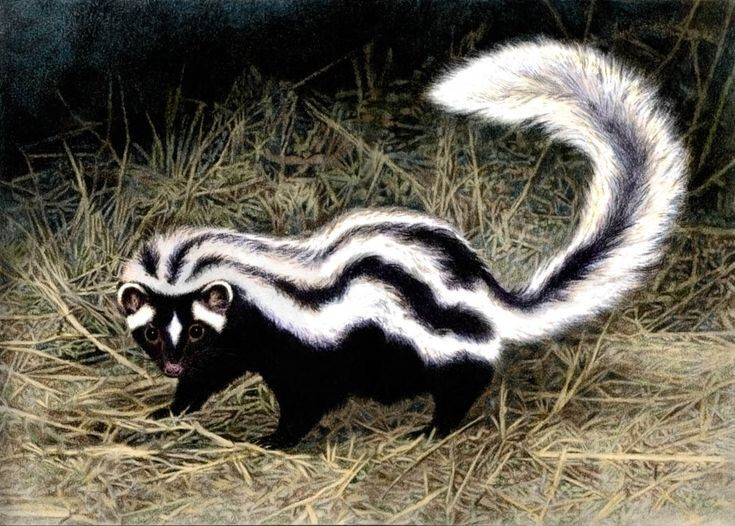
The African striped skunk is not closely related to the American skunk. Despite its ability to emit a similar foul odor, the striped skunk actually belongs to the Mustelidae family, which is more closely related to badgers and otters than to the New
World skunk. Photo: Pinterest.
Their foul odor is one of the most unpleasant in the animal kingdom. The anal glands of the African skunk secrete a pungent sulfur compound that can cause predators to flee immediately and linger for hours. Photo: Pinterest.
The white striped pattern on its back serves as a warning. The contrasting black and white colors provide a clear visual signal indicating the potential for odor-based defense, helping to reduce the risk of attack. Photo: Pinterest.
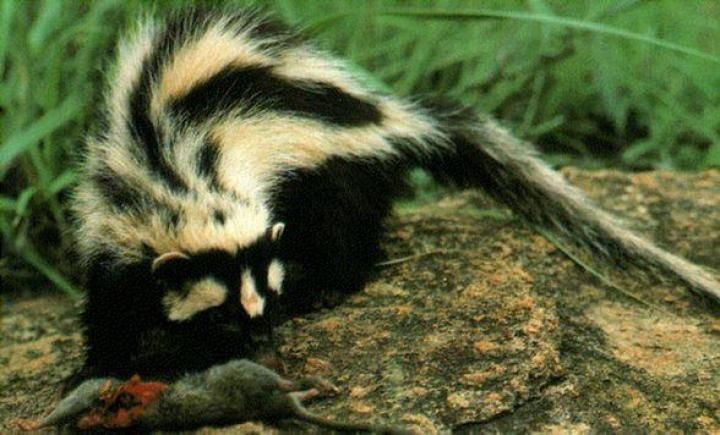
They are primarily nocturnal and very secretive. During the day, they hide in burrows they dig themselves or occupy abandoned burrows belonging to other animals, only venturing out to forage after dark to avoid predators. Photo: workingwithwildlife.org.
The diet of the African striped skunk is incredibly diverse. They eat insects, small rodents, reptiles, bird eggs, and even carrion, playing an important role in controlling pest populations. Photo: wikimedia.org.
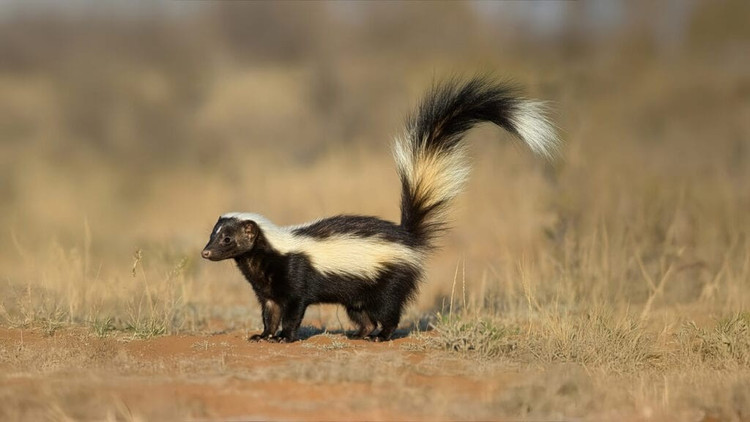
African skunks are quite territorial. Each individual typically controls a separate area, marking it with scent to warn others to avoid trespassing. Photo: valdevie.co.za.
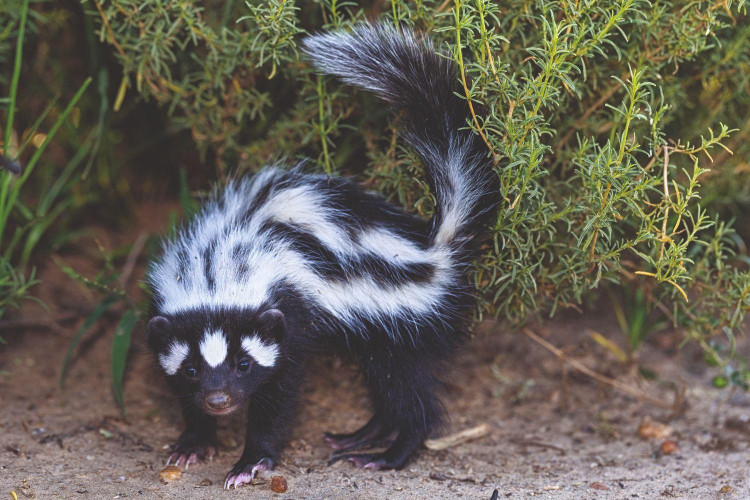
Their adaptability allows them to survive in many harsh environments. From arid savannas to semi-deserts, African striped skunks thrive thanks to their flexible diets and nocturnal habits. Photo: factanimal.com.
They play a vital but often overlooked ecological role. By hunting insects and small animals, Ictonyx striatus contributes to the balance of the ecosystem, although they are often feared by humans due to their distinctive odor. Photo: factanimal.com.
This article is provided by Vietnam.vn EN, authorized for use, and represents solely the author’s personal opinions. Please contact us in the event of any potential infringement.