



Duck meat is a familiar dish in many family meals. However, to ensure the dish is delicious and high-quality, you need to know some secrets such as how to boil duck meat without it having an unpleasant smell, and the right boiling time.
How many minutes should you boil a duck for it to be delicious?
Boiled duck is a popular and affordable dish enjoyed by many Vietnamese families. However, boiling duck well requires a few secrets.
According to the experience of many housewives, when the water is boiling (very hot), add the duck and a little white wine; when the water boils again, reduce the heat to low so that the meat cooks evenly.
Depending on the size of the duck, the boiling time will vary, but it usually takes about 18-20 minutes. After that, the heat is turned off, and the duck is left in the pot for another 10-12 minutes before being removed and allowed to cool before being enjoyed.
Soaking the duck in the boiling water prevents the bones from turning red, and makes the meat tender, juicy, and more flavorful. Finally, remove the meat and let it cool slightly.
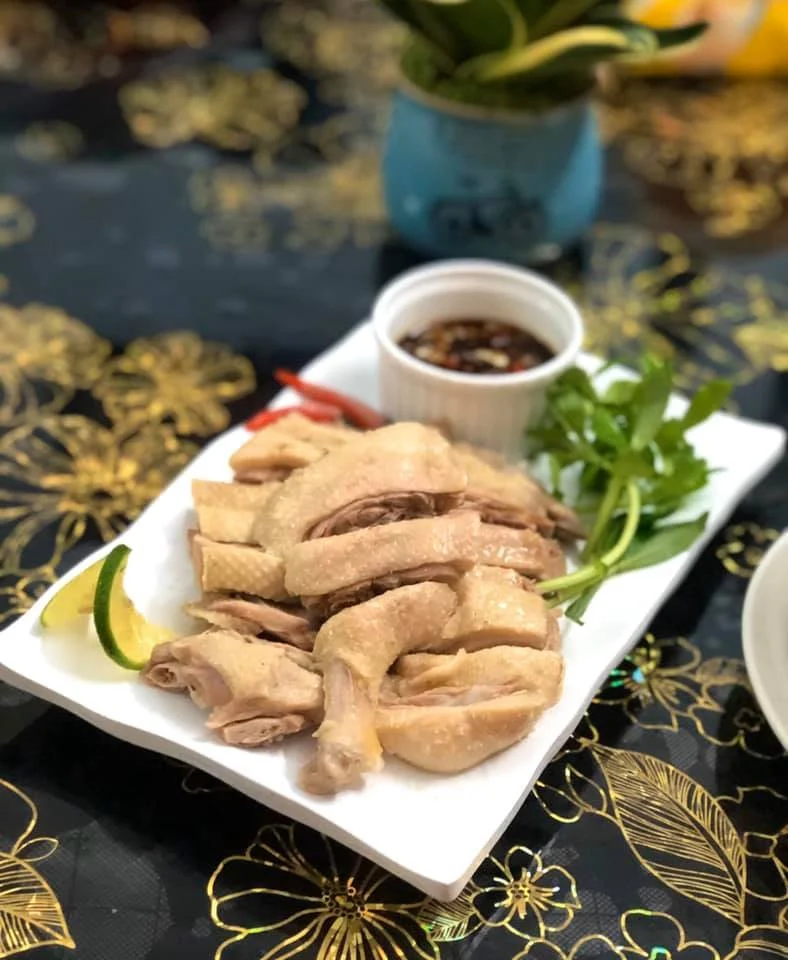
How to boil duck meat without it having a strong odor.
Although duck meat is a familiar ingredient in Vietnamese cuisine, many people are still hesitant to eat it because of its distinctive strong odor.
The reason stems from the fact that ducks have quite well-developed oil glands, and because they frequently swim in water, they inevitably produce a somewhat unpleasant odor.
Here are some tips for boiling duck meat without it having a strong odor:
Proper feather removal: According to folk wisdom, proper feather removal is crucial for reducing the unpleasant odor of duck during cooking.
The method involves boiling a pot of water, adding a little lime or starfruit leaves, then submerging the slaughtered duck completely in the water. Quickly and skillfully remove all feathers and downy feathers. If you see black liquid in the duck's pores, squeeze it out and rinse thoroughly.
Using natural ingredients: To remove the unpleasant smell of duck, you can use some familiar ingredients and spices such as coarse salt, lemon or vinegar, alcohol, and crushed ginger, rubbing them all over the surface of the duck (after cleaning the feathers) both inside and out, especially in hidden areas such as the wings and thighs.
Wait about 15-20 minutes for the odor to dissipate, then rinse the duck several times with clean water. This method can help remove up to 80% of the duck's odor.
Removing the tail: Considered the main culprit behind the unpleasant odor in poultry such as chickens, geese, and ducks, the tail should be removed during processing. This part also contains lymphatic glands and may harbor viruses and bacteria that cause disease.
Therefore, removing the tail end of the fish helps reduce the unpleasant odor and ensures food safety.
Proper way to boil duck: Unlike chicken, which is usually boiled immediately in cold water because its skin is soft, thin, and easily torn, ducks and geese should be boiled in very hot water. Ginger, a little fish sauce, or salt should be added to the duck broth to make the meat more fragrant and flavorful.
Once the water boils again, the heat is reduced to a simmer, adjusting the cooking time according to the weight of each fish.
You can check if the duck is cooked by piercing it with a chopstick; if no red liquid comes out, it's done. If you buy an old duck with tough meat, don't remove it immediately after turning off the heat; let it simmer in the pot until it cools down.
Note
Because duck meat is considered "cold" in nature, it should be eaten with a dipping sauce containing warm spices like ginger and chili to balance the yin and yang.