NASA predicts the fate of the Sun and Earth over the next 5 billion years.
Vietnam.vn EN
26/01/2026 05:56:00
Images from James Webb depict a future of the solar system where Earth could be swallowed or destroyed as the Sun becomes a red giant.
NASA
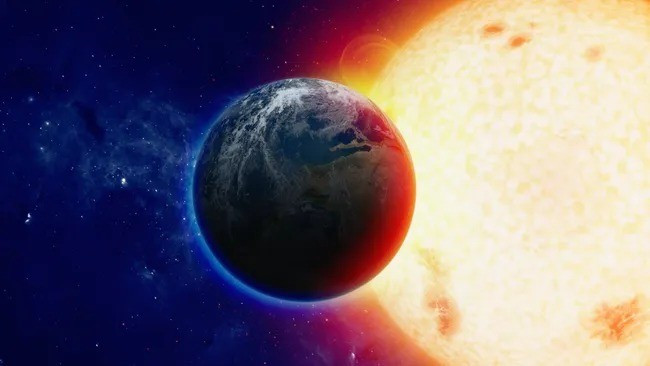
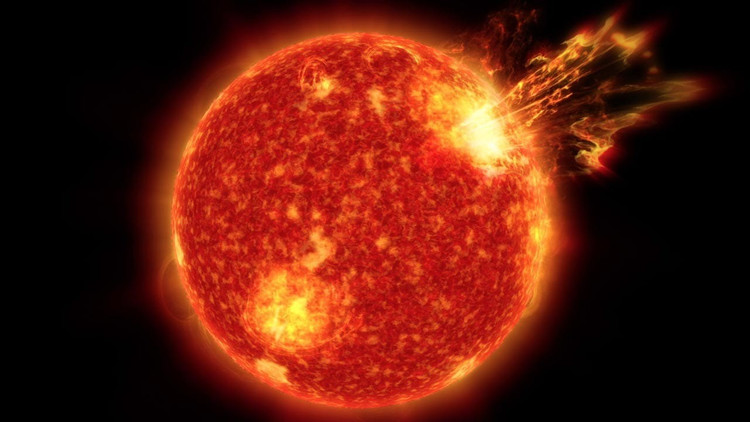
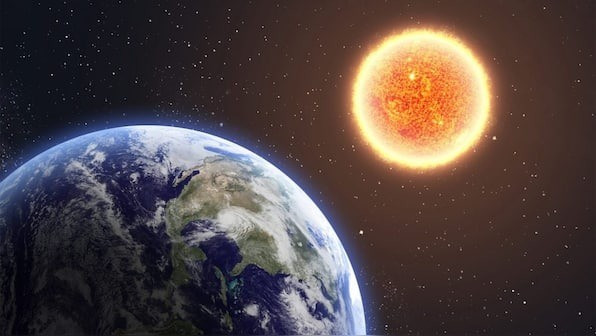
scientists warn that in about 5 billion years, the Sun, nearing the end of its life cycle, will collapse, leaving behind a massive shell of gas and space dust. During this process, Earth could be swallowed by the expanding Sun or torn apart by its immense gravitational forces, before the remaining material continues to form new planets. (Image: Ig0rZh via Getty Images)
What awaits the solar system in the future has been vividly depicted in the latest images from the James Webb Space Telescope (JWST). The object observed by the experts is the Helix Nebula, located approximately 650 light-years from Earth. Image: Fsgregs/Wikimedia Commons.
The Helix Nebula is the remnant of a star with a mass comparable to the Sun, but which ran out of fuel thousands of years ago. It is a shell of gas and dust, approximately 3 light-years in diameter, formed as the central star entered the final stages of its life. According to NASA, these images offer a realistic glimpse into what might happen to the Sun and Earth about 5 billion years from now. Photo: ESO/S. Steinhöfel.
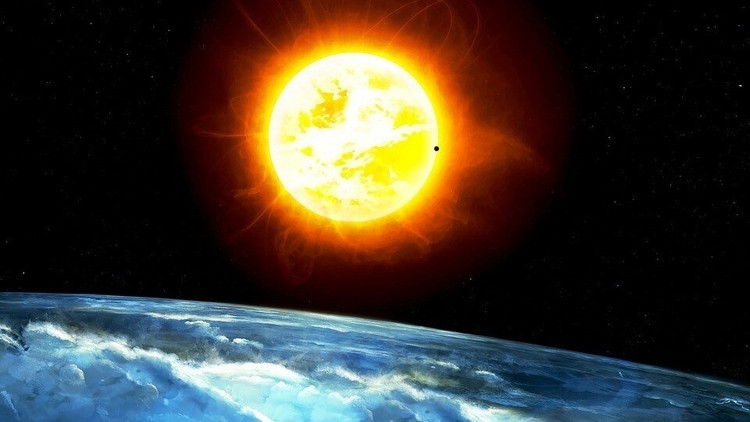
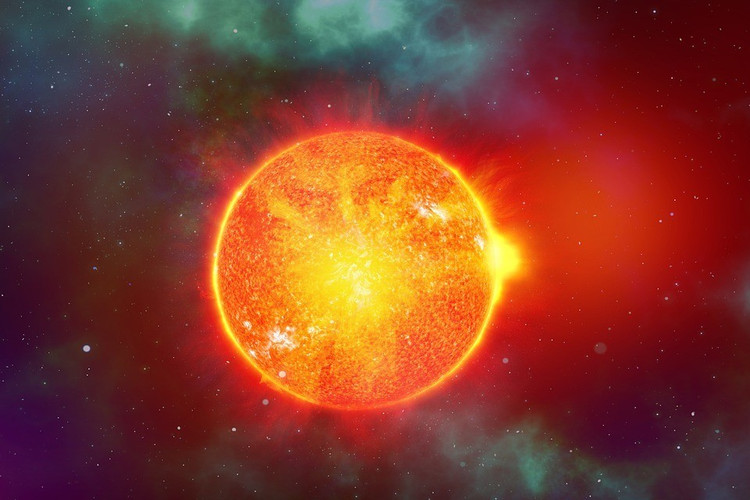
Astronomers say that for most of its life, a star maintains a stable state thanks to a balance between gravity and the energy generated by nuclear fusion, as hydrogen is continuously converted into helium in the star's core. Sun-like stars can remain in this stable phase for billions of years. Image: Pixabay.
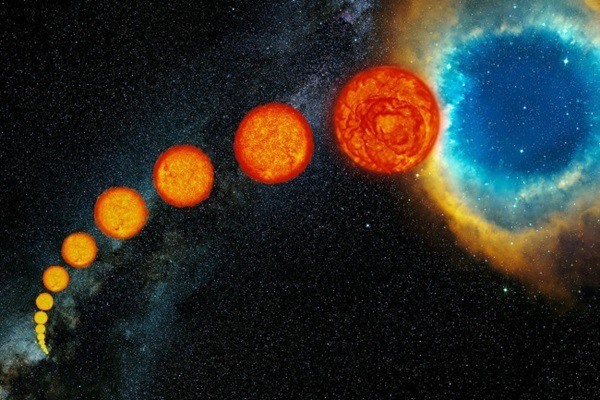
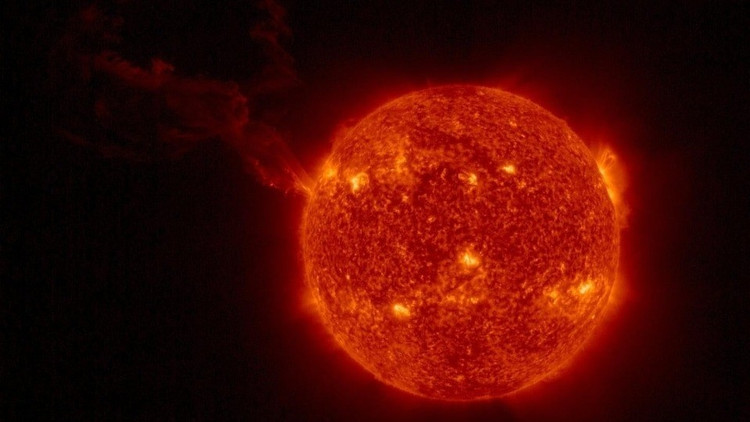
However, as hydrogen gradually runs out, the fusion reactions weaken, causing the star's outer layers to begin collapsing inward. The immense pressure generated by this process creates temperatures high enough to fuse helium atoms into carbon, releasing a powerful burst of energy and triggering fusion reactions in the outer layers. Image: NASA.
As a result, the star swelled to 100-1,000 times its original size, gradually cooled, and became a red giant. Eventually, the star's core collapsed into a white dwarf roughly the size of Earth, while the outer layers were blown into space, forming a planetary nebula like the Helix Nebula. Image: NASA.
Intense radiation from the white dwarf at its center illuminates the expanding gas layer. This allows scientists to clearly observe the star's dramatic transformation. Although the white dwarf wasn't directly photographed by the James Webb Telescope, NASA says its radiation still creates strange structures in the surrounding nebula. Image: Pixabay.
Compared to previous images from the Hubble telescope, which only showed a faint, blurry area, JWST's NIRCam instrument clearly revealed the sharp boundaries between hot and cold gas regions. The blue patches indicate the hottest areas, where the gas is excited by ultraviolet light. Further out are the yellow areas, where hydrogen begins to bond into molecules, while the red shows the coldest areas, where the gas thins and cosmic dust forms. Image: Pixabay.
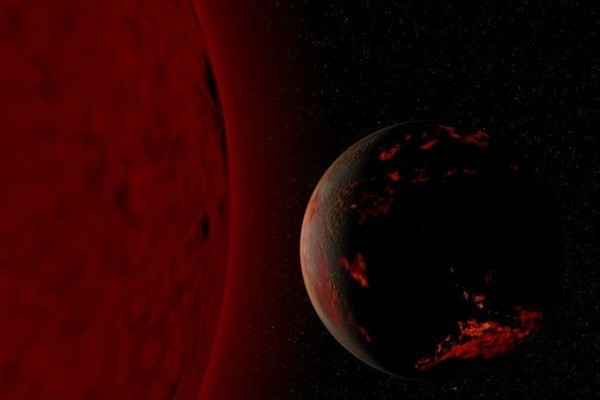
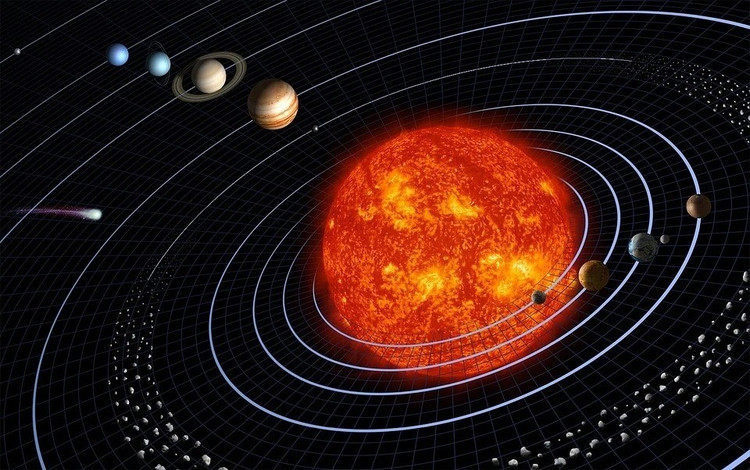
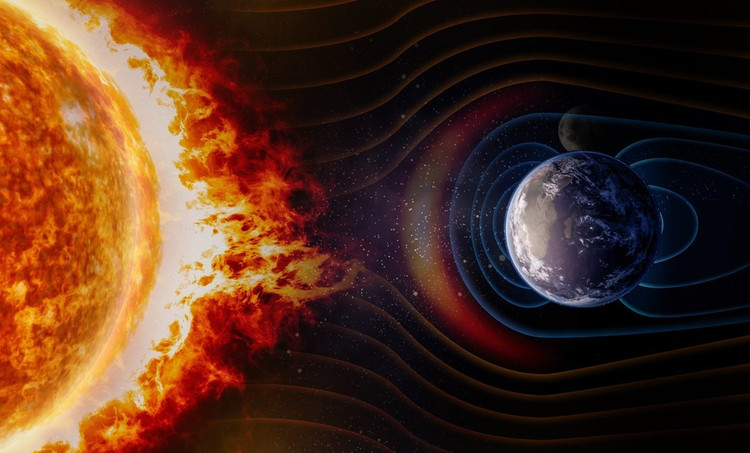
Scientists believe that the Sun will begin a similar process in about 5 billion years, with a very high probability that Earth will be destroyed. They predict that as the Sun expands, the blue planet could be vaporized by the extreme temperatures or torn apart and fall into the Sun due to gravitational tidal forces. Image: Space.com.
Nevertheless, researchers remain optimistic, believing that even if Earth were destroyed by the Sun, what remains could still contribute to the creation of a new generation of life in the universe. Photo: in.mashable.com.
The article continues below the video.
Recommended video
Readers are invited to watch
the video : A map of the universe with over 900,000 stars, galaxies, and black holes. Source: THĐT1.
This article is provided by Vietnam.vn EN, authorized for use, and represents solely the author’s personal opinions. Please contact us in the event of any potential infringement.