



Pomegranate juice – a deep red juice rich in antioxidants – has been shown in many studies to help reduce plaque in arteries, improve blood circulation, and support cardiovascular health when consumed appropriately.
1. Benefits of pomegranate juice for cardiovascular health
Pomegranate juice, with its tangy flavor and vibrant color, is not only appealing from a culinary standpoint but is also highly valued for its abundant antioxidant content. Numerous studies have shown that pomegranate juice can help "clear" arteries and support the prevention of cardiovascular problems.
The antioxidants in pomegranate juice can protect LDL cholesterol – often referred to as "bad" cholesterol – from oxidation. This is important because oxidized LDL can promote inflammation and contribute to plaque formation in arteries.
Excessive plaque buildup narrows the arteries and stiffens their walls, restricting blood flow and increasing the risk of serious events such as heart attacks and strokes. Even more dangerously, atherosclerotic plaques can break off, forming blood clots that cause acute blood flow obstruction.
Scientists suggest that incorporating pomegranates and pomegranate juice into your diet may be one of the measures to help prevent cardiovascular disease, alongside maintaining a healthy diet, a reasonable weight, and a scientific lifestyle.
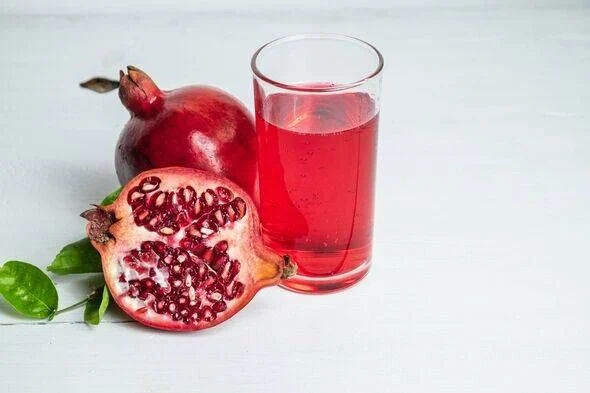
Research suggests that the powerful antioxidants in pomegranate juice may help reduce arterial plaque and support cardiovascular health.
2. Mechanism of action of pomegranate juice: Antioxidant and vasodilating properties.
Pomegranates and their juice can help reduce oxidative stress in the body, while stimulating nitric oxide production and preventing the oxidation of LDL (low-density lipoprotein) cholesterol.
Nitric oxide plays a crucial role in maintaining cardiovascular health. It helps dilate blood vessels, supports blood pressure regulation, and improves blood flow to organs and tissues throughout the body. Preventing LDL oxidation is also particularly beneficial, as oxidized LDL can lead to inflammation and plaque buildup in arteries.
According to Dr. Michael Aviram, professor of biochemistry at the Technion Institute of Technology (Israel), the antioxidants in pomegranates can help prevent plaque buildup in arteries and even reduce existing plaque. His research shows that these compounds are effective in combating oxidized cholesterol – a major cause of arterial blockage.
Several additional studies suggest that pomegranate juice may improve blood circulation and slow the process of atherosclerosis, two key factors in preventing heart disease. Preliminary findings also indicate that regularly drinking pomegranate juice may help lower LDL cholesterol levels. Scientists believe that polyphenols are the key factor behind these promising results, due to their ability to enhance cardiac endothelial and vascular function.
In 2017, an analysis published in the journal Pharmacological Research reviewed eight clinical trials and concluded that pomegranate juice can lower both systolic and diastolic blood pressure, regardless of consumption. The authors suggested that adding this juice to the diet is beneficial for cardiovascular health.
3. What makes pomegranates so good for your health?

Pomegranates are rich in antioxidants such as tannins, flavonoids, and anthocyanins, which help neutralize free radicals and protect cells from damage. These compounds may help prevent and repair DNA damage, potentially reducing the risk of cancer.
Pomegranates can also help limit the thickening of artery walls and reduce plaque buildup, contributing to healthy blood circulation. Additionally, they can help lower blood pressure – a crucial factor in protecting cardiovascular health.
The compounds in pomegranates also have anti-inflammatory properties, which are beneficial for people with chronic inflammatory diseases or those wishing to reduce systemic inflammation. Furthermore, pomegranates are believed to help increase exercise endurance, aid recovery, contribute to preventing bone degeneration, and improve memory and cognitive function.
According to Heart.org, half a cup of pomegranate seeds provides approximately 72 calories, 16 grams of carbohydrates, and 3 grams of fiber, while also being rich in folate, potassium, and vitamin K.
4. Some things to keep in mind when drinking pomegranate juice.
Before adding pomegranates or pomegranate juice to your diet, please note the following:
- People with low blood pressure or those taking medication for high blood pressure should consult their doctor, as pomegranate juice may lower blood pressure.
- Similar caution is needed for those taking cardiovascular medication or cholesterol-lowering drugs. Pomegranates may slow the metabolism of some drugs in the liver, including statins. Additionally, pomegranates may reduce the effectiveness of the anticoagulant warfarin, increasing the risk of blood clots.
- Pomegranate juice also contains a high amount of natural sugar. A cup of 100% pure pomegranate juice can contain approximately 31–33 grams of sugar. Due to the lack of fiber compared to whole pomegranates, pomegranate juice can cause a rapid increase in blood sugar, and caution is needed for people with diabetes or kidney disease.
Readers are invited to read more: