



Kidney stones are a condition that easily recurs, causing prolonged pain and significantly affecting the quality of life. Many cases of kidney stones can be effectively prevented if patients maintain appropriate lifestyle habits...
1. Why are kidney stones so prone to recurrence?
- 1. Why are kidney stones so prone to recurrence?
- 2. Basic principles to help reduce the risk of kidney stone recurrence
- 2.1. Drinking enough water – the most important key to preventing kidney stone recurrence.
- 2.2. Reducing salt intake – an important step to limit calcium kidney stones.
- 2.3. Eating enough calcium helps reduce oxalate.
- 2.4. Limit animal protein to reduce uric acid.
- 2.5. Increase your intake of fruits and vegetables to boost your natural citrate levels.
Kidney stones are not a one-time occurrence. In fact, many people who have successfully treated them still face the risk of recurrence in the following years. This not only causes physical pain but also creates psychological pressure and constant anxiety in daily life.
Studies show that kidney stones form when urine becomes too concentrated or when the concentration of certain minerals in the body increases. At this point, small crystals have the opportunity to clump together, grow larger, and form stones. Notably, the majority of recurrent kidney stone cases are closely related to lifestyle, diet, and daily habits.
Once the mechanism of stone formation is understood, preventing recurrence is no longer overly complicated. With appropriate medical monitoring and small but consistent lifestyle changes, the risk of kidney stone recurrence can be completely controlled.
2. Basic principles to help reduce the risk of kidney stone recurrence
In essence, recurrent kidney stones usually stem from two main factors:
- Urine that is too concentrated
- The body produces or excretes too much of certain minerals…
Therefore, preventive measures focus on adjusting these two factors through lifestyle. In many cases, changing habits is sufficient; others may need prescribed medication if non-drug measures have not yielded the desired results.
The core solutions include:
- Drink enough water throughout the day.
- Reduce your salt intake.
- Maintain adequate calcium intake in your diet.
- Limit your consumption of animal protein.
- Increase your intake of fruits and vegetables...
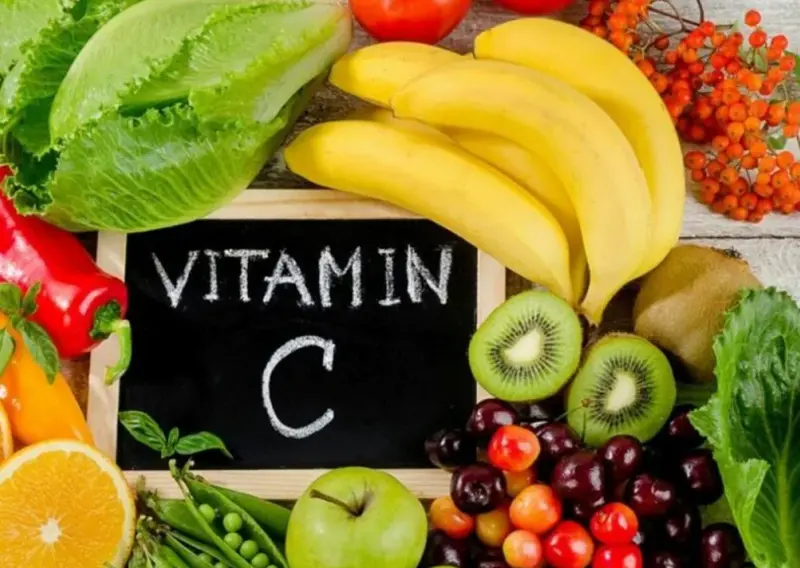
Increasing your intake of fruits and vegetables can help reduce the risk of kidney stone recurrence.
2.1. Drinking enough water – the most important key to preventing kidney stone recurrence.
According to information published on the Toi website, keeping urine diluted is a simple yet highly effective measure in preventing recurrent kidney stones. When urine volume increases, mineral concentrations decrease, making it less likely for crystals to clump together and develop into stones.
A common mistake is drinking large amounts of water only at a few times during the day. This creates long periods of concentrated urine, increasing the risk of stone formation. Conversely, drinking water regularly from morning to night helps maintain a stable environment for the kidneys.
Even small changes in drinking habits can yield noticeable benefits. Staying adequately hydrated not only helps prevent kidney stones but also supports more efficient kidney function in the long run.
2.2. Reducing salt intake – an important step to limit calcium kidney stones.
A high-salt diet is a silent factor that increases the risk of kidney stone recurrence. When the salt content in the diet is high, the kidneys excrete more calcium through urine, thereby increasing the risk of calcium stone formation.
Many people don't realize that the majority of salt comes from processed foods, fast food, or restaurant meals, not just the salt added during cooking. Prioritizing simple, homemade meals helps control salt intake better.
Gradually reducing salt intake also helps the taste buds adapt and contributes to maintaining mineral balance in the urine – a key factor in preventing stone recurrence.
2.3. Eating enough calcium helps reduce oxalate.
After developing kidney stones, many people tend to restrict or eliminate calcium-rich foods in the hope of preventing recurrence. However, this approach can be counterproductive. Calcium in food combines with oxalate in the digestive tract, reducing oxalate absorption and excretion in urine. When the diet lacks calcium, oxalate levels in urine increase, thereby increasing the risk of calcium oxalate stone formation.
Maintaining adequate calcium intake from milk and other calcium-rich foods helps maintain chemical balance in the urinary tract, which is crucial in preventing recurrent kidney stones.
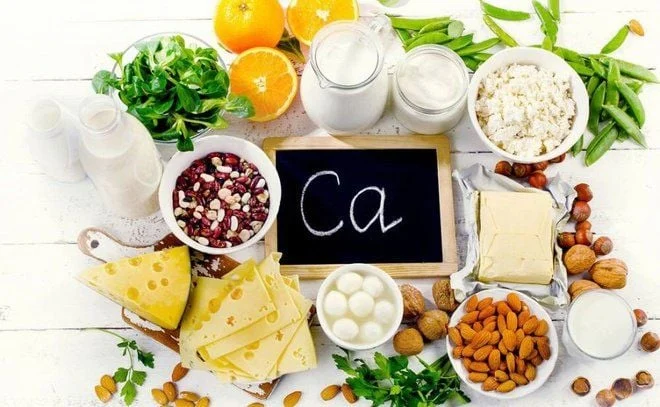
Eating enough calcium helps prevent kidney stones from recurring.
2.4. Limit animal protein to reduce uric acid.
Consuming excessive amounts of animal protein, especially red meat, poultry, and some types of seafood, can increase urine acidity and uric acid levels. This is not only associated with uric acid stones but also increases the risk of calcium stones.
The solution doesn't necessarily mean eliminating meat and fish completely, but rather using them in moderation. Reducing portion sizes, spacing out meat-containing meals throughout the week, or replacing some meals with plant-based foods are all viable options.
These adjustments help reduce the burden on the kidneys and create a urinary environment less favorable for stone formation.
2.5. Increase your intake of fruits and vegetables to boost your natural citrate levels.
Citrate is a substance that can inhibit crystal formation in urine. People who eat few fruits and vegetables often have low citrate levels, which increases the risk of recurrent kidney stones. Adding fruits, especially citrus fruits, and potassium-rich vegetables to your diet helps increase citrate naturally while maintaining a stable pH in the urine.
You don't need to make drastic changes; simply adding fruit to your breakfast or choosing vegetables as a snack can provide cumulative benefits over time.
Preventing recurrent kidney stones is not a short-term solution, but rather a process of building healthy lifestyle habits. Water needs and how the body processes minerals can vary depending on the weather, activity level, and individual health conditions.
Regular health checkups, urine tests, and frequent consultations with a doctor help patients understand their bodies and adjust their lifestyles accordingly. When good habits become part of daily life, the risk of kidney stone recurrence is significantly reduced, contributing to long-term kidney health.
Please note that this article is for informational purposes only and does not replace medical advice, diagnosis, or treatment.
Please watch the video for more information: