



Potassium helps regulate blood pressure and supports heart function. Besides bananas, many familiar foods contain even higher amounts of potassium, contributing to sodium balance and improving cardiovascular health when included appropriately in the diet.
1. The role of potassium in blood pressure and cardiovascular health.
- 1. The role of potassium in blood pressure and cardiovascular health.
- 2. Some foods rich in potassium
- 2.1 Avocados – a good source of potassium and heart-healthy fats
- 2.2 Pumpkin – a food rich in potassium and low in calories
- 2.3 Potatoes – a very rich source of potassium
- 2.4 Lentils – rich in potassium, plant protein, and fiber
- 2.5 Sunflower seeds – rich in potassium and magnesium
- 2.6 Flax seeds – rich in potassium and omega-3
- 3. Recommendations for supplementing potassium from natural food sources.
Potassium is one of the essential minerals for the body. It participates in regulating fluid balance, maintaining muscle and nerve function, and especially helps stabilize blood pressure.
In a daily diet, high sodium (salt) intake tends to cause water retention, increasing pressure on blood vessel walls. Potassium helps the kidneys excrete excess sodium through urine, thereby reducing water retention and circulatory pressure.
Numerous studies have shown that diets rich in potassium are associated with a reduced risk of hypertension and cardiovascular disease. The World Health Organization recommends that adults increase their potassium intake from natural foods to help control blood pressure and reduce the risk of stroke.
Bananas are often considered a popular source of potassium. According to the U.S. Department of Agriculture 's nutritional data, a medium-sized banana provides approximately 422 mg of potassium. However, many other foods in your daily diet may provide higher amounts of potassium.
2. Some foods rich in potassium
Here are some foods that are richer in potassium than bananas and also offer many cardiovascular health benefits:
2.1 Avocados – a good source of potassium and heart-healthy fats
A medium-sized avocado can provide about 700 mg of potassium, significantly more than a banana. Avocados also contain plenty of monounsaturated fats, a type of fat that is beneficial for cardiovascular health. By replacing saturated fats with monounsaturated fats, LDL cholesterol levels (bad cholesterol) can be lowered.
In addition, the potassium in avocados helps balance sodium levels in the body. This is especially important for people with high-salt diets or who frequently consume processed foods. Avocados can be used in many dishes, such as salad dressings, spreads on whole-wheat bread, or smoothies.
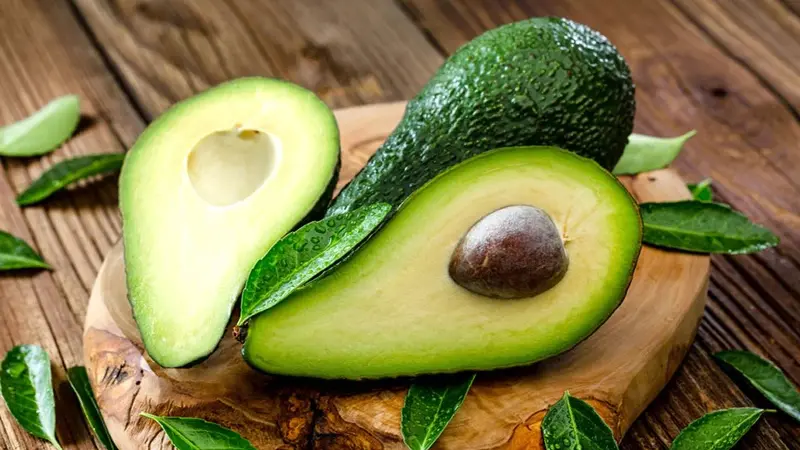
Avocados are a good source of potassium and heart-healthy fats, helping to stabilize blood pressure.
2.2 Pumpkin – a food rich in potassium and low in calories
One cup of cooked pumpkin can provide over 500 mg of potassium. It's a low-calorie food but rich in vitamins and minerals. Pumpkin also contains beta-carotene, a precursor to vitamin A. This substance has antioxidant properties and helps protect blood vessel walls. When blood vessels are healthier and more flexible, blood pressure can be better controlled.
In family meals, pumpkin can be prepared in many ways, such as pumpkin soup, steamed pumpkin, or stir-fried pumpkin with a little oil.
2.3 Potatoes – a very rich source of potassium
A medium-sized boiled potato, with the skin on, can provide about 900 mg of potassium, more than double that of a banana. Potatoes themselves are not inherently harmful to cardiovascular health. The main issue lies in the preparation method. Deep-frying or eating them with a lot of salt can reduce their nutritional benefits. Conversely, boiled, steamed, or baked potatoes with limited salt are a suitable choice for people needing to control their blood pressure.
Leaving the peel on during cooking helps preserve the potassium and fiber in the food.
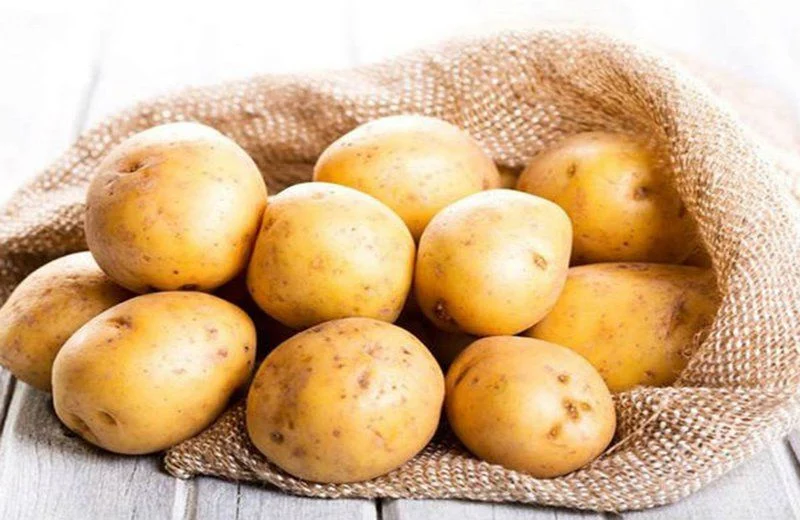
Potatoes are a rich source of potassium, which helps control blood pressure.
2.4 Lentils – rich in potassium, plant protein, and fiber
One cup of cooked lentils provides approximately 730 mg of potassium. In addition to potassium, lentils are also a rich source of plant-based protein and soluble fiber. Soluble fiber helps reduce cholesterol absorption in the intestines, thereby contributing to lower LDL cholesterol in the blood. Therefore, incorporating lentils into your diet may help reduce the risk of cardiovascular disease and support blood sugar control.
Lentils can be used in soups, stews, or combined with vegetables in meals.
2.5 Sunflower seeds – rich in potassium and magnesium
Sunflower seeds not only contain potassium but are also rich in magnesium and unsaturated fats. Magnesium and potassium work together to dilate blood vessels, thereby helping to stabilize blood pressure. In addition, the beneficial fatty acids in sunflower seeds also help reduce inflammation and protect cardiovascular health.
However, sunflower seeds have a fairly high energy density. Therefore, you should only eat a small amount each day, about a handful, and preferably unsalted.
2.6 Flax seeds – rich in potassium and omega-3
Flaxseed is a food highly regarded in many studies for its omega-3 fatty acid content. Omega-3s have anti-inflammatory effects and contribute to reducing the risk of cardiovascular disease. In addition, flaxseed also provides a significant amount of potassium. For better absorption, flaxseed should be ground before use; a teaspoon of ground flaxseed can be added to yogurt, oatmeal, or smoothies.
3. Recommendations for supplementing potassium from natural food sources.
According to nutritional recommendations, adults should consume approximately 2,600-3,400 mg of potassium per day, depending on age and gender. However, many people do not meet this recommendation due to diets lacking in vegetables, fruits, and legumes.
Nutrition experts recommend prioritizing potassium intake from natural food sources. These foods not only provide potassium but also contain fiber, vitamins, antioxidants, and many other beneficial nutrients. Meanwhile, the use of potassium supplements should be considered cautiously. Individuals with kidney disease, those taking blood pressure medication, or diuretics should consult their doctor before using them.
No single food can completely control blood pressure. The effectiveness of prevention largely depends on overall diet and lifestyle. A heart-healthy diet typically includes plenty of green vegetables, fruits, legumes, nuts, and whole grains; while limiting salt, processed foods, and saturated fats.
Some small changes can have long-term health benefits, such as:
- Increase the amount of fruits and vegetables in your daily diet.
- Replace white rice with brown rice or whole grains a few times a week.
- Include legumes and nuts in your meals. Limit fried foods and fast food.
- Reduce the amount of salt in your cooking.
Maintaining a balanced diet combined with physical activity, weight management, and regular health checkups will help reduce the risk of high blood pressure and cardiovascular disease in the long term.
Please watch the video for more information: