


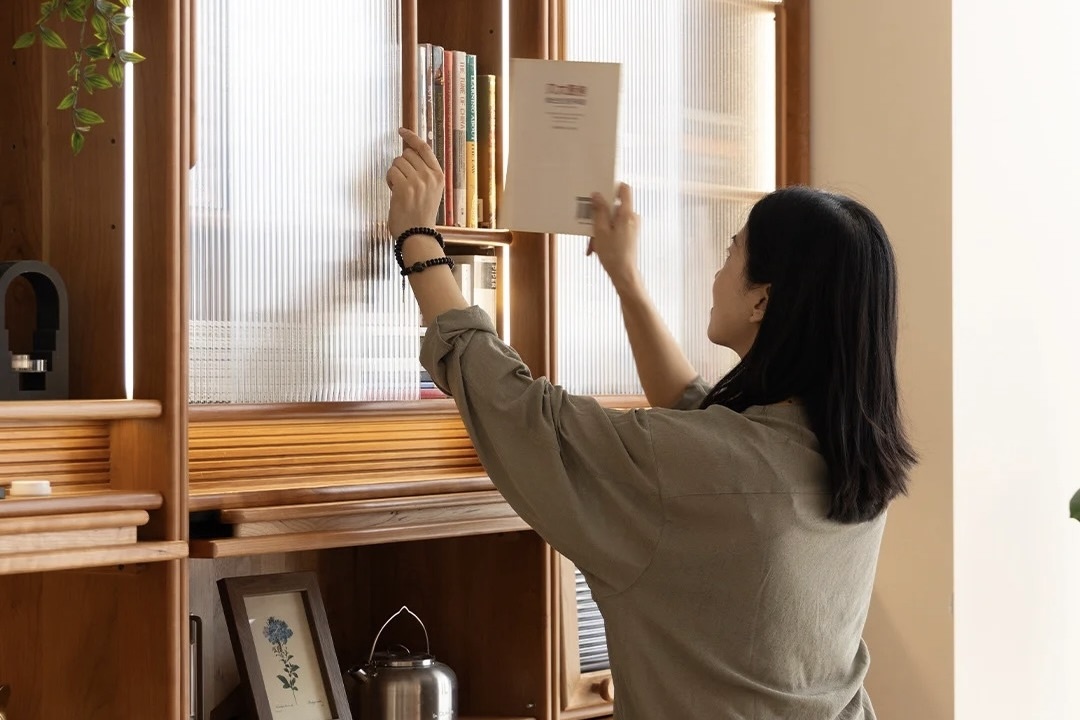
More and more people are buying books by the meter, choosing by spine color, size, or age to complement their living spaces and build their personal image. This trend is also contributing to the resurgence of small library corners in home design, even in apartments with limited space.
According to The Guardian , using books to demonstrate knowledge or status is not a new phenomenon. In The Great Gatsby , F. Scott Fitzgerald depicted Jay Gatsby as owning bookshelves full of books he never read, as part of the wealthy and educated image the character wanted to project.
A century after the novel was invented, books have once again become popular as decorative materials. Customers can buy meters of used books, randomly selected or ordered by color to match their interior decor.
In 2025, Etsy recorded a 19,616% increase in searches related to book lover decorations over a three-month period compared to the previous year, according to The Guardian . On eBay, one meter of randomly selected antique books costs around £50 ( US$67 ), while some stores sell sets of matching vintage books for nearly £100 ( US$135 ) per meter.
Thames & Hudson publishing house also noted demand for bulk book purchases from interior designers. Madeleine Ovenden, head of the company's non-traditional sales, said customers often choose books with spines in matching colors, and even send shelf dimensions to order books by the meter.
|
|
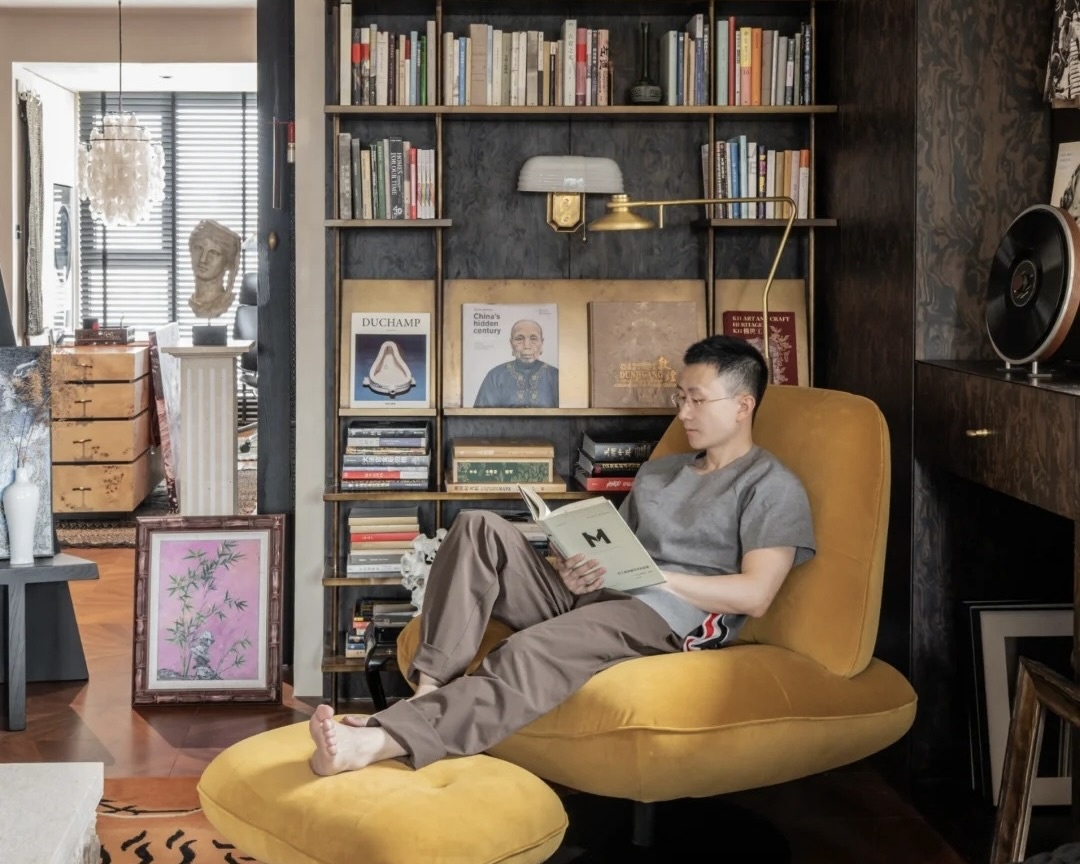
Many people are turning blank walls into bookshelves and reading nooks. |
This trend is associated with "bookshelf wealth," a style that has spread on TikTok and is seen as an extension of "quiet luxury." Instead of shiny new items, bookshelves are arranged to create the feeling of having been accumulated over many years, combining books, paintings, souvenirs, and vintage items.
New York-based interior designer Tommy Landen Huerter believes that books add color and depth to a space, but can also become a status symbol. He has encountered clients who buy books simply to fill shelves, even in almost inaccessible locations.
However, incorporating books into interior design doesn't necessarily have to be for display. Megan Slack, a writer for Homes & Gardens , suggests that even small apartments can create a library corner without dedicating an entire room.
Slack was inspired by director Nancy Meyers' home in Brentwood, California, where a floor-to-ceiling wall of books, seating, and warm lighting became the focal point of the living space. She then applied a similar layout when finding space for approximately 1,000 books in her studio apartment in London, England.
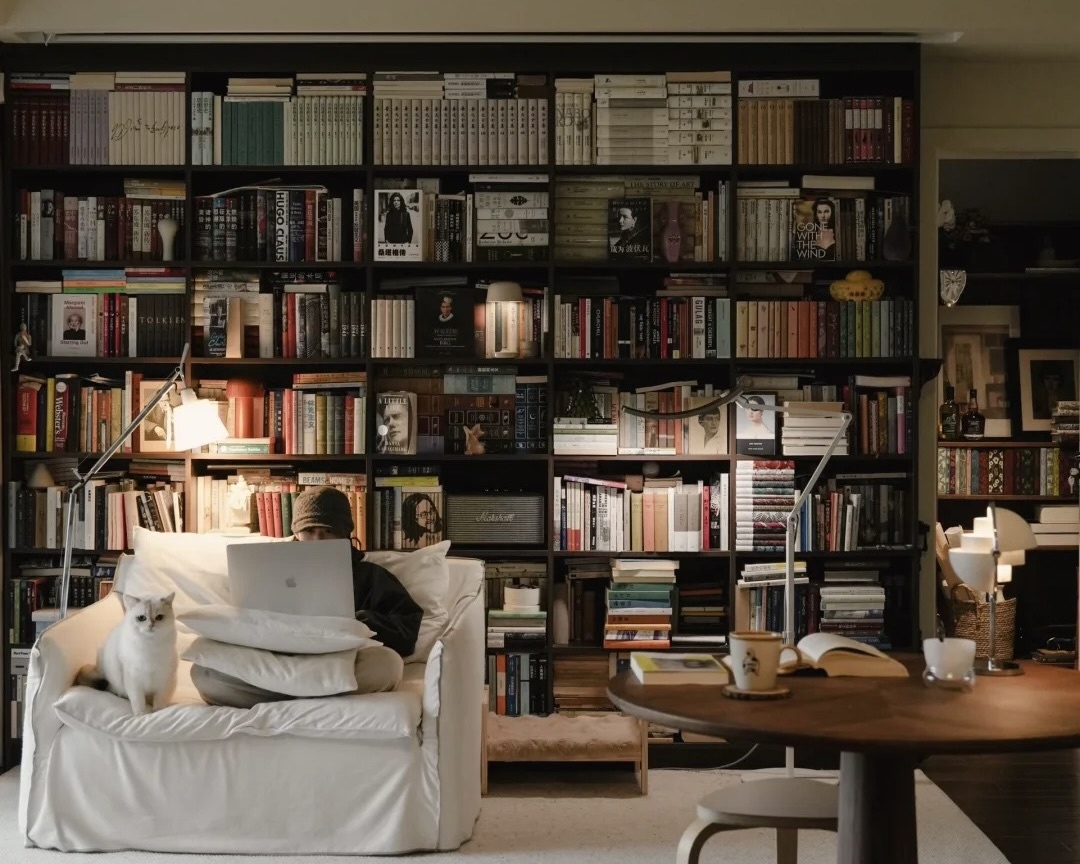
According to Slack, homeowners can take advantage of wall height, combining bookshelves with chairs, small tables, and reading lamps to create a space-saving and aesthetically pleasing reading nook. Books can also be placed upright, horizontally, or interspersed with plants, pottery, and souvenirs to make the shelves less rigid.
|
|
The bookshelves that have been accumulated over the years can be completed with just a few orders for books by the meter. |
Kris Manalo, creative director of Atkin & Thyme, notes that bookshelves are becoming increasingly multifunctional. They serve as both storage and help create a reading and relaxation area in the home. However, homeowners shouldn't utilize every available space for items, as an overly dense shelf can easily create a cluttered look.
Conversely, the trend of buying books purely for decoration is also controversial. Matt Hubbard, owner of Halcyon Books in London, says that the large quantity of used books and their low prices make selling them by weight or by the meter a way to dispose of slow-selling titles. Landen Huerter worries that this could fuel overconsumption as books are bought primarily for aesthetic purposes.
Meanwhile, Philip Blackwell, who runs Ultimate Library, argues that having books at home still holds value. His company builds libraries for hotels, offices, and homes by understanding customer preferences rather than simply selecting books by color.
According to Blackwell, the difference lies in whether books remain merely decorative objects or truly become a part of life. Even if initially purchased to be placed on a shelf, the presence of books still creates the opportunity for them to be opened and read someday.