



Hair loss is a common condition that can be related to a diet deficient in micronutrients. Supplementing with nuts rich in vitamin E, zinc, iron, and omega-3s helps nourish hair follicles, improve strength, and support the natural hair growth cycle from within.
Hair is primarily composed of keratin – a crucial protein that determines the strength and health of a hair strand. Hair formation and growth depend on an adequate supply of protein, essential fatty acids, vitamins, and minerals. When the body lacks micronutrients such as iron, zinc, vitamin E, biotin, or omega-3s, hair follicles can weaken, the growth cycle can be shortened, leading to thinning hair and increased risk of hair loss.
- 1. Certain types of nuts are rich in micronutrients that reduce hair loss.
- 1.1. Almonds – rich in vitamin E and biotin, protect hair follicles and reduce hair loss.
- 1.2. Walnuts – a source of omega-3s that support a healthy scalp.
- 1.3. Flax seeds are rich in omega-3 and lignans.
- 1.4. Pumpkin seeds provide zinc and iron to support the hair growth cycle.
- 1.5. Sunflower seeds provide vitamin E and selenium, which protect cells.
- 2. Things to note when adding nuts to your hair
Iron and zinc deficiencies are two common factors in people experiencing persistent hair loss. In addition, oxidative stress from environmental pollution, sunlight, and hair dyes also damages hair follicles. Foods rich in antioxidants and healthy fats can contribute to improving this condition.
Among foods beneficial for hair, seeds and nuts stand out due to their high nutrient density and ease of inclusion in daily meals.
1. Certain types of nuts are rich in micronutrients that reduce hair loss.
1.1. Almonds – rich in vitamin E and biotin, protect hair follicles and reduce hair loss.
Almonds are one of the most highly valued nuts in terms of nutritional value. They provide a large amount of vitamin E – a fat-soluble antioxidant that protects cells from damage caused by free radicals.
In the scalp, vitamin E helps reduce oxidative stress around hair follicles, improving microvascular blood circulation, thereby supporting the transport of nutrients to the hair roots. Some studies have noted that vitamin E supplementation can improve hair density in people experiencing hair loss related to oxidative stress. Additionally, almonds contain biotin (vitamin B7). Biotin is involved in the synthesis of keratin – the protein that makes up hair strands. A biotin deficiency can cause brittle, easily broken hair.
Adults can consume about 20–25g of almonds per day (equivalent to a small handful). Whole, unsalted almonds are preferred, and soaking them overnight can improve digestibility.
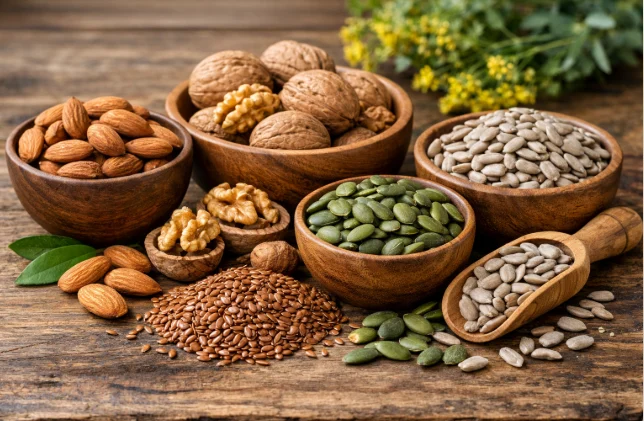
These nuts are rich in essential micronutrients that help nourish hair follicles and support natural hair growth, reducing hair loss.
1.2. Walnuts – a source of omega-3s that support a healthy scalp.
Walnuts are rich in omega-3 fatty acids. Omega-3s have anti-inflammatory effects and help maintain the scalp's natural moisture. A dry, inflamed scalp can disrupt the microenvironment around hair follicles and affect hair growth.
In addition, walnuts provide zinc and B vitamins – important micronutrients in cell division and tissue regeneration. Zinc is especially necessary for the function of the sebaceous glands around the hair follicles, helping to maintain the scalp's natural protective layer.
Zinc deficiency is linked to diffuse hair loss. Therefore, supplementing zinc from natural foods like walnuts is a safe and sustainable nutritional solution. It is recommended to consume about 3–5 walnuts daily, either eaten directly or combined with salads or yogurt.
1.3. Flax seeds are rich in omega-3 and lignans.
Flaxseed is a food rich in alpha-linolenic acid (ALA) – a plant-based form of omega-3. Omega-3s help maintain scalp moisture, reduce flaking, and improve the hair growth environment. Flaxseed also provides lignans – natural antioxidant compounds that can neutralize free radicals. In the context of increasing air pollution and UV radiation, the role of antioxidants in hair health is receiving more and more attention.
Additionally, flax seeds contain plant-based protein and fiber, supporting metabolism and overall health. For better absorption, flax seeds should be ground before use and added to smoothies, yogurt, or oatmeal.
The common dosage is 1–2 tablespoons of ground flaxseed per day.
1.4. Pumpkin seeds provide zinc and iron to support the hair growth cycle.
Pumpkin seeds are a source of zinc, iron, magnesium, and plant-based protein. Iron plays a role in transporting oxygen through hemoglobin in the blood. Hair follicles are rapidly dividing tissues, making them highly sensitive to oxygen deficiency. Iron deficiency – especially in women of reproductive age – is a common cause of persistent hair loss.
The zinc in pumpkin seeds helps regulate the hair growth cycle. Hair goes through three phases: growth, decline, and rest. When there is a zinc deficiency, this cycle can be shortened, leading to premature hair loss.
Adding a small amount of roasted pumpkin seeds (about 20–30g/day) to your diet may help improve your natural zinc and iron intake. However, those with severe anemia should consult a doctor and take supplements as directed by a healthcare professional.
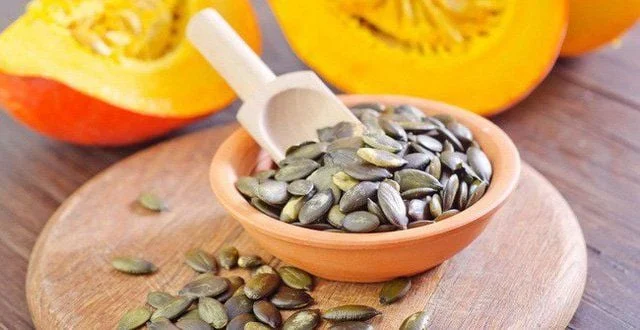
The zinc in pumpkin seeds helps regulate the hair growth cycle.
1.5. Sunflower seeds provide vitamin E and selenium, which protect cells.
Sunflower seeds provide vitamin E, selenium, and unsaturated fatty acids. Vitamin E helps improve blood circulation in the scalp, enhancing nutrient supply to hair follicles. Meanwhile, selenium is a micronutrient involved in the activity of endogenous antioxidant enzymes, helping to protect scalp cells from damage. Some studies have noted that selenium deficiency may be linked to hair loss; however, supplementation should be done in moderation, avoiding overuse.
Sunflower seeds can be added to salads, porridge, or used as a snack. The recommended daily intake is approximately 20g.
2. Things to note when adding nuts to your hair
Although rich in nutrients, nuts are also high in calories, therefore:
- It should only be used in moderation (20–30g/day).
- Prefer unsalted, non-fried nuts.
- People with nut allergies should exercise caution.
- Cases of prolonged hair loss, patchy hair loss, or hair loss accompanied by systemic symptoms should be examined by a dermatologist.
Nuts aren't a "hair growth medicine," but they are an important nutritional component in a holistic hair care strategy. Combining a balanced diet, sufficient sleep, stress management, and limiting styling chemicals is a sustainable solution for maintaining healthy hair. Healthy hair starts with proper nutrition. The nuts mentioned above are rich in essential micronutrients for hair follicles; when properly and regularly supplemented, they can help improve hair strength, reduce breakage, and support natural hair growth according to the body's biological mechanisms.
Please watch the video for more information: