



According to Dr. Huynh Tan Vu, Specialist Level 2, Day Treatment Unit, University Medical Center of Ho Chi Minh City - Branch 3, in modern life, work pressure and irregular lifestyle habits are making insomnia and "internal heat" (restlessness) increasingly common.
Before resorting to medication, adjusting one's diet is considered a crucial foundation. In this regard, lotus root – the rhizome that grows deep in the mud of the lotus plant – is considered a prime example of Eastern "nutritional therapy," capable of calming the nervous system and promoting internal heat reduction.
Lotus root is rich in nutrients that support the nervous system and sleep.
Lotus root, scientifically known as Nelumbo nucifera, is a rich source of micronutrients according to modern research.
Notably, the B vitamin group—especially vitamin B6 (pyridoxine)—plays a crucial role in the synthesis of neurotransmitters such as serotonin and dopamine, which directly affect mood and sleep.
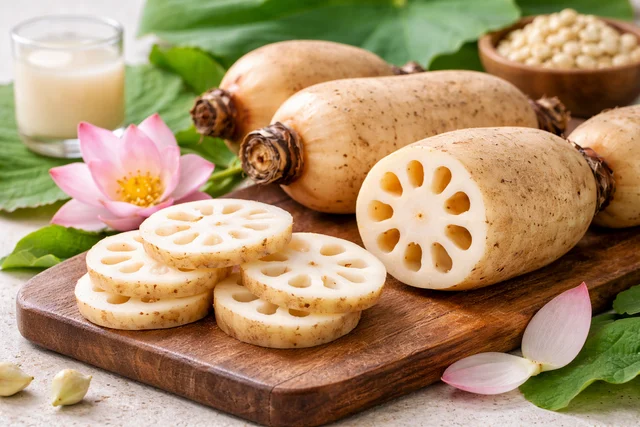
Lotus root has many health benefits.
PHOTO: AI
In addition, lotus root is rich in potassium and magnesium but low in sodium, which helps support vasodilation, stabilize blood pressure, and relax the body. Its high vitamin C content provides antioxidant properties, contributing to immune system enhancement.
In addition, phenolic compounds such as catechin and gallic acid also have anti-inflammatory and neuroprotective effects.
Impact on sleep and the condition of "internal heat" (or "heat in the body").
For insomnia and nervous tension, lotus root works through two main mechanisms.
Firstly, vitamin B6 is involved in the metabolism of tryptophan into serotonin and melatonin—two important substances that help regulate mood and circadian rhythms. A deficiency of this vitamin can contribute to sleep disorders and anxiety.
Secondly, for those experiencing internal heat, lotus root helps cool the body thanks to its high water and electrolyte content, thereby reducing dry mouth and discomfort.
At the same time, compounds such as tannins and vitamin K also help increase the strength of blood vessel walls, supporting the reduction of symptoms caused by "blood heat" such as nosebleeds, bleeding gums, or acne.
How can we use it to maximize its effectiveness?
According to traditional medicine, the effects of lotus root vary depending on how it is prepared.
- Raw lotus root (Sinh Ngau): Sweet in taste, cooling in nature, helps to clear heat, cool the blood, and quench thirst. Suitable for cases of mouth ulcers, fever, thirst, nosebleeds, or restlessness due to internal heat.
- Cooked lotus root (processed lotus root): Warm in nature, helps strengthen the spleen, nourish the blood, improve digestion, and calm the nerves. Suitable for people with insomnia due to weakness, poor appetite, thinness, or the elderly.
Therefore, those suffering from insomnia due to a weak constitution should prioritize using cooked lotus root. Conversely, if insomnia is accompanied by symptoms of "excess heat" such as hot flashes, constipation, and dry mouth, fresh lotus root can be used in appropriate amounts.
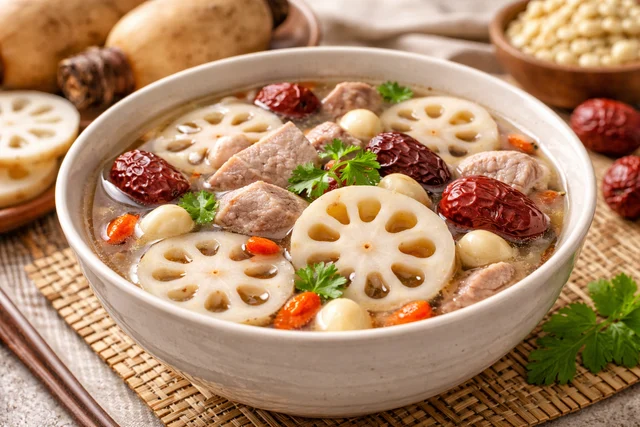
Lotus root soup simmered with lotus seeds, red dates, and lean meat helps nourish the heart and spleen, replenish blood, and promote deeper sleep.
PHOTO: AI
Some simple and easy-to-apply uses.
Lotus root has long been used in many familiar dishes and medicinal remedies:
- Lotus root soup simmered with lotus seeds, red dates, and lean meat: Helps nourish the heart and spleen, replenish blood, and promote deep sleep.
- Fresh lotus root juice (a slice of ginger can be added): Helps to cool the body and reduce internal heat, especially when experiencing nosebleeds.
- Dried lotus root tea: Daily consumption helps to provide mild sedation, support respiratory health, and detoxify the body.
Notes on using lotus root
Because lotus roots grow in mud, the risk of parasitic infection still exists, so it is best to cook them thoroughly, boil water, and properly prepare them when using them fresh.
Additionally, people with diabetes need to control their intake because lotus root contains a relatively high amount of carbohydrates, so it should be used as a partial starch replacement in meals rather than as a side dish. For optimal results, users should still consult a healthcare professional before long-term use.