



High cholesterol silently damages blood vessels and the heart without causing obvious symptoms. While medication may be necessary in some cases, a healthy diet is the foundation for sustainable cholesterol control.
1. Cholesterol – an "invisible" danger that is easily overlooked.
Today, dietary trends like keto, intermittent fasting, and high-protein diets are widely discussed. However, cholesterol – a key factor in cardiovascular health – is often overlooked. Most people have heard of "good" cholesterol (HDL) and "bad" cholesterol (LDL), but not many truly understand how their daily diet directly impacts these levels.
A common misconception is that simply eating "healthily" or controlling weight will stabilize cholesterol. In reality, a diet that works for one person may not be suitable for another's cardiovascular health. Focusing too much on calories or carbohydrates sometimes leads people to overlook the quality of fats and fiber – two key factors in controlling blood lipids.
2. Why is high cholesterol dangerous but difficult to detect?
Unlike many other medical conditions, high cholesterol rarely causes symptoms. Patients don't experience significant pain or fatigue until serious complications like heart attack or stroke occur. This "invisibility" leads many people to be complacent, neglecting regular blood tests or only getting checked when they are concerned.
Meanwhile, processed foods, fried foods, fast food, and seemingly harmless items like cheese or butter, silently increase LDL over time. It's important to note that not only is reducing saturated fat crucial, but the foods used as substitutes also play a vital role. Replacing animal fats with healthy fats and increasing whole grains, vegetables, and fruits can make a big difference to blood lipid levels.
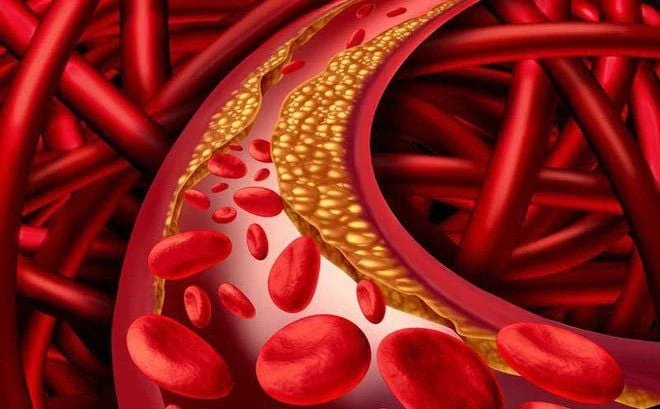
Cholesterol – an "invisible" danger that is easily overlooked.
3. Diet and lifestyle are central pillars in cholesterol control.
Diet plays a central role in controlling cholesterol, not just as well. Cholesterol-lowering medication may be necessary in high-risk cases, but food is what people consume repeatedly every day, throughout their lives.
Making the right food choices and maintaining a consistent diet can help lower LDL, increase HDL, and improve triglycerides. More importantly, this is a sustainable solution that's easy to maintain long-term, especially when combined with physical activity and other lifestyle changes. Awareness begins with understanding that every bite of food impacts your blood vessels; reading food labels, limiting trans fats, reducing saturated fats, and prioritizing soluble fiber are simple yet effective steps.
A 2025 meta-analysis also confirmed that lifestyle change programs, whether applied individually or in combination with medication, help reduce serum cholesterol. In particular, diets emphasizing oats, nuts, avocados, and plant sterols showed LDL-lowering effects comparable to statins in lipid-lowering trials.
According to Dr. Karuna Chaturvedi, Head of Clinical Nutrition at Max Super Speciality Hospital (Noida), cholesterol isn't entirely "the bad guy." It's essential for building cells and producing hormones. The problem only arises when LDL levels are high, causing plaque buildup in blood vessels and the heart. However, daily food choices can significantly impact cholesterol levels and provide long-term benefits for cardiovascular health.
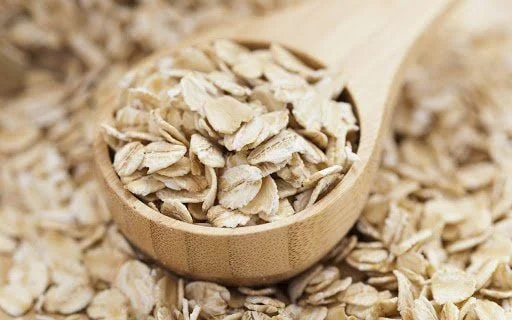
Oatmeal helps reduce cholesterol absorption in the intestines, thereby lowering LDL levels in the blood when consumed regularly.
There are several reasons why cholesterol hasn't received the attention it deserves. First, it's an "invisible" problem. Second, dietary advice is sometimes too complicated or contradictory, causing confusion among people. Third, many people believe that cardiovascular disease is a matter of the future, only occurring in old age.
In fact, controlling cholesterol is a daily task, starting with today's meals. Paying attention to the food you consume each day can protect your arteries in the future. This is one of the most effective and safest ways to prevent cardiovascular disease.
4. Foods that help lower cholesterol
No single "superfood" can solve the cholesterol problem. A healthy, balanced, and long-term eating habit is what truly works. Below are some food groups that have been shown to be beneficial for blood lipid levels:
Whole grains: Oats and barley are rich in soluble fiber, especially beta-glucan. This substance helps reduce cholesterol absorption in the intestines, thereby lowering LDL in the blood when consumed regularly.
Healthy fats: Replacing saturated fats with unsaturated fats from nuts and extra virgin olive oil helps lower LDL without lowering HDL – the "good" cholesterol that is beneficial for cardiovascular health.
Fatty fish rich in omega-3s: Salmon, sardines, and mackerel provide omega-3 fatty acids, which help lower triglycerides, reduce inflammation, and support the protection of blood vessels and the heart.
Vegetables, fruits, and legumes: These foods are rich in fiber, antioxidants, and plant sterols, which contribute to maintaining cholesterol balance and reducing the risk of atherosclerosis.
Garlic and plant-based protein: Adding garlic to meals and increasing your intake of plant-based protein can also help improve blood lipid levels when included regularly in your daily diet.
Controlling cholesterol isn't a short-term campaign, but a long-term lifestyle strategy. Instead of seeking quick fixes, building healthy , balanced, and personalized eating habits will yield more sustainable benefits than any other measure. Paying attention to cholesterol today is the most practical way to protect your heart in the future.