



Excessive hand sweating, while not dangerous, can cause significant inconvenience in daily life, studies, and social interactions. Identifying the causes and applying appropriate care and treatment measures will help control this condition effectively.
Excessive hand sweating, also known as palmar hyperhidrosis, is a condition where the sweat glands are more active than normal, causing the palms to be constantly damp, and may even drip even without strenuous activity or being in a hot environment.
Why do my hands sweat so much?
Excessive sweating of the hands often begins during puberty and tends to persist for many years if left untreated. Although not life-threatening, excessive sweating of the palms can significantly impact the quality of life of those affected.
Many people struggle with daily activities such as holding a pen, using a computer or phone, or grasping objects. In many cases, they also feel shy when shaking hands with others, leading to a lack of confidence in their studies, work, and social relationships.
The exact cause of this condition is still not fully understood. However, many studies suggest that genetic factors may play a significant role. If there is a history of hyperhidrosis in the family, the risk of developing the condition in other family members may also be higher.
In addition, factors such as psychological stress, anxiety, strong emotions, or hormonal changes can also stimulate the sweat glands to become more active. In some cases, excessive hand sweating may also be related to other medical conditions such as endocrine disorders, thyroid disease, or certain neurological disorders.
Therefore, when excessive hand sweating persists and significantly affects daily life, patients should see a doctor for a proper assessment of the underlying cause.
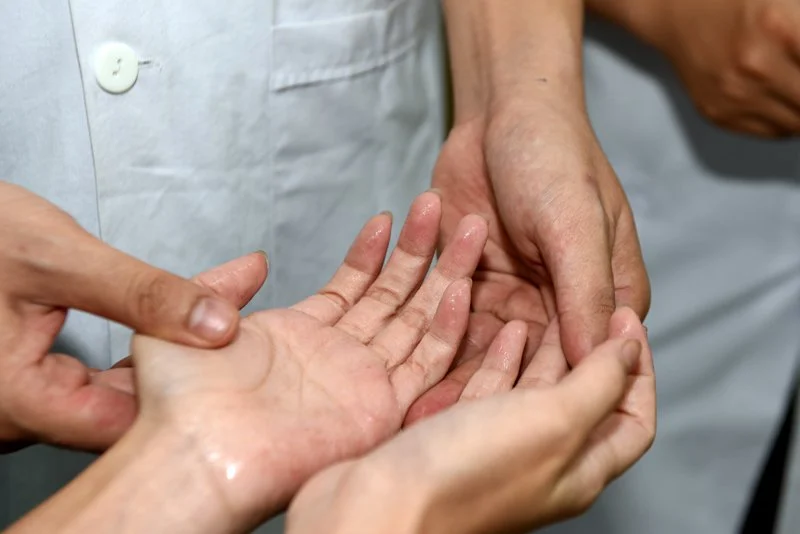
Excessive sweating of the hands, also known as palmar hyperhidrosis.
Measures to help reduce sweaty hands
Currently, there are many methods to help improve the condition of excessive sweating in the palms. Depending on the severity of the condition, sufferers can apply home care measures or undergo specialized treatment as prescribed by a doctor.
One simple measure is to keep hands clean and dry. Patients should wash their hands frequently with mild soap and dry them thoroughly afterward. Maintaining hand hygiene not only reduces the feeling of dampness but also limits the risk of bacteria growing on the skin.
Additionally, patients can use specialized absorbent powders or talcum powders to help keep their palms dry. These products can provide temporary sweat control in situations where needed, such as at work or during social activities.
Some topical solutions containing aluminum salts are also used to help reduce sweat gland activity. However, the use of these products should be done under the guidance of a doctor to ensure safety and effectiveness.
Lifestyle adjustments can improve the condition of sweaty hands.
Besides medical treatments, lifestyle adjustments can also help improve the condition of sweaty hands.
Experts advise patients to limit factors that can stimulate excessive sweating, such as stress, anxiety, or excessive caffeine consumption. Coffee, strong tea, or energy drinks can overstimulate the sympathetic nervous system, leading to increased sweating.
Maintaining a healthy diet, exercising regularly, and getting enough sleep also helps balance the nervous system, contributing to the improvement of excessive sweating.
Additionally, relaxation techniques such as meditation, yoga, or deep breathing exercises can help reduce psychological stress—a factor that often exacerbates excessive sweating.
Current treatment methods
In cases of severe hand sweating that significantly impacts daily life, a doctor may prescribe some more intensive treatments.
One commonly used method is iontophoresis. This method uses a mild electric current to act on the sweat glands, helping to reduce the amount of sweat secreted in the palms of the hands.
Additionally, botulinum toxin (botox) injections can also be used to block nerve signals that stimulate sweat glands. This method can help reduce sweating for a certain period of time.
In particularly severe cases that do not respond to other treatments, sympathectomy may be considered. However, this is an invasive procedure and requires thorough consultation with a specialist before it can be performed.
In summary: Excessive sweating of the palms is a fairly common condition but is entirely controllable if detected and treated properly. A combination of personal care, lifestyle adjustments, and medical treatments can significantly improve this condition.
When noticing that excessive hand sweating is affecting their quality of life, patients should not take it lightly but should seek advice from specialists. Proper treatment not only helps reduce symptoms but also helps patients feel more confident in their daily lives, studies, and work.