The unique hunting habits of the world's strangest-beaked bird.
Vietnam.vn EN
18/02/2026 01:30:00
Pelicans, with their long beaks, elastic throat pouches, and ability to hunt fish in groups and migrate hundreds of kilometers, are important cultural symbols and ecological signals.
The pelican's
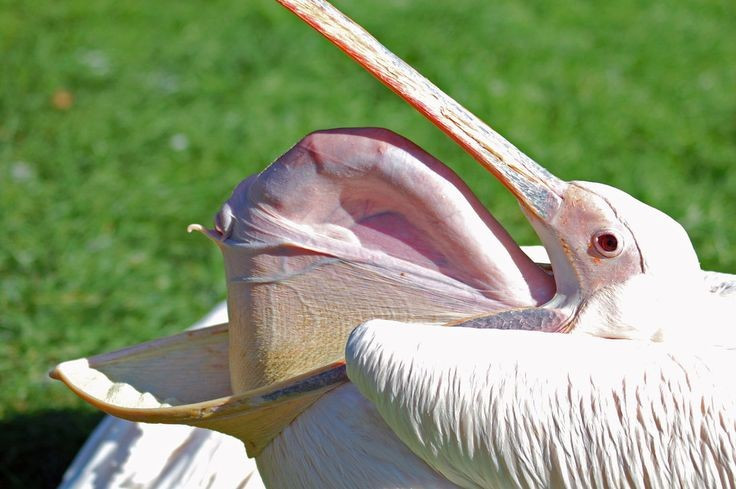
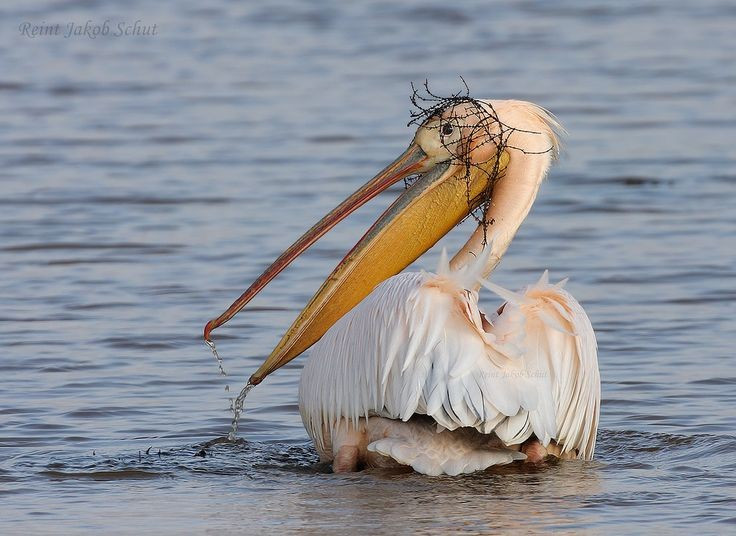
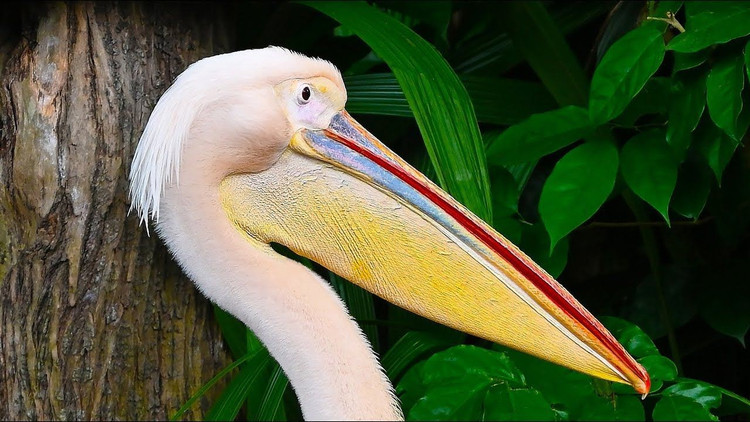
unique beak and throat pouch are truly one-of-a-kind. Its most striking feature is its long beak combined with an elastic skin pouch in its throat, capable of holding significantly more water and fish than its stomach. When hunting, it scoops up entire schools of fish and water, skillfully expelling the water before swallowing its prey. (Image: Pinterest)
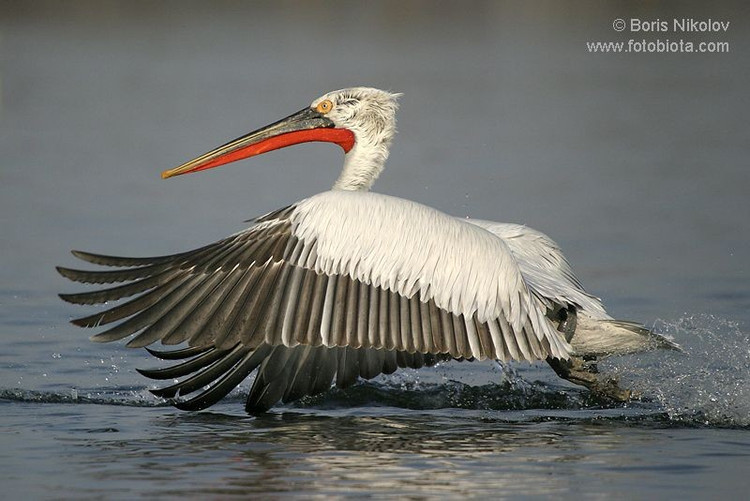
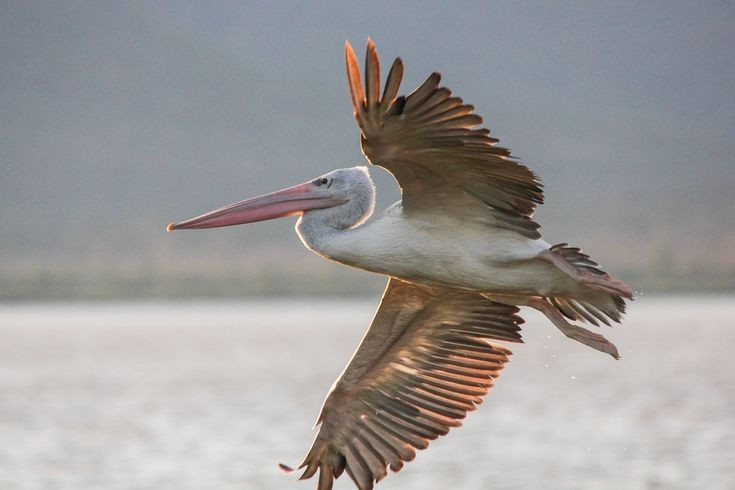
Pelicans are among the largest flying birds in the world . Some species of pelicans, such as the great white pelican, have wingspans of over 3 meters, placing them among the largest flying birds alive. Despite their massive size, they are able to glide gracefully thanks to their technique of utilizing warm air currents. Photo: Pinterest.
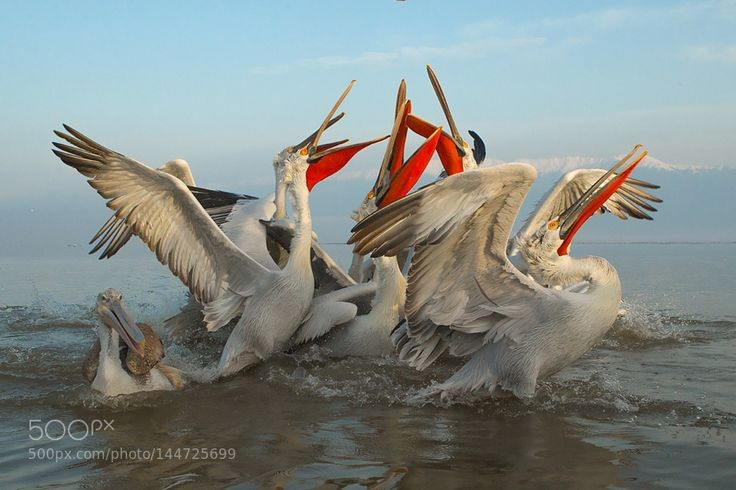
Their group hunting skills are rare. Many species of freshwater pelicans hunt fish in flocks, working together to drive the fish into shallow water before simultaneously scooping up the prey. This coordinated tactic demonstrates a high level of social interaction, distinct from the solitary hunting habits of many other bird species. Photo: Pinterest.
Widely distributed across continents, the Pelicanidae family currently comprises eight species, found from Africa, Asia, Europe to the Americas and Australia. They adapt to a wide range of environments, from inland freshwater lakes to saline coastal areas. Photo: Pinterest.
Their incredible long-distance flight capabilities. Pelicans are excellent migrants, able to fly hundreds of kilometers a day when moving between breeding and wintering grounds. They often fly in V-shaped formations to reduce air resistance and conserve energy. Photo: Pinterest.
Pelicans breed collectively. Many species build large flocks, sometimes numbering in the thousands. The nests are often built on the ground, low trees, or small islands, reducing the risk of predator attacks. (Photo: Pinterest)
Pelicans
are a long-standing cultural and religious symbol. In many cultures, pelicans are associated with sacrifice and nurturing. In medieval Europe, they were once seen as symbols of selflessness and maternal love, appearing in art and heraldry. Photo: Pinterest.
An ecological indicator of wetlands. The presence and number of pelicans directly reflect the health of the aquatic ecosystem. When fish stocks decline or the environment becomes polluted, pelican populations often drop rapidly, becoming a warning sign for humans. Photo: Pinterest.
This article is provided by Vietnam.vn EN, authorized for use, and represents solely the author’s personal opinions. Please contact us in the event of any potential infringement.