



Some types of tea contain antioxidant and anti-inflammatory compounds that can enhance liver function, support liver detoxification, and contribute to reducing oxidative stress and improving related metabolic disorders.
The liver plays a central role in metabolism, detoxification, and maintaining homeostasis. With the increasing prevalence of non-alcoholic fatty liver disease (NAFLD) and other metabolic disorders, many people are turning to natural remedies like tea to support liver health. Some teas contain bioactive compounds that can help reduce inflammation, limit cell damage, and improve metabolism, aiding the liver in detoxification.
Here are six popular types of tea that contain bioactive compounds that may help reduce inflammation, limit liver cell damage, and improve metabolism, all of which are good for the liver:
1. Certain types of tea support liver detoxification.
1.1 Green tea, rich in catechins, supports liver detoxification.
Green tea contains catechins – a group of antioxidants that can protect cells from damage caused by free radicals. Studies show that regularly drinking green tea is associated with a lower risk of liver cancer.
In individuals with non-alcoholic fatty liver disease (NAFLD), green tea may help lower liver enzymes, particularly ALT and AST. However, in healthy individuals, some studies have noted a slight but clinically insignificant increase in liver enzymes. This suggests that the effects of green tea depend on the individual's initial health status. Therefore, it should be consumed in moderation (1–3 cups/day) rather than excessively.
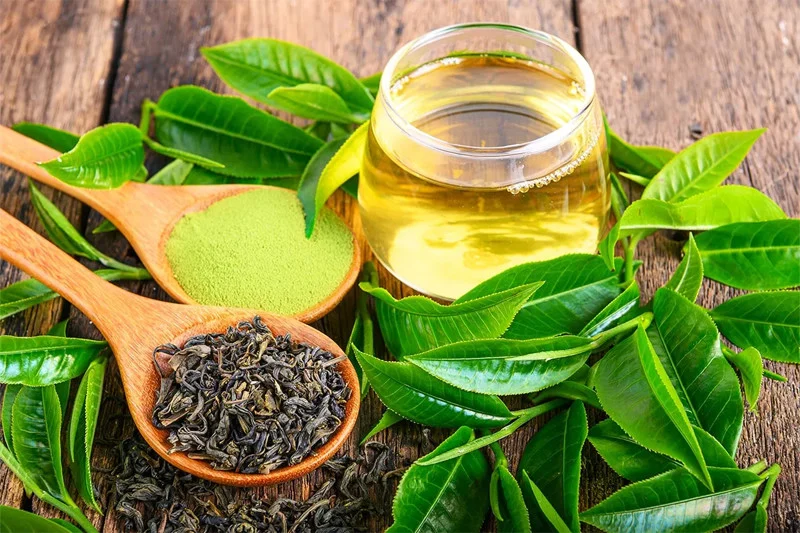
Green tea – a beverage that enhances liver function and supports liver detoxification.
1.2 Milk thistle tea helps protect liver cells.
Milk thistle is a well-known traditional medicine containing silymarin, an antioxidant that protects liver cells. Some small studies have shown that silymarin supplementation may reduce liver enzymes and triglycerides in people with NAFLD, even without changes in diet or exercise. However, larger meta-analyses have shown only mild effects and not strong enough to replace standard treatments.
Therefore, milk thistle tea can be considered a way to enhance liver function and support liver detoxification, but it is not a primary treatment method.
1.3 Ginseng tea has the potential to reduce inflammation and liver fibrosis.
Ginseng contains ginsenosides – compounds with anti-inflammatory and antioxidant properties. Preliminary studies suggest that ginsenosides may help reduce inflammation, limit fibrosis, and prevent fat accumulation in the liver. For people with NAFLD, these mechanisms may contribute to slowing disease progression. However, current evidence is limited and insufficient for widespread recommendations.
Additionally, ginseng can interact with certain medications and, in rare cases, may affect the liver. Therefore, it is necessary to consult a healthcare professional before long-term use.
1.4 Black tea supports metabolism and reduces the risk of fatty liver disease.
Black tea is rich in polyphenols – compounds with antioxidant and anti-inflammatory properties, and which also support metabolic health. Some observational studies suggest that drinking more than 3 cups of black tea per day is associated with a lower risk of NAFLD and milder levels of cirrhosis in people who already have the disease. However, this is only an association, not a proven causal relationship.
Therefore, black tea can be part of a healthy diet, but it should not be considered a treatment.
1.5 Hibiscus tea is beneficial for cardiovascular health and metabolism.
Hibiscus tea contains anthocyanins – antioxidants that can help lower blood pressure, improve blood lipid levels, and control blood sugar. These factors are closely linked to liver health, especially in NAFLD – a disease often associated with obesity, type 2 diabetes, and dyslipidemia.
However, studies on the direct effects of hibiscus on the liver are limited, mostly small-scale or with varying designs. Therefore, more evidence is needed to clearly confirm its role.
1.6 Ginger tea reduces inflammation and helps improve liver enzymes.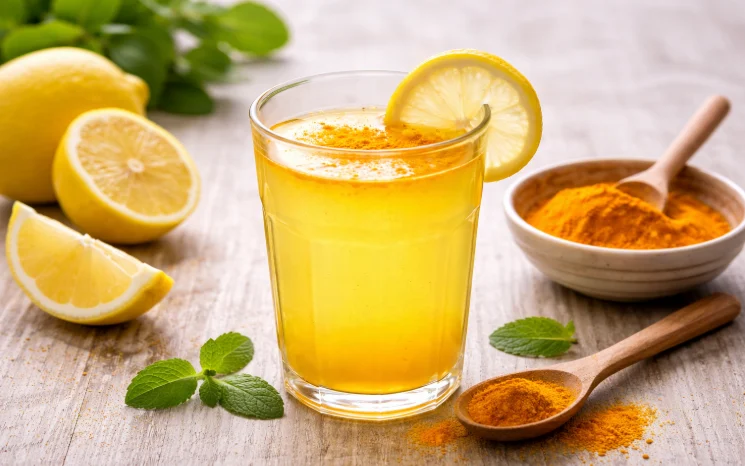
Ginger is a familiar ingredient with strong anti-inflammatory and antioxidant properties. Ginger tea can help neutralize free radicals, thereby reducing liver cell damage. Some studies show that ginger supplementation helps lower ALT liver enzymes and improve insulin resistance – a key factor in NAFLD. Additionally, ginger may reduce the risk of cardiovascular complications associated with liver disease.
Ginger is generally safe and has few side effects. However, people who are taking medication or have underlying medical conditions should consult their doctor before using it regularly.
2. Notes on drinking tea to support liver detoxification and protect the liver.
Although these teas may be good for liver health and support liver detoxification, improper use can be harmful.
Some points to note:
- Avoid overusing "liver detox" teas: These products often contain many concentrated ingredients or extracts that can cause liver damage if used for extended periods.
- Avoid high doses of herbal extracts: High doses of herbal supplements carry a risk of liver toxicity, especially when their origin is not controlled.
- Prioritize pure, single-ingredient teas: This helps reduce the risk of interactions and side effects.
- Drink in moderation: About 1–3 cups per day is reasonable for most adults.
- Combining a healthy lifestyle with a balanced diet, reduced alcohol consumption, and increased physical activity remains crucial in protecting the liver.
These types of tea may offer certain benefits to the liver due to their antioxidant and anti-inflammatory properties, supporting liver detoxification... but their effects are primarily supportive and do not replace medical treatment. The use of tea should be accompanied by proper understanding and caution, especially avoiding "detox" products with unknown ingredients. For long-term liver protection, the most important thing remains maintaining a healthy lifestyle and controlling metabolic risk factors.