



A dangerous characteristic of liver diseases is that many cases progress silently over a long period. By the time symptoms become apparent, liver damage may have already reached an advanced stage.
When the following symptoms appear, sufferers should not take them lightly because the liver problem may be at a dangerous level.
Jaundice, yellowing of the eyes
Jaundice is one of the most easily recognizable signs of advanced liver disease. This condition occurs when the skin and whites of the eyes turn yellow due to the buildup of bilirubin in the blood. Bilirubin is a bile pigment produced when the body breaks down old red blood cells. Once produced, bilirubin is transported to the liver for processing, according to the health website Medical News Today (UK).
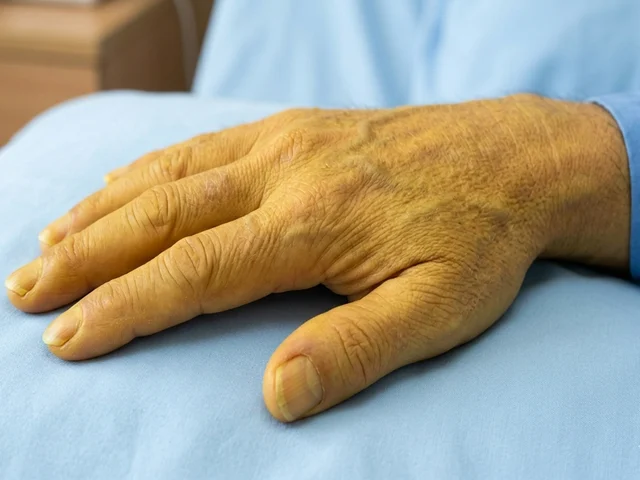
Jaundice is one of the warning signs that the liver is having serious problems. ILLUSTRATIVE PHOTO: AI
When the liver is inflamed, fibrotic, or dysfunctional, the metabolism and excretion of bilirubin are disrupted. As a result, bilirubin accumulates in the blood and deposits in the skin and eyes. In addition to jaundice, patients may also notice dark urine, pale stools, or itchy skin.
Jaundice doesn't always mean liver failure. This symptom is particularly concerning when accompanied by other symptoms such as pain in the upper right abdomen, nausea, and fatigue.
Abdominal distension due to fluid accumulation.
Another symptom that may signal serious liver disease is abdominal distension due to fluid accumulation in the abdominal cavity, known as ascites. This is a condition where fluid leaks from the surface of the liver and blood vessels in the abdominal cavity, causing the abdomen to swell abnormally.
Ascites (fluid accumulation in the abdomen) usually occurs when liver disease has progressed to a severe stage, especially in people with cirrhosis. In this case, scarred liver tissue obstructs blood flow through the liver, causing increased pressure in the portal vein. This increased pressure causes fluid to leak from the blood vessels and gradually accumulate in the abdominal cavity, resulting in ascites.
Patients may notice rapid abdominal enlargement, a feeling of fullness or heaviness in the abdomen. In severe cases, the large amount of fluid accumulated can cause shortness of breath.
Vomiting blood or passing black stools
Gastrointestinal bleeding is a serious complication that can occur in people with late-stage liver disease. When the liver is severely cirrhotic, blood flow from the intestines to the liver is obstructed. This increases pressure in the portal vein and causes the small veins in the esophagus or stomach to swell. These veins have very thin walls and are fragile.
If a vein ruptures, the patient may vomit blood or have black, tarry stools. In addition to vomiting blood, other signs may include dizziness, pale skin, thirst, or low blood pressure due to blood loss. This is a medical emergency. The patient needs to be taken to the hospital immediately, according to Medical News Today.