The Dogger Bank offshore wind farm in the North Sea is nearing completion and is expected to supply electricity to more than 6 million households, playing a crucial role in Europe's clean energy transition strategy.
A mega-project that will change the landscape of clean energy.
The Dogger Bank wind farm is not only a massive project, but also marks a significant step forward in the global transition to clean energy.
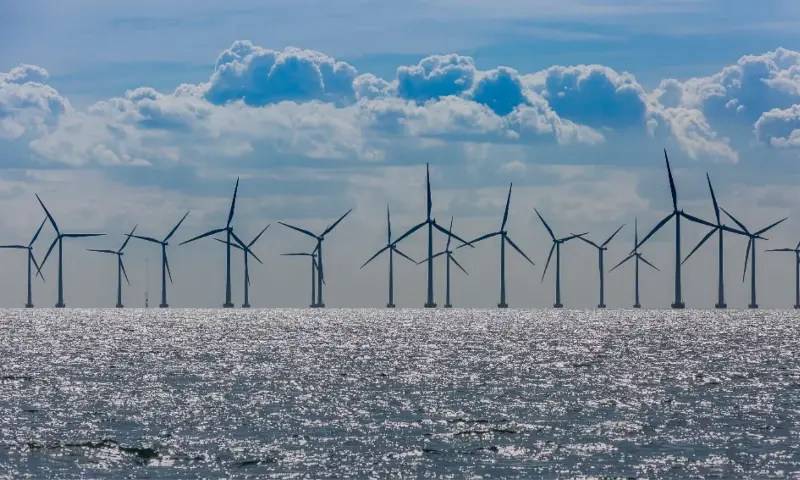
Located on Dogger Bank, about 130km off the east coast of Yorkshire (England), the project is divided into three phases A, B, and C with a total capacity of 3.6 GW, enough to supply electricity to more than 6 million households.
After years of construction in the harsh conditions of the North Sea, the first phase began generating electricity in late 2023, while the remaining two phases have now completed most of their foundations, platforms, and underwater cable connections.
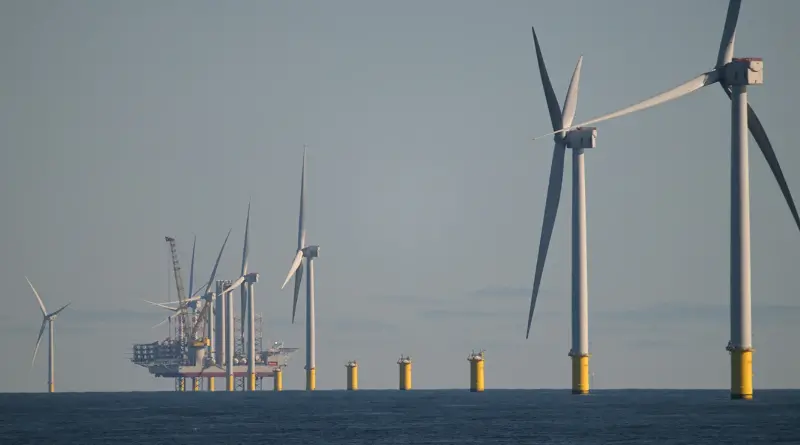
The developer expects the entire project to be fully operational by 2026, officially naming Dogger Bank as the world's largest wind power plant and marking a significant step in the UK and Europe's clean energy transition strategy.
One factor that makes Dogger Bank special is the application of a high-voltage direct current (HVDC) transmission system. This is the first time HVDC technology has been successfully deployed to connect a large-scale wind power project to the national grid in the UK, enabling the transfer of electricity from offshore to onshore with minimal energy losses.
More than just an energy project, Dogger Bank also brings remarkable technological breakthroughs. The project utilizes hundreds of GE Vernova Haliade-X 13 MW and 14 MW wind turbines, each with blades over 107 meters long, significantly taller than traditional turbines previously installed.
According to the manufacturer, one rotation of the propeller can generate enough electricity to power a household for about two days, under standard wind conditions.
More than just a symbol of scale, Dogger Bank has created far-reaching socio -economic impacts.
According to an independent report, this project will boost economic growth for the UK with an expected GDP value of over £6.1 billion over its operational lifespan, creating thousands of green jobs and supporting clean supply chains in the North Coast regions of England for decades to come.
The impact extends beyond the power source.
The Dogger Bank is not only changing the way electricity is produced, but is also fostering an entire new industrial ecosystem.
The deployment of HVDC technology and high-power turbines has enabled many engineering, operating, and component manufacturing companies worldwide to quickly catch up with the new standards in the renewable energy industry.
This will not only improve efficiency but also help reduce the production and operating costs of future wind power projects.
The underground transmission cable system from Dogger Bank also requires extremely complex technology. The HVDC Light system and unmanned substation platform, used for the first time in this project, help increase power transmission efficiency, minimize losses, and increase the stability of the national power grid.
With Dogger Bank fully operational, the project will provide a clean energy source that could replace a significant portion of the electricity generated from fossil fuels in the UK. This is a crucial step in the government 's strategy to achieve carbon neutrality by 2050.
The project's presence also contributes to reducing dependence on fossil fuel imports, helping to increase national energy security.
Dogger Bank is also serving as a "school in the dark" for engineers, policymakers, and energy experts worldwide, providing lessons on how to manage, build, and operate large-scale renewable energy projects in harsh environments such as offshore.
According to Doggerbank.com