



Blaming Sir Alex Ferguson is simply avoiding the truth: MU's problems lie in governance and poor decisions made in the post-Ferguson era, not in an icon who left the coaching seat more than a decade ago.
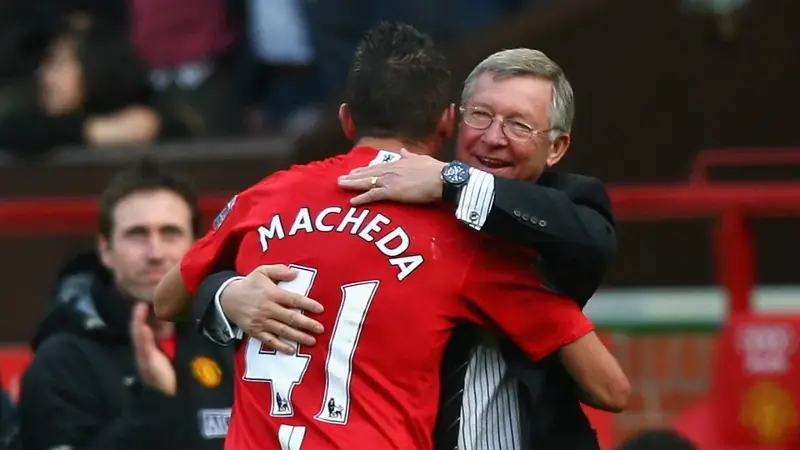
Sir Alex Ferguson was once a legend of Manchester United.
Every time Roy Keane appears on television, the debate surrounding Sir Alex Ferguson reignites. This time, Keane chose the harshest language, describing his former manager as "lingering like a foul stench."
That statement was shocking, easily spread, and fit the logic of multi-platform media. But it was wrong. Because if you needed to find a "problem" at Manchester United, Ferguson wasn't on that list.
Heritage is not shackles.
Ferguson retired nearly 13 years ago. He no longer runs a team, makes personnel decisions, or stands on the touchline.
Sir Alex's presence today is merely that of a special spectator, a historical icon. Attributing blame to this icon simplifies a complex problem while obscuring the true reasons behind Manchester United's decline.
Manchester United's history has undergone a similar test. When Ferguson took over the club in 1986, he stepped into the enormous shadow of Sir Matt Busby. Busby didn't disappear, he wasn't pushed to the sidelines. He remained present, still revered.
But Ferguson didn't see it as a burden. He embraced tradition, then surpassed it with ability and time. Legacy, if one has enough courage, can become a springboard, not shackles.
That was true for Ferguson back then, and even more so for Manchester United today. The club's problem isn't "Ferguson's shadow," but rather the lack of someone with the ability and authority to usher in a new era.
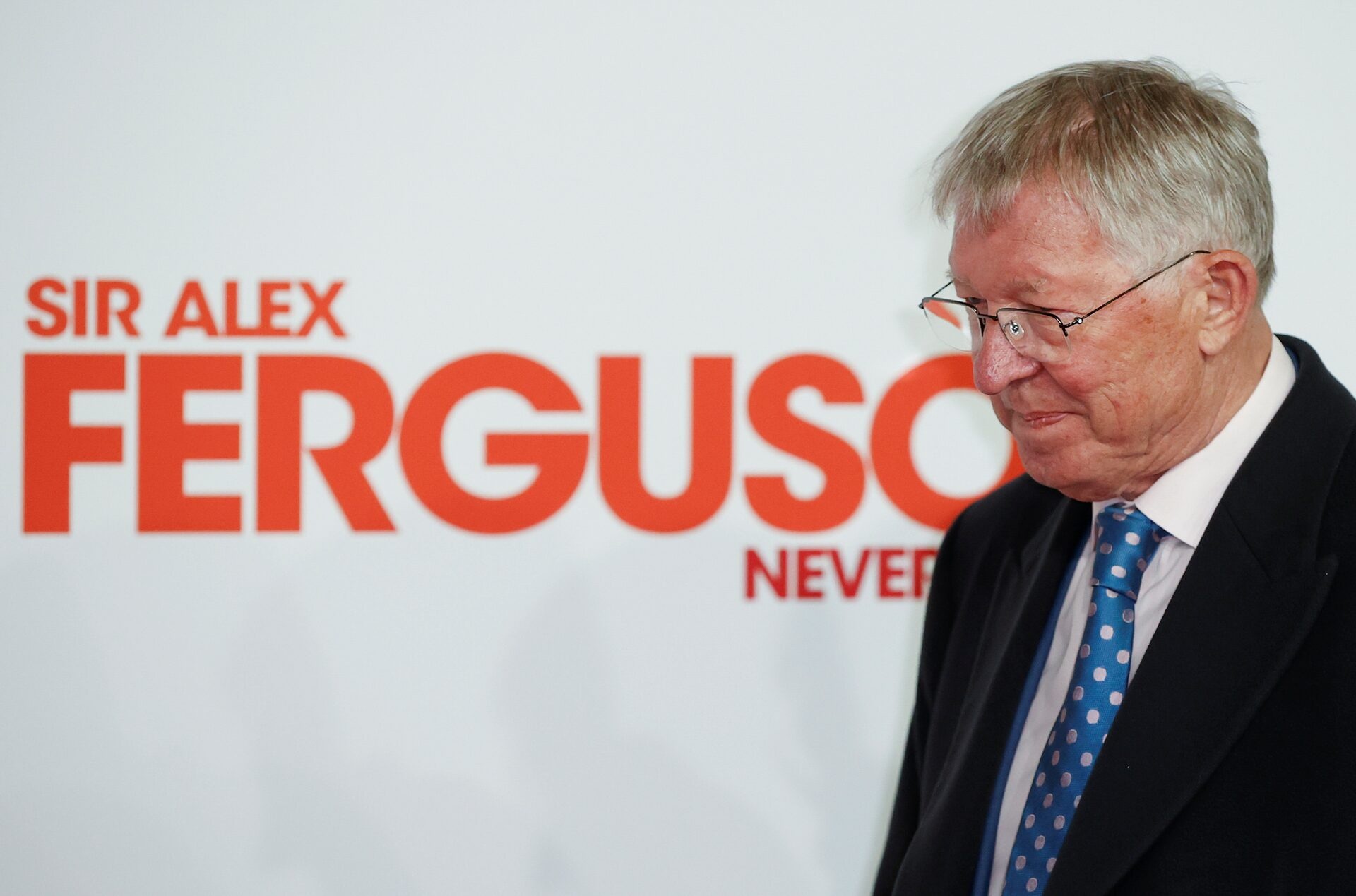
Sir Alex Ferguson left Manchester United a long time ago.
When a team constantly has to turn to the "archive" of former Ferguson-era players to find a replacement manager, it's not evidence of past interference, but rather a sign of present stagnation.
In fact, Ferguson remained almost completely silent about the team's problems for many years. That silence was sometimes interpreted as complicity, or even as being "bought."
But let's face it: what obligation does an 84-year-old, who has lost his spouse and completed the greatest career in English football history, have to step in and rescue a governance structure over which he no longer has control?
If legacy is the issue, then why haven't other big clubs collapsed because of their past? Liverpool didn't crumble because of Bill Shankly or Bob Paisley. Real Madrid didn't tremble because of Di Stefano. The problem isn't history, but how the present confronts that history.
The responsibility lies with those currently in power.
Manchester United's decline is due to those in charge, not those who have left. The Glazer family is at the root of more than two decades of stagnation, with a financial exploitation model that has led the club astray from its sporting direction.
The arrival of INEOS was expected to usher in a new chapter, but haphazard decisions, power struggles, and prolonged hesitation have caused Manchester United to continue to stumble.
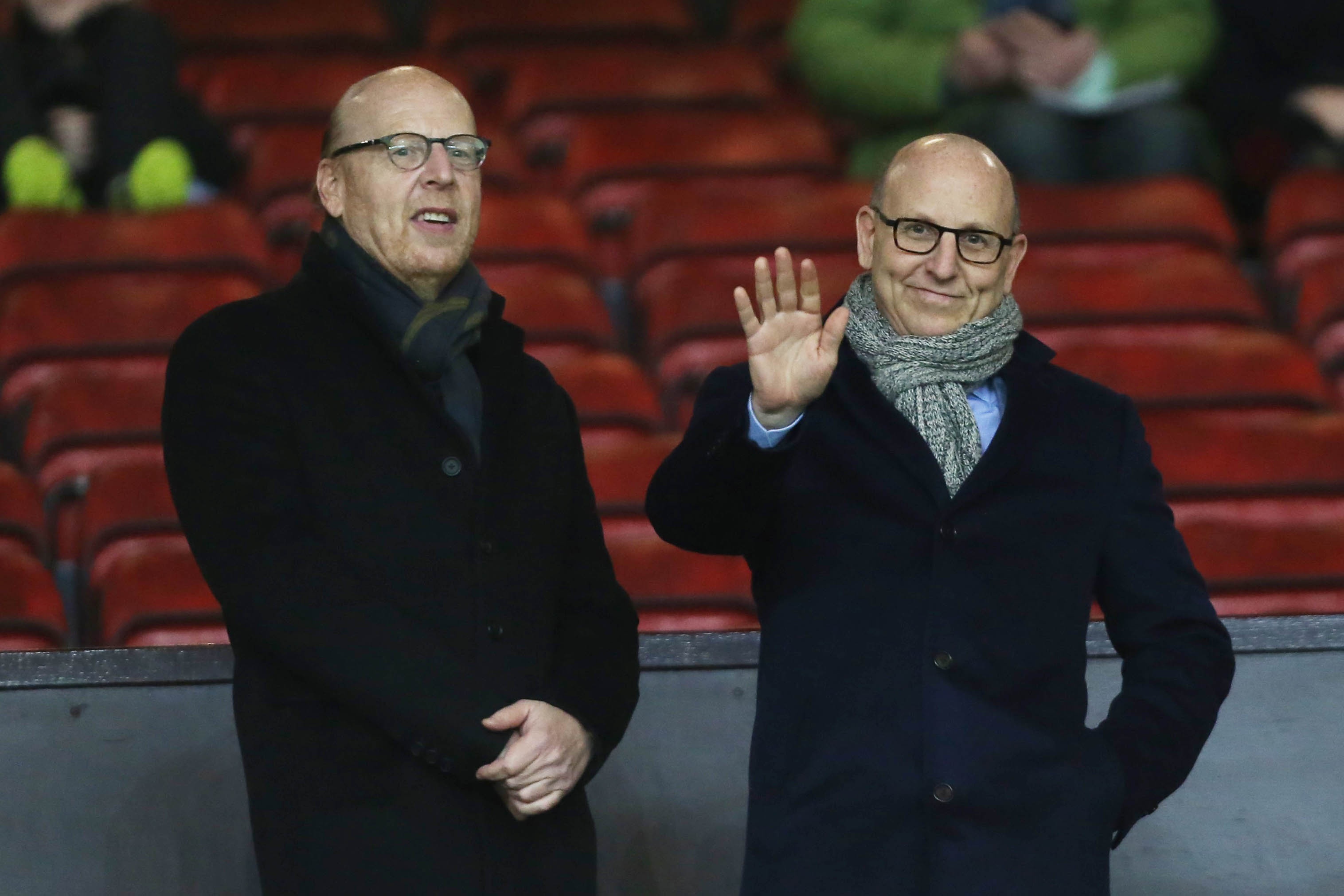
The Glazer family is the real problem for MU.
Appointments and dismissals, empowerment and withdrawal, allowing internal power struggles to dominate football strategy – these are the real "unpleasant smells." In this context, blaming Ferguson is like blaming a mirror for reflecting the grimace of the present.
Roy Keane had every right to carry personal resentment. His 2005 departure from Manchester United was a deep wound. But Keane himself, with his characteristically cold and detached style of commentary, must have understood that Ferguson did exactly what Keane himself had always advocated: put the team's interests above personal ones.
Ironically, Keane criticized Ferguson using the very same harsh standards that Ferguson praised when talking about rebuilding.
As for Ferguson, if he "intervened" at all, it was only to offer advice when asked. He wasn't at Carrington every day. He didn't set up the team. He didn't sign contracts. Occasionally consulting an icon is normal at any big club. Refusing to listen to history is a sign of immaturity.
One day, Manchester United will have a manager strong enough to render questions about Ferguson irrelevant, just as Ferguson did with Busby. At that point, his legacy will be in its rightful place: respected, not exploited. Then, today's accusations will lose their value.
Blaming Sir Alex Ferguson might generate catchy headlines, but it won't move Manchester United forward. To fix things, the club must look at the current power structure, the decision-making framework, and the accountability of those at the helm. As long as United continues to confuse symbolism with cause, they will remain lost.