The evolutionary journey of horses: from multiple toes to sturdy hooves.
Vietnam.vn EN
19/02/2026 08:07:00
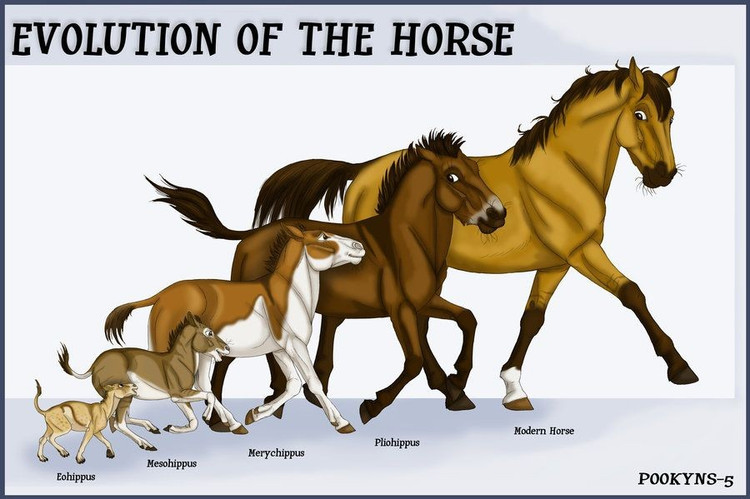
From their multi-toed ancestors, horses have evolved to adapt to open environments, accelerate quickly, and achieve superior survival on vast grasslands.
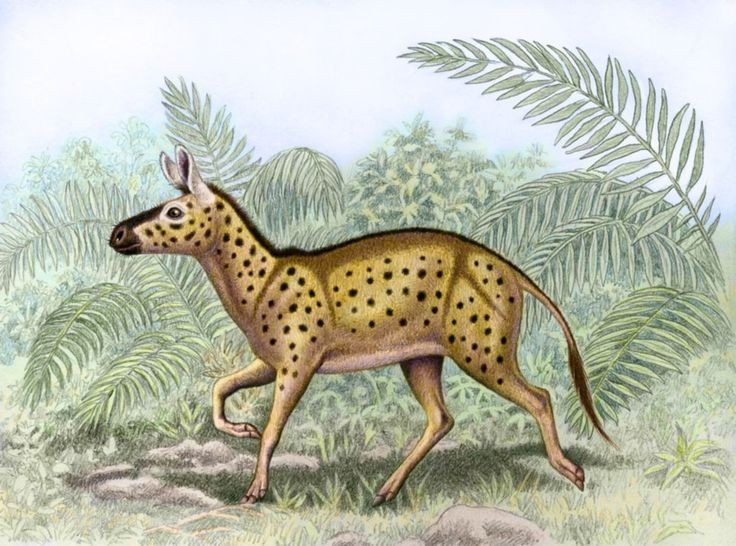
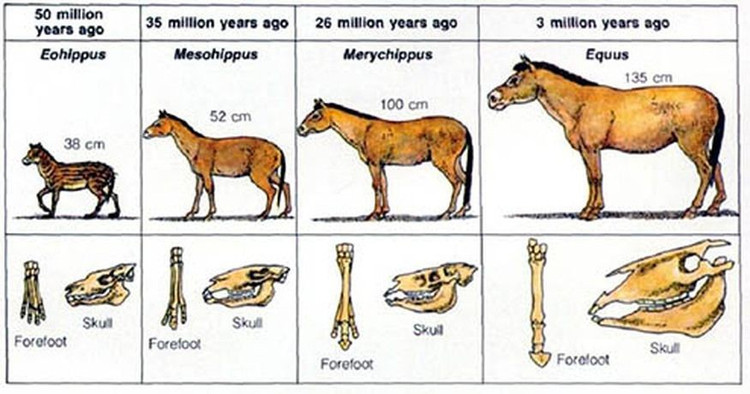
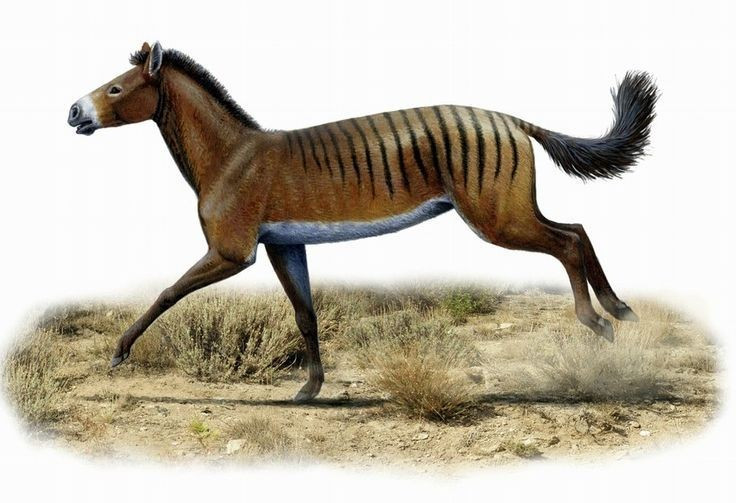
Our multi-toed ancestors lived in dense forests. The earliest ancestors of horses lived in humid, dense forests, having four toes on their front feet and three on their hind feet, which helped distribute weight and move steadily on soft ground. Photo: Pinterest.
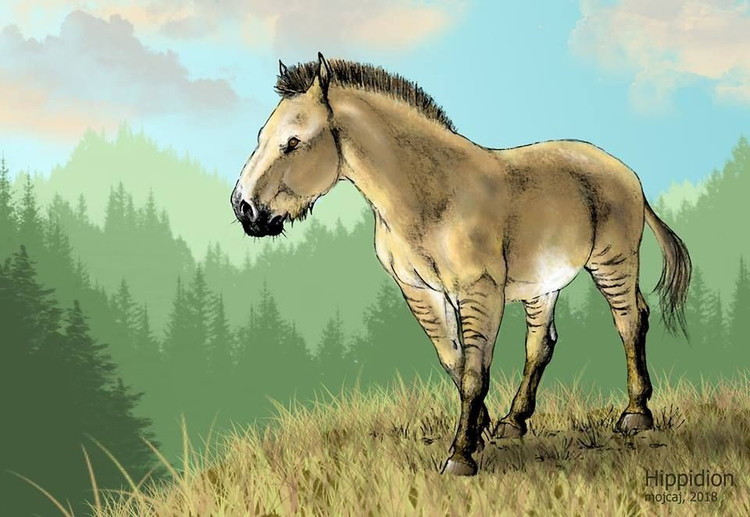
Global climate change. As the Earth became drier during the Oligocene and Miocene epochs, forests shrank and grasslands expanded, forcing our horse ancestors to adapt to a more open environment. Photo: Pinterest.
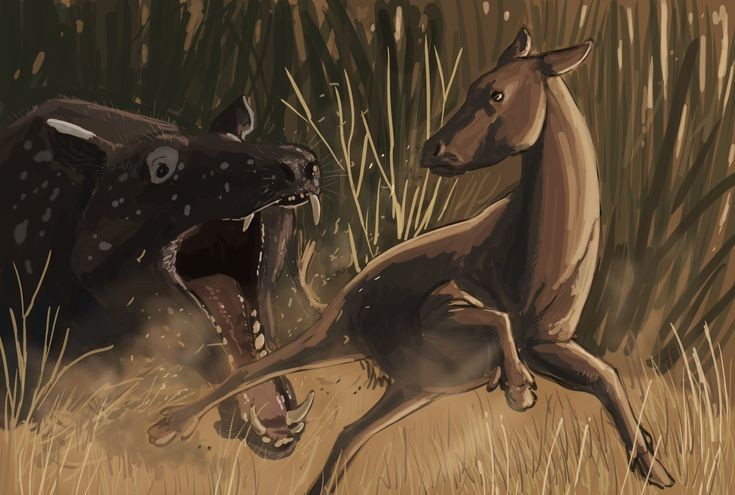
Pressure from predators. The open savanna makes horses easily spotted, so speed becomes a crucial factor for survival, driving the selection of individuals that are faster and more enduring. Photo: Pinterest.
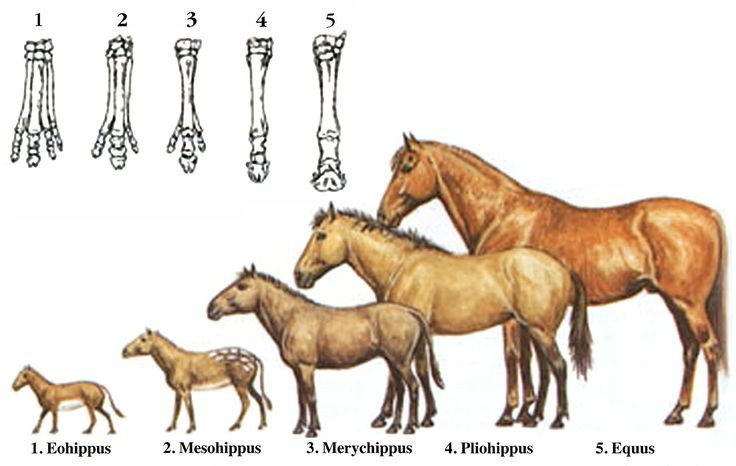
The lateral fingers gradually shrink. Over time, the lateral fingers become smaller, no longer touching the ground, while the middle finger grows strong, bearing the entire body weight. Photo: Pinterest.
Strengthening bone and tendon structure. Concentrating force on one toe helps the leg bones lengthen and become lighter, while the elastic tendon system develops, supporting faster running and conserving energy. Photo: Pinterest.
The hard hooves formed. The middle finger evolved into a large, hard hoof that protected the bone and withstood strong impacts when running on the hard ground of the steppe. Photo: Pinterest.
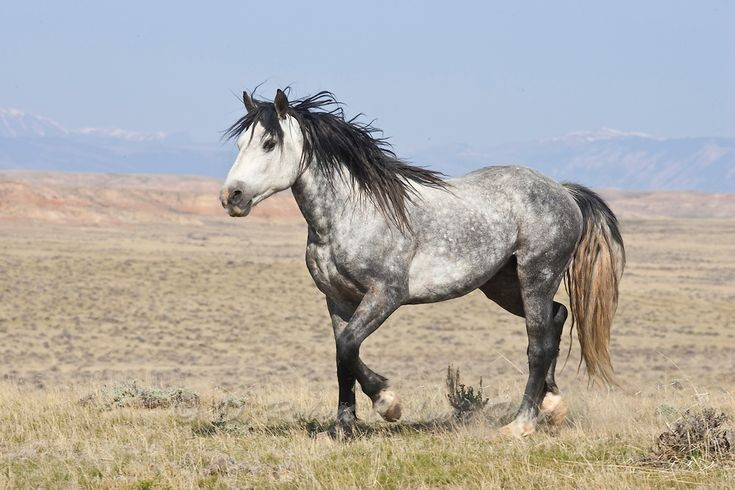
Remnants of evolution remain. In modern horses, the accessory toe bone did not disappear completely but persists as a reduced bone, running along the tibia. Photo: Pinterest.
Superior survival advantage. The single-toe structure helps horses achieve high speeds and travel long distances efficiently, contributing to the evolutionary success and spread of the species throughout
the world . Photo: Pinterest.
This article is provided by Vietnam.vn EN, authorized for use, and represents solely the author’s personal opinions. Please contact us in the event of any potential infringement.