



The development of technology is bringing artificial intelligence closer to the ability to recognize and respond to human emotions, opening up new application avenues in healthcare, education, and services.
Artificial intelligence (AI) is entering a new phase of development, moving beyond data processing to include the ability to recognize and respond to human emotions. This is considered a significant step forward in improving the quality of interaction between humans and machines.
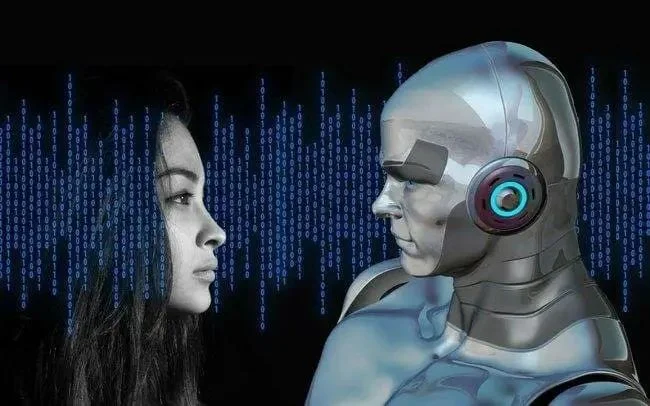
In the healthcare field, this technology is expected to support the monitoring of patients' psychological state, especially in cases requiring continuous observation. AI can detect early signs of emotional abnormalities, thereby assisting doctors in assessing and developing appropriate treatment plans.
In the field of education , emotional AI helps personalize the learning process by identifying learners' levels of focus, interest, or stress. This allows for adjustments to teaching content and methods to enhance learning effectiveness.
Furthermore, in the service industry, the application of emotional AI can help businesses better understand customer needs and moods, thereby improving service quality and optimizing the customer experience.
However, the development of this technology also poses many challenges, particularly regarding privacy and ethics. The collection and processing of emotional data requires strict regulations to ensure information security and prevent misuse.
Experts believe that, despite many areas needing improvement, emotional AI remains an inevitable development trend, contributing to expanding the application possibilities of artificial intelligence in daily life and many socio-economic fields.
Nguyen Bach