



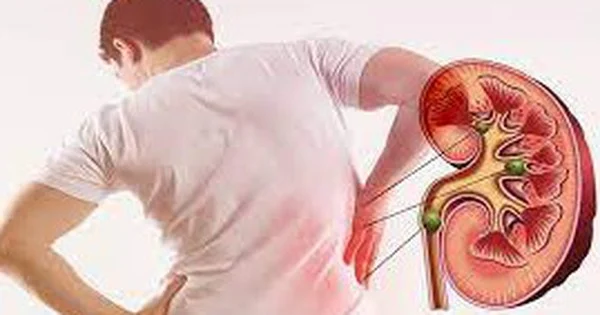
Kidney stones are one of the common urinary tract diseases, and their incidence has been increasing in recent years due to lifestyle changes.
The ability of kidney stones to pass naturally depends on several factors, the most important of which are the size and location of the stone. Understanding these factors will help patients receive appropriate monitoring and treatment, avoiding dangerous complications.
Is it possible for kidney stones to be naturally eliminated?
Kidney stones form when minerals and salts in urine crystallize together, creating solid crystals in the kidneys. Over time, these crystals can grow into stones of varying sizes.
Some common causes of kidney stone formation include insufficient water intake, a diet high in salt and protein, metabolic disorders, or urinary tract infections. When stones move from the kidney down the ureter, patients may experience characteristic renal colic pain.
Not all cases of kidney stones require immediate medical intervention. In fact, many small stones can pass out naturally through urination if conditions are favorable.
Location of the stones:
- Location is a crucial factor affecting the mobility of stones.
- If the stone is located in the lower part of the ureter, near the bladder, the chances of spontaneous expulsion are higher due to the shorter travel distance and less obstruction.
Conversely, if the stones are located deep within the kidney or in narrow, tortuous sections of the ureter, their removal will be more difficult and take longer.
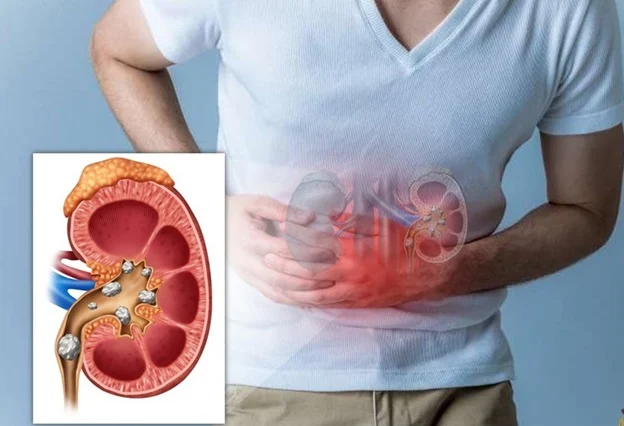
Kidney stones can be passed out naturally in some cases, especially when they are small and in a favorable location.
Size of the pebbles: Size is the primary determining factor in the ability to self-eliminate
- Stones under 4 mm: Have a high chance of spontaneous elimination, usually within a few weeks to a month.
- Stones measuring 4-6 mm: The likelihood of spontaneous elimination is reduced; monitoring or medical assistance may be required; the elimination time is longer.
- Stones larger than 6 mm: Unlikely to pass naturally, most cases require intervention with treatment methods.
How long does it take for kidney stones to pass out naturally?
The time it takes for kidney stones to pass out naturally is not fixed and varies from patient to patient.
For small stones under 4 mm, the elimination process usually takes from a few days to 4 weeks. During this time, patients may experience symptoms such as dull pain in the back, painful urination, or frequent urination as the stones move.
For stones measuring 4-6 mm, the elimination time can be longer, even up to several months. However, the likelihood of spontaneous elimination in this group is not high and requires close monitoring.
In cases where the stones are larger than 6 mm, the chances of them passing out on their own are very low. If left untreated, the stones can obstruct the urinary tract and lead to many dangerous complications.
Signs that indicate kidney stones
When kidney stones begin to move from the kidney down the ureter, patients may experience several typical symptoms:
- Sharp pain in the lower back or hip, the pain may radiate to the lower abdomen or groin area.
- Painful urination, frequent urination, or blood in the urine.
- Nausea and vomiting due to severe pain.
- Burning sensation when urinating
- These symptoms usually occur in episodes, and the level of pain can increase or decrease depending on the location and size of the stone.
Although some small stones may pass out on their own, patients should not be complacent. They should seek medical attention immediately if they experience any of the following symptoms:
- Severe, persistent pain that doesn't subside.
- High fever and chills - signs of infection.
- heavy blood in urine
- Urinary retention or very little urination
This could be a sign of complications such as ureteral obstruction or urinary tract infection, which require prompt intervention.
Complications if not treated properly.
If kidney stones are not properly monitored and treated, patients may experience many dangerous complications:
- Urinary tract obstruction: Causes fluid buildup in the kidneys, leading to impaired kidney function.
- Urinary tract infection: This can spread and cause sepsis.
- Kidney failure: Occurs when the blockage is prolonged.
These complications can seriously affect health, and even threaten life if not treated promptly.
What can be done to help kidney stones pass naturally?
In cases where the stones are small and have not caused complications, patients can apply some measures to support the elimination process:
- Drink plenty of water (2-3 liters per day) to increase urine output.
- Gentle exercise such as walking can help move the stones.
- Following your doctor's instructions, you may use ureteral smooth muscle relaxants.
However, the application of these measures requires consultation with a doctor to ensure safety.
In summary: Kidney stones have a high recurrence rate if lifestyle changes are not made. Therefore, prevention plays a crucial role. People should maintain the habit of drinking enough water every day, limit salt intake, reduce foods rich in oxalate and animal protein. At the same time, they should increase physical activity and have regular health checkups.
Kidney stones can be passed out spontaneously in some cases, especially when they are small and in a favorable location. However, the time it takes to pass can range from a few days to a few weeks, or even longer depending on the individual case.
Close monitoring and timely examinations are crucial in helping patients avoid complications. When any unusual symptoms appear, patients should not delay seeking medical attention for appropriate advice and treatment.
Taking proactive steps to care for your health and maintaining a healthy lifestyle is key to effectively preventing and controlling kidney stones.