The fascinating story of sponges shaped like ancient wine bottles.
Vietnam.vn EN
03/03/2026 05:42:00
Discover the unique structure and ecology of the wine sponge, a marine organism without a nervous system that contributes to cleaning the ocean.
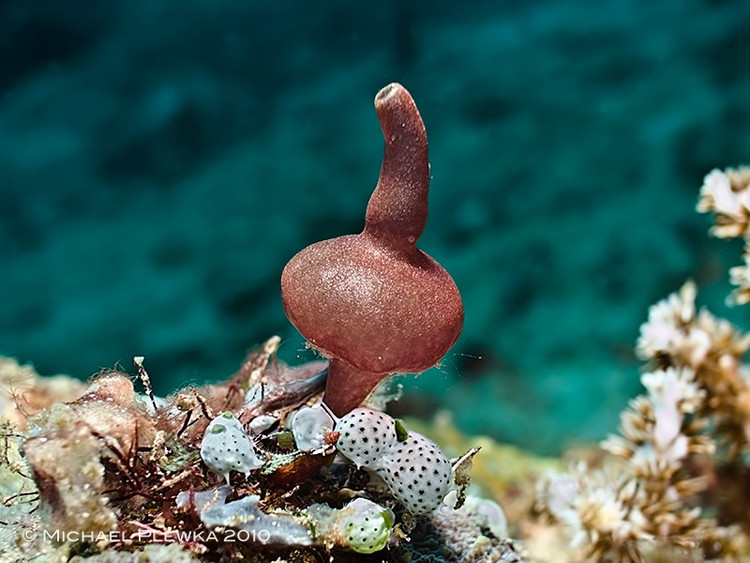
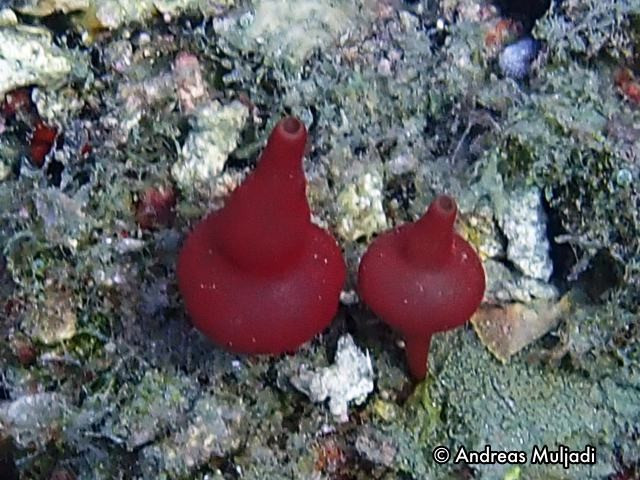
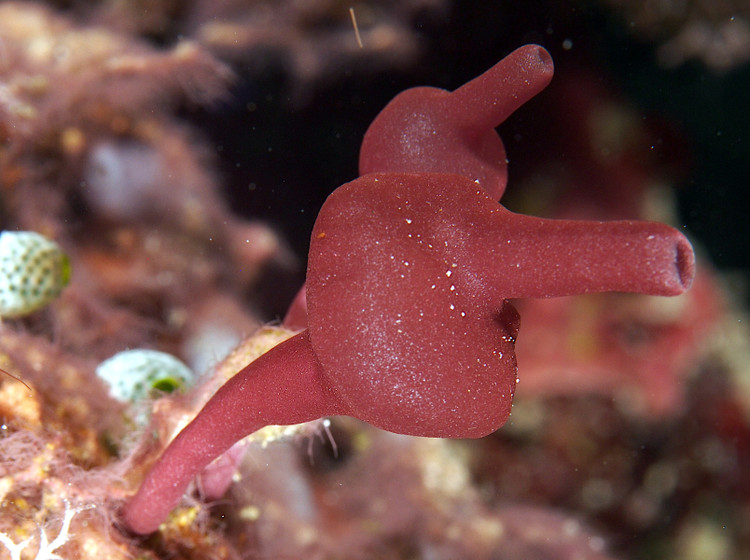
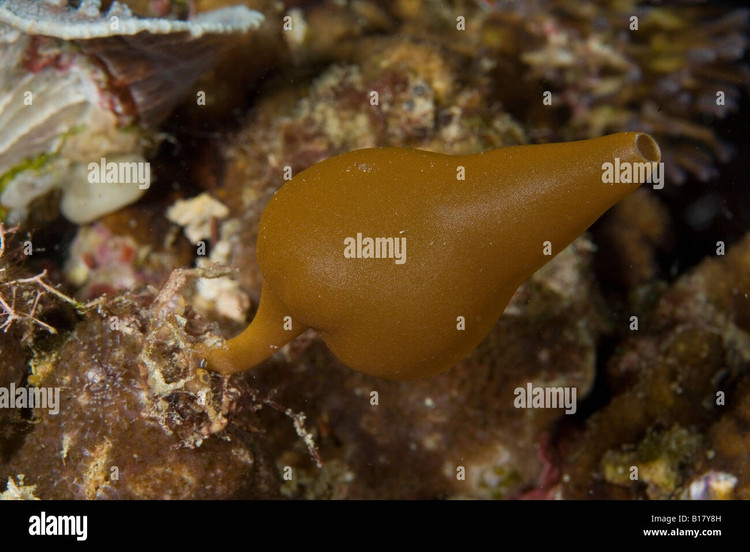
Shaped like an ancient wine flask, the wine flask sponge has a rounded, bulbous body and a narrow, upward-pointing neck, resembling a traditional wine flask. This structure allows seawater to enter through tiny pores and exit through the upper opening, optimizing the food filtration process. Photo: plingfactory.de.
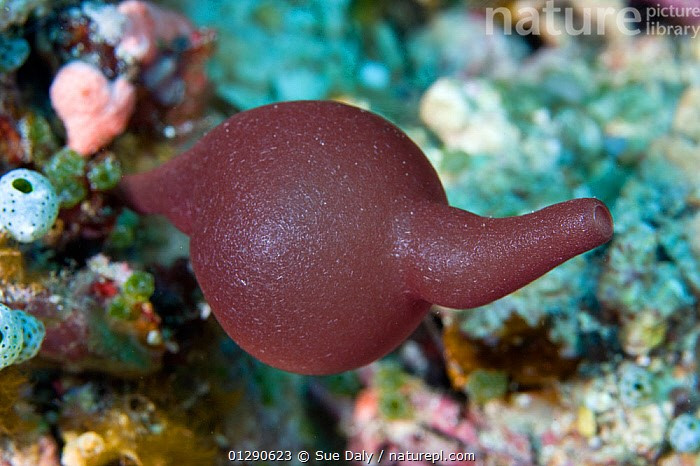
Belonging to the group of primitive calcareous sponges, the genus Pericharax belongs to the class Calcarea, meaning sponges with skeletons composed of calcareous (calcium carbonate) spines. This is one of the oldest groups of sponges, appearing very early in the evolutionary history of multicellular animals. Photo: naturepl.com.
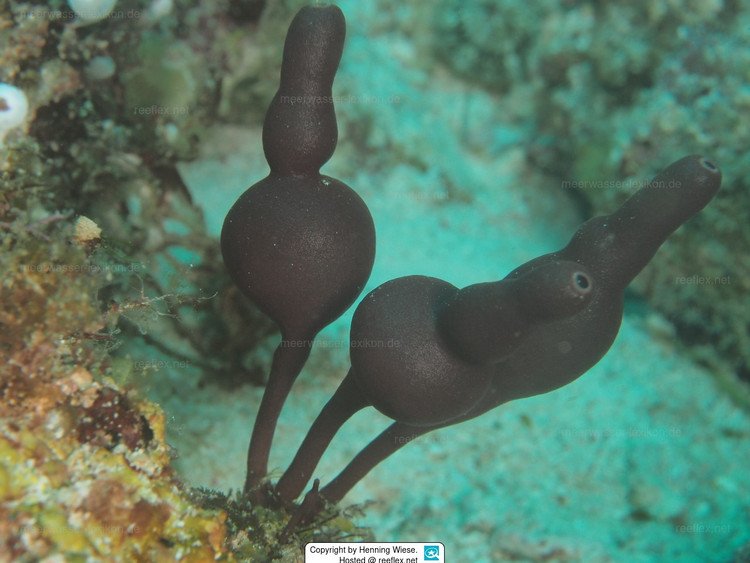
Their
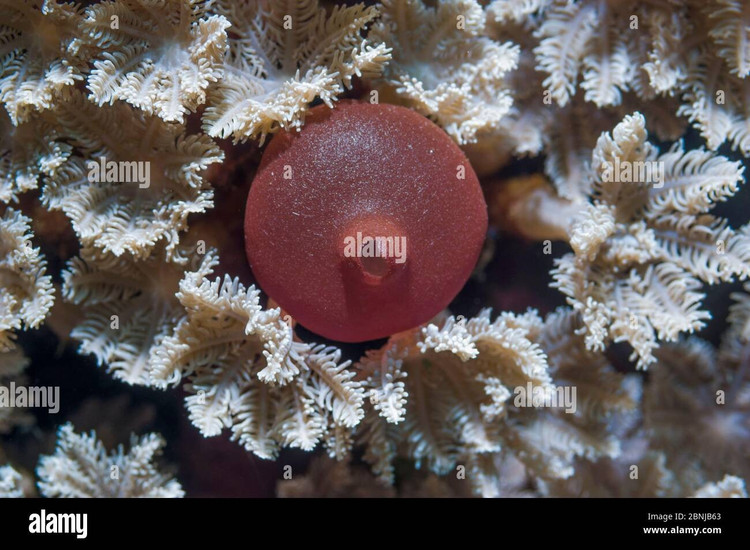
bodies are covered in tiny pores. Their surfaces are densely packed with water-absorbing pores called ostia. Seawater carrying bacteria and organic debris enters the body, where it is then captured by specialized cells as food before the water is expelled. Photo: meerwasser-lexikon.de.
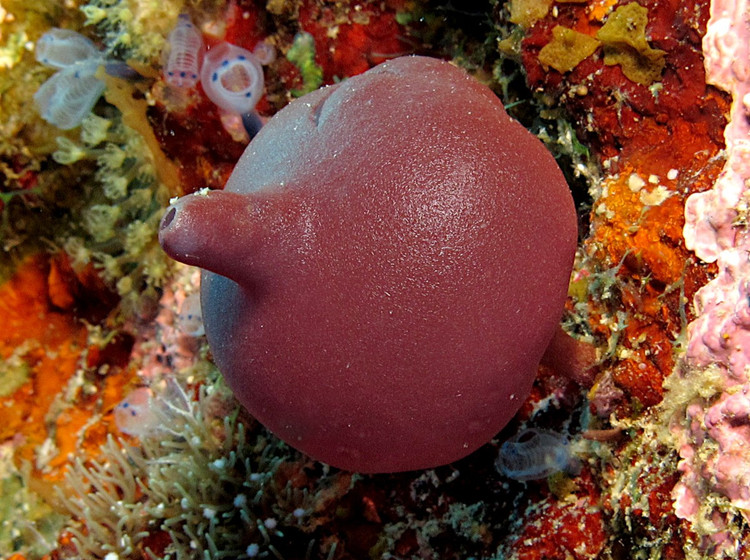
They lack true tissues and organs. Despite being animals, sponges have no heart, brain, or nervous system. Their bodies consist only of relatively simple cell clusters that still work together effectively to sustain life in the marine environment. Photo: Pinterest.
Their remarkable regenerative abilities are remarkable. If broken into many small pieces, sponge cells can reorganize and develop into new individuals under suitable conditions. This makes them a fascinating subject of study in developmental biology. Photo: penyelaman.com.
Reproduction is flexible. Sea sponges can reproduce asexually by budding or regeneration from fragments, and also sexually by releasing gametes into the water. The larvae swim freely for a period before attaching to the bottom and developing into adults. Photo: reefguide.org.
They are sessile (attached to the seabed). Unlike many free-moving marine animals, adult sponges live fixed on rocks, coral, or other hard surfaces. They are entirely dependent on water currents to bring food and oxygen to their bodies. Photo: alamy.com.
Sponges play a vital role in the ecosystem. By filtering large amounts of seawater daily, they contribute to environmental cleanup and nutrient recycling. Their presence helps maintain ecological balance in coral reefs and shallow seabeds. Photo: alamy.com.
The article continues below the video.
Recommended video
We invite our readers to watch
the video : Living with Wolves / VTV2
This article is provided by Vietnam.vn EN, authorized for use, and represents solely the author’s personal opinions. Please contact us in the event of any potential infringement.