



Proposals to use reflective satellites to illuminate Earth at night are causing controversy as scientists warn of the potential for far-reaching impacts on human health and ecosystems.
The startup Reflect Orbital recently proposed using satellites equipped with large mirrors to reflect sunlight onto areas of approximately 5-6 km as needed, with brightness adjustable from moonlight to daylight levels. The company claims this technology could help extend solar energy production, support construction, disaster relief, and agricultural production.
Additionally, SpaceX is proposing a plan to deploy up to 1 million satellites to build a space computing network for artificial intelligence, with the expectation of reducing energy demand and cooling for ground-based data centers.
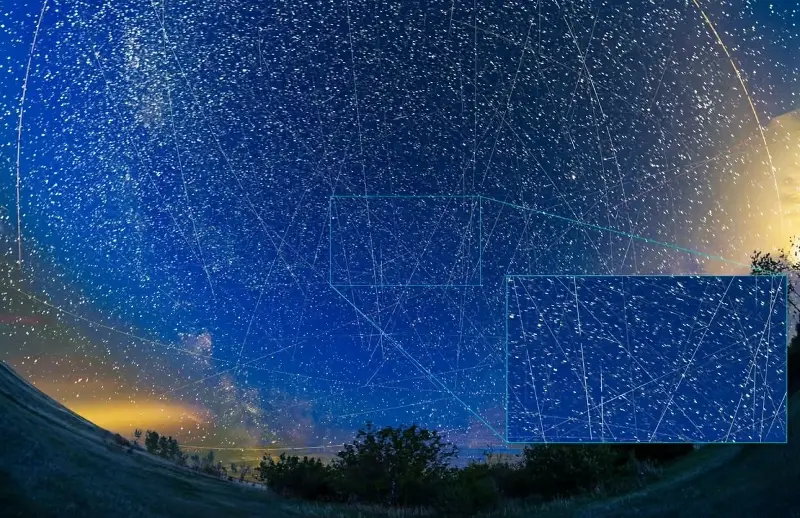
However, scientists argue that these benefits need to be carefully weighed against the long-term risks. Ruskin Hartley, director of DarkSky International, warns that the increasing number of satellites has caused the brightness of the night sky to increase by about 10%.
According to studies, light reflected from satellites and space debris not only interferes with astronomical observations but also brightens the sky. It is predicted that by 2035, this light could approach the threshold that astronomers consider necessary to preserve the natural night sky.
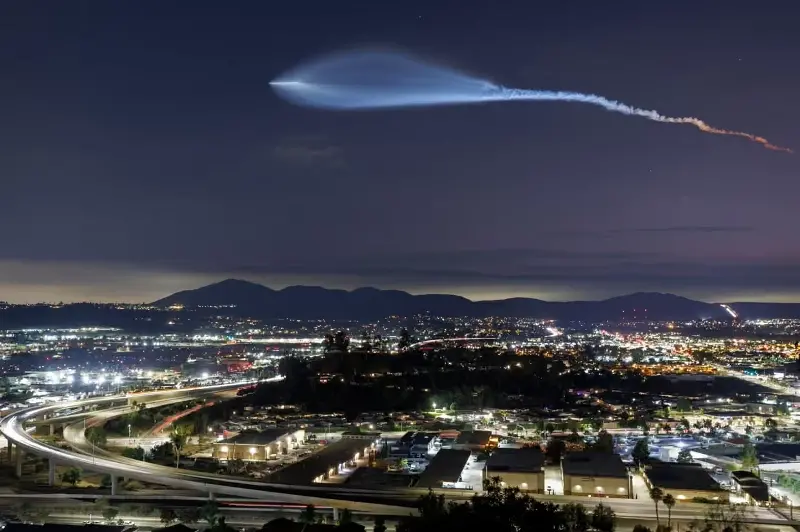
In a petition sent to the U.S. Federal Communications Commission (FCC), scientists warned that altering the natural nighttime lighting environment on a planetary scale could have serious consequences.
Major scientific organizations, representing around 2,500 researchers from more than 30 countries, argue that interfering with the natural light-dark cycle can disrupt the circadian rhythm, which regulates sleep and hormone secretion in humans, as well as affect the migration of nocturnal animals, plant growth cycles, and marine ecosystems.
Professor Charalambos Kyriacou, President of the European Society for Circadian Rhythms, emphasized: “Plants need darkness. It is impossible to simply eliminate nighttime without causing global consequences, including food security.”
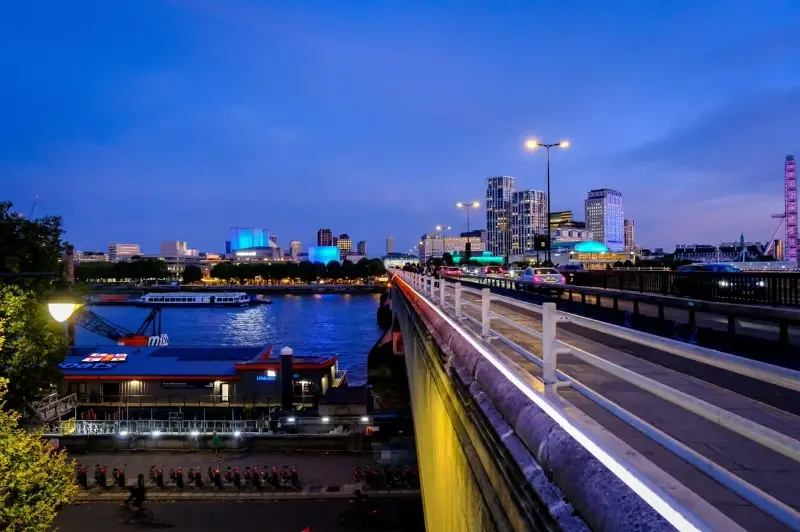
Notably, the impact extends beyond visible light levels. Professor Tami Martino, President of the Canadian Society for Circadian Rhythms, states that biological systems are sensitive to very low light levels, far beyond human perception. “If the night sky becomes consistently brighter, the consequences could be widespread throughout the ecosystem,” she emphasizes.
Several sleep research organizations also warn that disruption of the circadian rhythm is a mechanism that leads to many serious health consequences for humans.
In light of these concerns, scientists are calling on regulatory agencies to conduct a comprehensive environmental assessment and establish limits on the reflectivity and brightness of the night sky.