



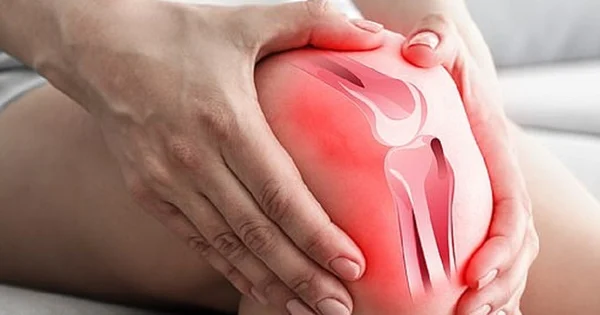
Knee pain when standing up or sitting down is quite common, especially in cold weather like now. So what are the causes and is it something to worry about?
Causes of knee pain
- Causes of knee pain
- Conditions that can cause knee pain
- How to prevent knee pain when changing posture
Knee pain often arises from simple causes, such as sitting for too long. Sitting continuously for 6-8 hours a day can cause the muscles and joints in the knees to become stiff, leading to pain and discomfort when changing positions.
To alleviate this problem, everyone should develop the habit of standing up, stretching, and moving gently after every 30-60 minutes of continuous sitting. This is a simple but effective way to improve knee pain.
In addition, incorrect posture is also a common cause. Postures such as crossing your legs or sitting with your knees bent can increase pressure on the knee joints, hinder blood circulation, and cause pain. Therefore, adjusting your sitting posture is very important. The correct sitting posture is to place your feet flat on the floor, keep your back straight, and use a footrest to help keep your knees balanced.
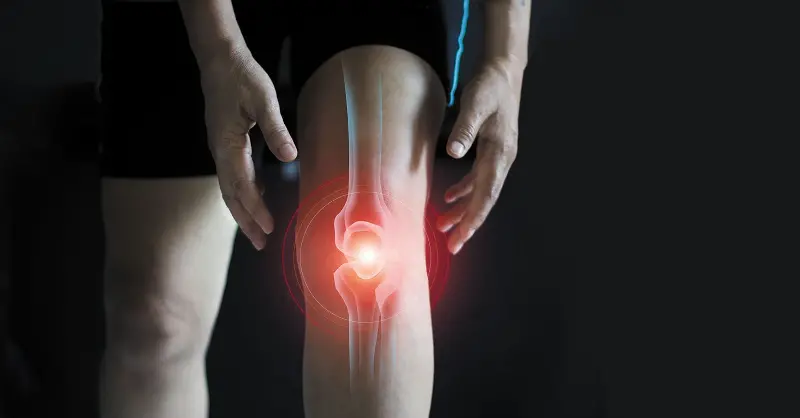
Knee pain when standing up or sitting down is a fairly common condition.
Conditions that can cause knee pain
However, knee pain when standing up or sitting down can also be a sign of several medical conditions, the most common of which include:
- Knee joint injuries: These include sprains and ligament strains that are not completely torn. Patients often experience significant pain, bruising around the joint due to blood pooling, and warmth in the injured area.
- Patellar fracture: The patella is easily fractured by strong, sudden impacts. When pressure is applied to the injured area, the patient feels sharp pain and bruising; in cases of complete fracture, the knee joint may be completely immobilized.
- Dislocation: Occurs when the ends of bones shift from their original position, causing pain and swelling. This condition is common in athletes , especially patellar dislocation or tibiofemoral dislocation.
- Knee osteoarthritis: From around age 30, the knee joint begins the aging process, and the degree of degeneration increases significantly after age 55. At that point, pain when standing up or sitting down becomes more frequent due to damage to the articular cartilage and subchondral bone, reducing joint flexibility.
- Knee effusion: When the amount of fluid in the joint increases abnormally, the knee may swell and become painful, especially when bending, straightening, or changing position.
- Gout: Gout can cause knee pain due to the deposition of urate crystals in the articular cartilage and synovial membrane. When joint fluid increases, the knee swells, becomes painful, and it is difficult to straighten the leg.
How to prevent knee pain when changing posture
To proactively prevent knee pain, everyone should pay attention to the following:
- Maintain a healthy weight: Being overweight or obese increases pressure on the knee joints, easily leading to pain and injury.
- Wear properly fitting shoes: This helps maintain balance between your feet and reduces the risk of knee joint injuries.
- Regular, moderate exercise: Activities like yoga, walking, and swimming help keep joints flexible and agile.
- Avoid bad habits that harm your knees: Don't wear high heels frequently, and limit bending, kneeling, or sitting in incorrect postures.
- Use knee protectors: Essential when participating in sports, strenuous exercise, or cycling.
- Adopt a scientifically sound diet: Prioritize foods rich in calcium, vitamin D, and foods that are good for bones and joints, such as fatty fish, soybeans, and berries.
In summary, knee pain, especially when standing up or sitting down in cold weather, should not be taken lightly. If the pain is accompanied by unusual signs such as swelling, redness, warmth, or crackling sounds during movement, the patient should seek medical attention promptly. Because the knee is the body's main weight-bearing joint, any injury can directly affect mobility and daily activities. Timely examination and treatment will help limit dangerous complications later on.