


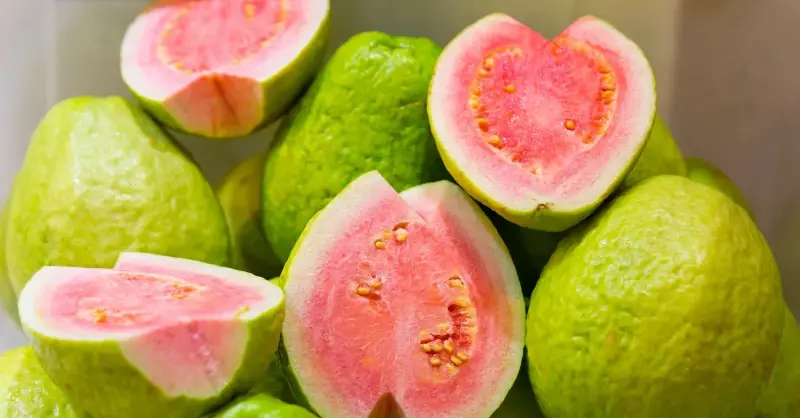
The BMJ journal published an analysis of data from 17 studies involving a total of 726 women to assess the impact of guava consumption on anemia.
The results showed that teenage girls and pregnant women who drank guava juice had an average increase in hemoglobin levels of 1.71 g/dL. This is an indicator of the blood's ability to carry oxygen and is often used to assess anemia.
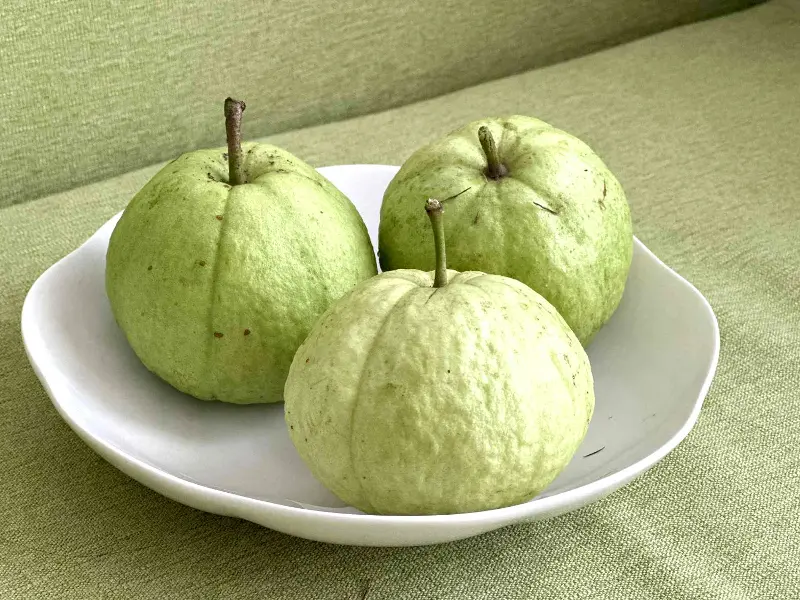
Notably, in five studies directly comparing groups using iron supplements combined with guava juice versus groups using only iron supplements, those using the combination had an average increase of 1.29 g/dL in hemoglobin levels. According to the studies, this improvement is sufficient to help many cases of mild to moderate anemia return to normal levels.
The authors suggest that this effect is primarily due to the abundant vitamin C content in guava. Per 100g, guava contains approximately four times more vitamin C than oranges and 2.6 times more than kiwi. Vitamin C can convert the difficult-to-absorb form of iron often found in plant-based foods into a form more easily absorbed by the body. As a result, iron absorption in the intestines is significantly improved.
Besides vitamin C, guava also contains vitamin A, folic acid, fiber, and a small amount of iron. Folic acid, in particular, is an essential nutrient for blood formation. Thanks to the combination of many beneficial nutrients, guava is considered a suitable fruit for people who need to supplement iron or improve their anemia.
Experts also note that during iron supplementation, you should limit drinking tea or coffee at the same time as meals or when taking iron tablets. This is because the tannins in these beverages can reduce the body's ability to absorb iron. Conversely, consuming guava juice can increase iron absorption efficiency due to its abundant vitamin C content.