NASA discovers the oldest galaxy from the post-Big Bang era.
Vietnam.vn EN
03/02/2026 23:58:00
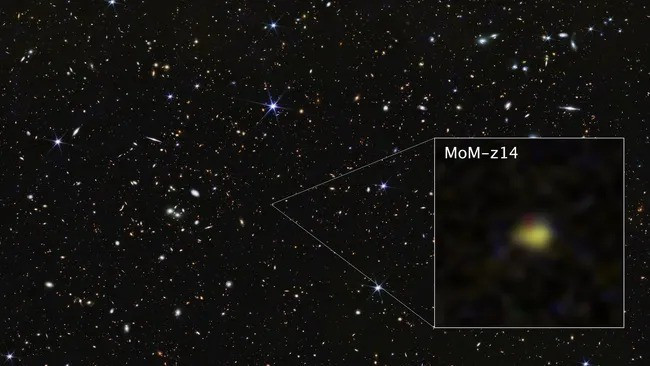
The galaxy MoM-z14, the most distant source ever recorded, began shining just 280 million years after the Big Bang, expanding the limits of scientific observation.
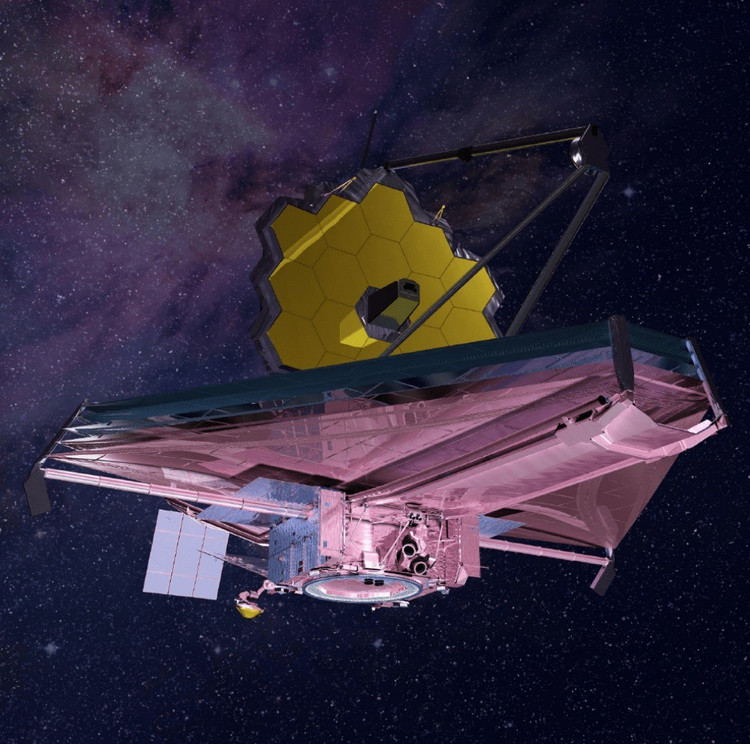
NASA and the James Webb Space Telescope (JWST) continue to push the boundaries of observation with the discovery of the galaxy MoM-z14. In a new study published in the Open Journal of Astrophysics, the research team states that MoM-z14 is "the most spectrally confirmed source ever recorded, extending the scope of observation to a period just 280 million years after the Big Bang." Image: ASA, ESA, CSA, STScI, Rohan Naidu (MIT); Image Processing: Joseph DePasquale (STScI).
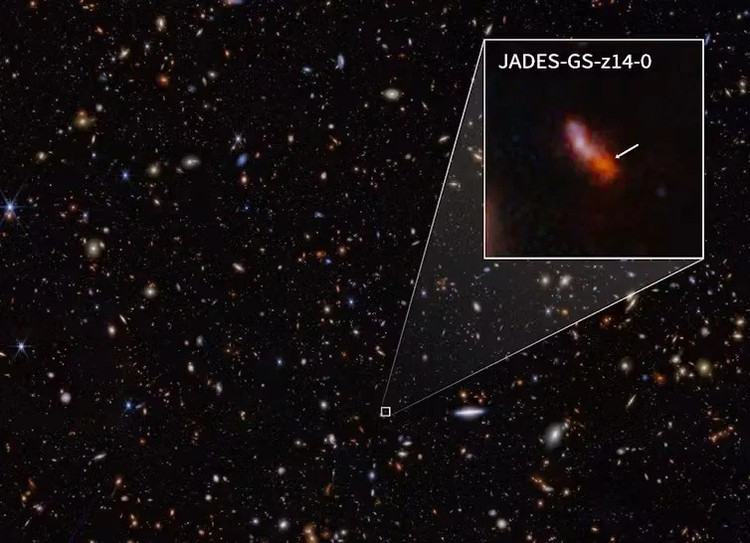
This means the galaxy MoM-z14 began shining 280 million years after the universe was born. After a long journey through space, the light from this ancient galaxy has now reached Earth and been detected by the infrared sensors of the James Webb Space Telescope. Image: NASA, ESA, CSA, STScI, Brant Robertson (UC Santa Cruz), Ben Johnson (CfA), Sandro Tacchella (Cambridge), Phill Cargile (CfA) and the JADES collaboration.
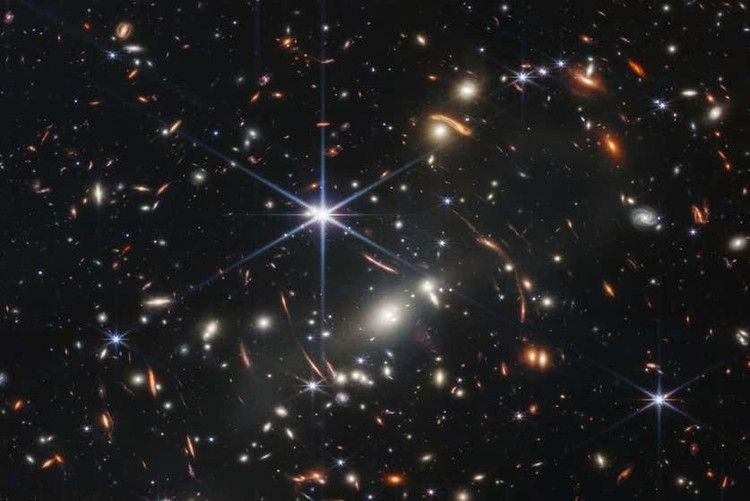
Rohan Naidu, a specialist from the Kavli Institute for Astrophysics and Space Studies at the Massachusetts Institute of Technology (MIT), and his colleagues made this important discovery after reviewing images from the James Webb Telescope to search for galaxies that may have existed since the early universe. Image: NASA, ESA, CSA, and STScI.
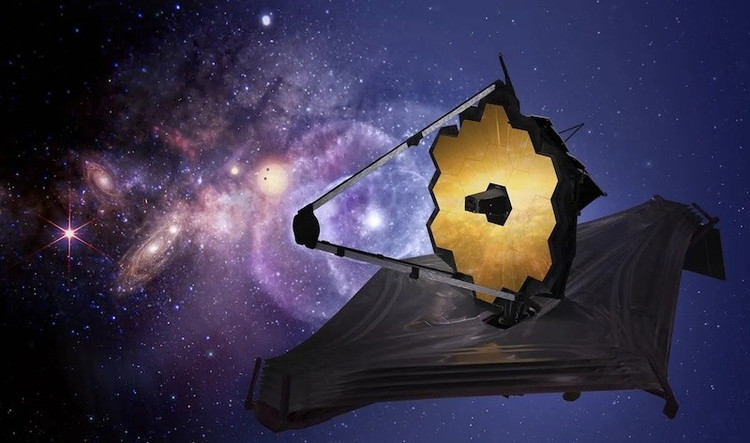
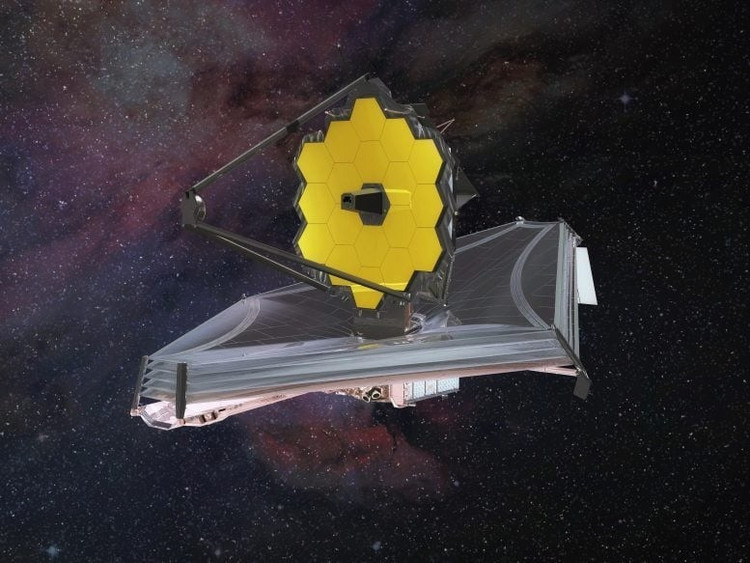
After identifying MoM-z14 as a potential target, the research team pointed the James Webb telescope toward this strange object in April 2025 for closer study. Photo: dima_zel via Getty Images.
The research team used a method to determine the age of celestial objects: measuring redshift. As the universe expands, light from distant objects is stretched into longer, redder wavelengths. The farther the light travels and the longer the time, the greater the redshift. Image: NASA.
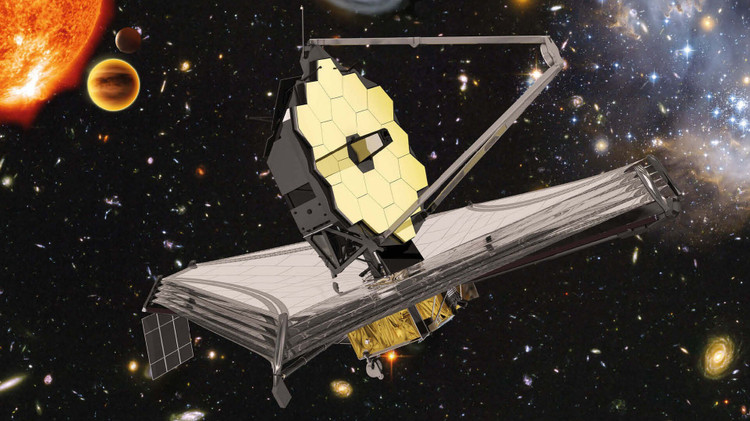
In a new study, the team of experts confirmed that the redshift of MoM-z14 is 14.44, surpassing the 14.18 of JADES-GS-z14-0, which previously held the record for the most distant galaxy ever recorded. Image: ESA.
MoM-z14 is relatively small relative to the amount of light it emits. It has a diameter of 240 light-years, about 400 times smaller than the Milky Way – the galaxy containing Earth – and a mass comparable to the Small Magellanic Cloud – a dwarf galaxy located near the Milky Way. Image: NASA.
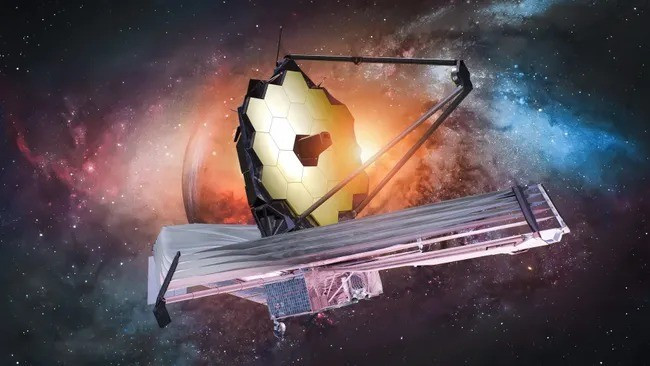
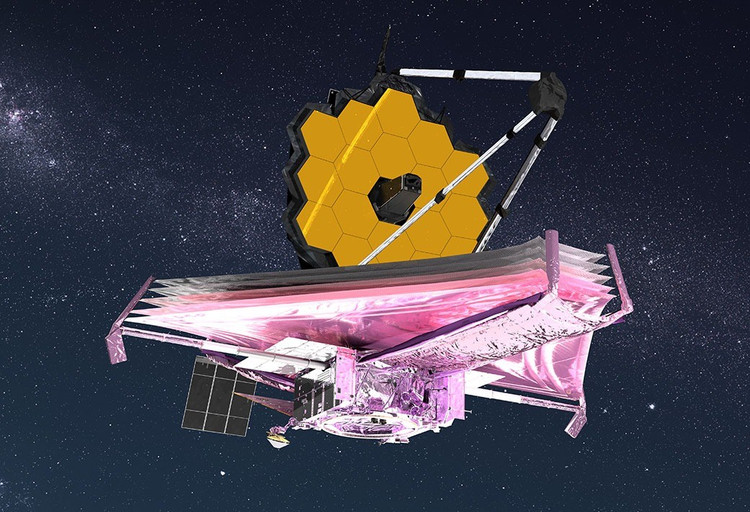
The research team also observed MoM-z14 during its rapid star formation phase. This galaxy has a high nitrogen-to-carbon ratio, similar to globular clusters in the Milky Way. These clusters contain thousands to millions of tightly bound stars, thought to have formed in the first few billion years of the universe. Image: James Webb Space Telescope/NASA.
The fact that the ancient galaxy MoM-z14 shares similarities with them may suggest that stars formed in a similar way even in the early universe. Image: Northrop Grumman.
This article is provided by Vietnam.vn EN, authorized for use, and represents solely the author’s personal opinions. Please contact us in the event of any potential infringement.