



The BMW i4 is expected to be discontinued from 2027 when the new generation BMW i3 is launched, marking a strategic shift in the German automaker's electric sedan lineup.
Launched in 2021, the BMW i4 was once one of the brand's flagship all-electric sedans, considered the electrified version of the 3 Series. However, after about five years on the market, this model is entering the final stage of its lifecycle.
According to internal sources, BMW plans to cease production of the i4 next year. The assembly line at the Munich plant, which currently produces the i4, will be converted to serve the next generation of electric vehicles.
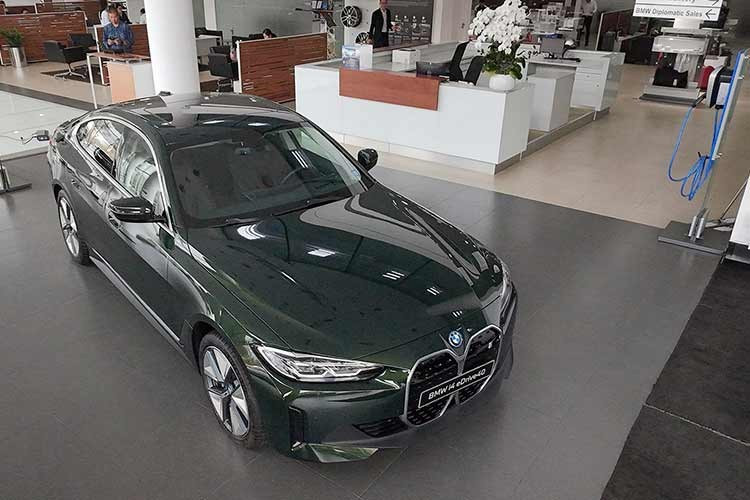
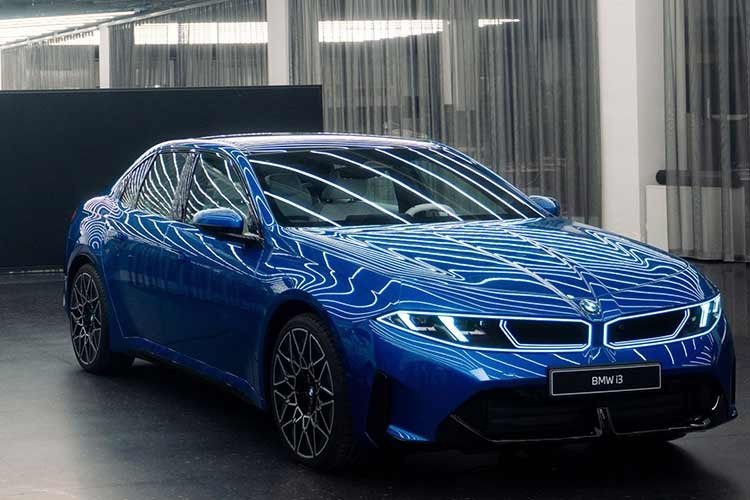
The arrival of the new generation BMW i3 is seen as the main factor making the i4's role redundant. This electric sedan was recently launched in Munich and will soon be commercially produced at the same factory where the i4 is assembled.
Jochen Goller, BMW's head of product, said that discontinuing the i4 was a pre-planned move. He explained that i4 production would gradually decrease while i3 production would increase, aligning with the automotive product development cycle. This move is part of BMW's long-term strategy as the company transitions to the Neue Klasse platform and restructures its product portfolio.
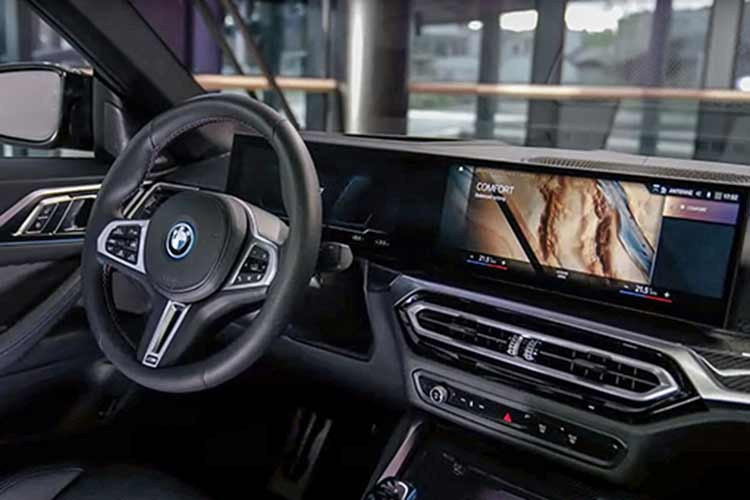
BMW aims to unify design across powertrains while offering a diverse range of options, from internal combustion engines to all-electric models, within the same vehicle lineup. The 3 Series will play a central role in the mid-size sedan segment, including the all-electric i3 version.
Although the i4 doesn't have a direct successor, BMW continues to develop the next generation of the 4 Series. According to Joachim Post, this line will play its own role, focusing on design and a sporty driving experience. In the future, the 4 Series will share platforms and powertrain options with the 3 Series, including internal combustion engines, and potentially return to an all-electric version.
The discontinuation of the BMW i4 indicates that the company is streamlining its product portfolio and focusing on newer, more scalable platforms. This shift also reflects a general industry trend, as automakers optimize development costs and concentrate on core product lines in the era of electrification.