



Drinking tea with certain common foods can reduce the absorption of iron and calcium, cause bloating, acid reflux, and many other digestive problems that few people pay attention to.
Tea is one of the world's most popular beverages, favored for its pleasant flavor and beneficial compounds. However, from a nutritional and digestive perspective, tea isn't always "friendly" when consumed with food. In fact, drinking tea with or immediately after eating certain foods can cause a range of unpleasant symptoms such as heartburn, indigestion, bloating, abdominal distension, stomach pain, acid reflux, etc. These signs indicate that the digestive system is being affected by an incompatible food combination.
1. Which food groups should not be consumed after drinking tea?
- 1. Which food groups should not be consumed after drinking tea?
- 1.1. Avoid drinking tea after consuming dairy products: Milk, cheese, yogurt.
- 1.2. Iron-rich foods: Spinach, lentils
- 1.3. Sweets and foods high in sugar: Cakes, pastries
- 1.4. Citrus fruits: Oranges, lemons, grapefruits
- 1.5. Foods high in oil and fat: French fries
- 1.6. Spicy food
- 1.7. Foods rich in fiber: Whole grains, beans, cruciferous vegetables
- 1.8. Processed meats: Sausages, ham, bacon
- 1.9. Alcoholic beverages
- 1.10. Starchy foods: White bread, pasta, potatoes
- 2. Notes for those who habitually drink tea in the morning.
Below are 10 food groups that are recommended to be avoided with or immediately after drinking tea, in order to help protect your gut health and maximize the benefits of tea drinking.
1.1. Avoid drinking tea after consuming dairy products: Milk, cheese, yogurt.
Tea, especially black tea, contains high levels of tannins. This substance can bind to proteins in dairy products, thereby hindering the absorption of important minerals such as calcium and iron.
Furthermore, the combination of tea and milk can cause digestive discomfort, especially in people with sensitive digestive systems. This is why many people feel bloated or heavy in their stomachs when drinking milk tea or tea immediately after consuming dairy products.
1.2. Iron-rich foods: Spinach, lentils
The tannins in tea are known to inhibit iron absorption, especially iron from plant sources. When tea is consumed with iron-rich foods like spinach or lentils, the body absorbs iron less effectively. In the long term, this habit can increase the risk of iron deficiency, especially in women and vegetarians. A common recommendation is to drink tea and wait at least an hour before consuming iron-rich foods.
1.3. Sweets and foods high in sugar: Cakes, pastries
Combining tea with pastries can cause a spike in blood sugar, which is especially detrimental to people with diabetes or blood sugar disorders. Additionally, the sugar in tea increases the risk of cavities and negatively impacts oral health if consumed regularly.
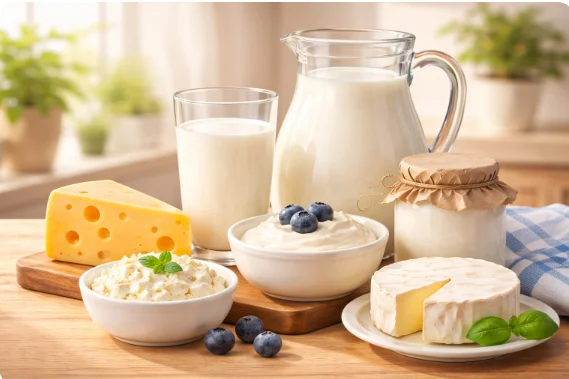
When drinking tea, the high tannin content can bind to proteins in dairy products, thereby hindering the absorption of important minerals such as calcium and iron.
1.4. Citrus fruits: Oranges, lemons, grapefruits
Citrus fruits are high in acid, while tea contains a lot of tannins. When these two factors combine, they can irritate the lining of the digestive tract, leading to symptoms such as abdominal pain, bloating, and acid reflux. This is one of the common combinations, but it poses many risks for people with sensitive stomachs.
1.5. Foods high in oil and fat: French fries
Fatty foods slow down digestion, while tea stimulates stomach acid secretion. Combining these two factors increases the risk of acid reflux, bloating, and indigestion. Furthermore, fat can reduce the absorption of antioxidants in tea, diminishing its health benefits.
1.6. Spicy food

Spicy foods, when combined with the tannins in tea, can increase the risk of heartburn and acid reflux. For some people, this combination can also cause indigestion and a burning sensation in the upper abdomen.
1.7. Foods rich in fiber: Whole grains, beans, cruciferous vegetables
Fiber is important for digestive health, but when consumed with tea – especially strong tea – it can cause bloating and gas in some people. This combination can also slow down digestion, particularly when too much tea is consumed in a short period of time.
1.8. Processed meats: Sausages, ham, bacon
Processed meats often contain high levels of sodium and preservatives, which can easily cause bloating when consumed with tea. The high fat content in this food group can also negatively impact digestion and reduce the absorption of nutrients from tea.
1.9. Alcoholic beverages
Drinking alcohol with tea can irritate the digestive system, leading to acid reflux and bloating. Additionally, alcohol reduces the absorption of beneficial antioxidants in tea, limiting the tea's positive effects.
1.10. Starchy foods: White bread, pasta, potatoes
Starchy foods can be consumed with black tea in moderation, but should not be combined with milk tea. This combination can easily cause bloating and digestive discomfort, especially when consumed in large quantities.
2. Notes for those who habitually drink tea in the morning.
Drinking tea in the morning can provide a feeling of alertness, but the way you pair it with other foods plays a crucial role in digestive health. Here are some things to keep in mind:
- Tea should not be considered a meal replacement, especially when the meal contains many nutrients that may be easily absorbed.
- The tannins in tea are a major factor causing adverse interactions with food, potentially affecting digestion and mineral absorption.
- Symptoms such as bloating, heartburn, acid reflux, or stomach pain after drinking tea are signs that the timing or combination of teas was not appropriate.
- Strong tea or tea consumed in large quantities over a short period is more likely to increase gastrointestinal discomfort compared to drinking weak, moderately strong tea.
- Drinking tea too close to mealtimes can diminish the inherent benefits of tea and put strain on the digestive system.
General recommendation: To reap the benefits of tea, pay attention to the timing of consumption and your body's reaction after pairing it with food.
Tea offers many health benefits when consumed correctly. However, combining it with other ingredients can be detrimental. drink Combining tea with incompatible foods can reduce the nutritional value of the food and cause unwanted digestive problems. Understanding which foods to avoid when drinking tea is an important step in fully enjoying the benefits of this familiar beverage while sustainably protecting your gut health.
Please read more here: