



Unhealthy lifestyles, prolonged stress, and unscientific living habits are becoming the leading risk factors for cardiovascular disease among young people.
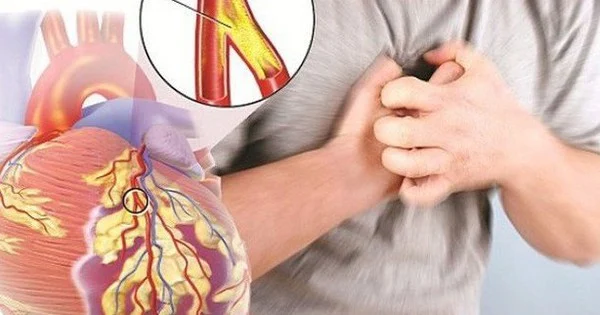
Notably, in recent years, health experts have observed a trend of cardiovascular disease affecting younger people, with an increasing number of young individuals suffering from heart and blood vessel diseases.
Alarming trend: Cardiovascular disease is affecting younger people.
Cardiovascular disease is currently one of the leading causes of death and dangerous health complications in humans.
According to medical statistics, the rate of young people suffering from cardiovascular diseases such as hypertension, coronary artery disease, and dyslipidemia is increasing rapidly. Many patients as young as 25-35 years old are already showing signs of cardiovascular damage, and are even facing myocardial infarction or stroke.
The prevalence of cardiovascular disease among young people is no longer an isolated phenomenon but has become an alarming issue in the community. Besides stress, an unhealthy lifestyle is also a major risk factor.
Habits like staying up late, smoking, eating fast food, and drinking excessive amounts of alcohol or sugary drinks like bubble tea all contribute to damage to blood vessels.
Unhealthy lifestyles, prolonged stress, and unhealthy living habits are becoming the leading risk factors for cardiovascular disease among young people.
Reasons why cardiovascular disease is affecting younger people.
Medical experts say that prolonged stress is one of the direct causes of increased risk of cardiovascular disease. Work pressure, lack of sleep, and disrupted circadian rhythms force the heart to work continuously under stress. In addition, a diet high in saturated fat, salt, and sugar, along with a sedentary lifestyle, increases the risk of atherosclerosis, hypertension, and early heart failure.
The risk of heart disease in young people today has increased by about 40% compared to the past, mainly due to prolonged stress, unhealthy lifestyles, and damage to blood vessels.

Heart-damaging habits in young people
Many common lifestyle habits among young people are silently increasing the risk of cardiovascular disease. Smoking, alcohol abuse, frequent late nights, and prolonged sitting with little physical activity impair cardiovascular function. Furthermore, neglecting regular health checkups makes it difficult to detect cardiovascular diseases early, leading to dangerous complications such as stroke, heart failure, and myocardial infarction.
One of the most significant contributing factors to the increase in cardiovascular disease among young people is prolonged stress from daily life, such as work pressure, financial stress, low income, or feelings of inferiority in society. These factors affect the brain and endocrine system, increasing the secretion of stress hormones, leading to a faster heart rate, higher blood pressure, vasoconstriction, and increased oxygen demand of the heart muscle. In the long term, this places a significant burden on the cardiovascular system.
Besides stress, an unhealthy lifestyle is also a major risk factor. In particular, sugary drinks rapidly increase blood sugar levels, causing metabolic disorders, increasing blood osmotic pressure, and indirectly negatively affecting the cardiovascular system.
Cardiovascular disease is no longer just a problem for the elderly; therefore, raising awareness and understanding the warning signs of cardiovascular disease is extremely important. (Illustrative image)
Doctor's advice
To prevent cardiovascular disease, you can refer to the following suggestions:
- Healthy eating habits: limit foods high in cholesterol and saturated fat, and increase consumption of green vegetables and fruits.
- Exercise regularly, maintaining a routine of cardiovascular exercises, yoga, and walking.
- Manage stress and get enough sleep, change your lifestyle habits, and avoid staying up late.
- Regular health check-ups: blood pressure, cholesterol, and blood tests.
Cardiovascular disease is no longer just a problem for the elderly; therefore, raising awareness and understanding the warning signs of cardiovascular disease is extremely important to help young people have a correct understanding, thereby proactively preventing and protecting their cardiovascular health.