



Aloe vera contains many bioactive compounds that have anti-inflammatory effects, soothe the skin, and help reduce acne. When combined correctly with certain suitable ingredients, its effectiveness in treating acne-prone skin will be enhanced.
1. The role of aloe vera in supporting acne treatment.
- 1. The role of aloe vera in supporting acne treatment.
- 2. Ingredients that can be combined with aloe vera
- 2.1. Aloe vera and lemon juice help brighten and reduce dark spots on the skin.
- 2.2. Aloe vera and turmeric help reduce inflammation and dark spots.
- 2.3. Aloe vera and vitamin E support skin recovery.
- 2.4 Aloe vera and rose water soothe and gently moisturize.
- 3. When is the best time to apply aloe vera for optimal results?
- 4. Things to note when using aloe vera on acne-prone skin.
Acne is a chronic inflammatory condition of the hair follicles and sebaceous glands, associated with increased sebum production, clogged pores, overgrowth of Cutibacterium acnes bacteria, and a localized inflammatory response. In addition to medication prescribed by a dermatologist, many people seek supportive remedies from natural ingredients such as aloe vera.
Aloe vera is one of the most commonly used ingredients in skincare. Aloe vera gel contains many bioactive compounds such as polysaccharides (especially acemannan), vitamins A, C, and E, enzymes, amino acids, and antioxidants.
Studies show that aloe vera has the following properties:
- Anti-inflammatory.
- Soothes the skin.
- Supports the healing of skin lesions.
- Lightweight moisturizer, does not clog pores...
Some small clinical studies suggest that when applied topically, aloe vera may help reduce inflammation in mild to moderate acne, especially when combined with standard acne treatments. However, aloe vera is not a substitute for prescribed acne medication, but rather plays a supportive role.
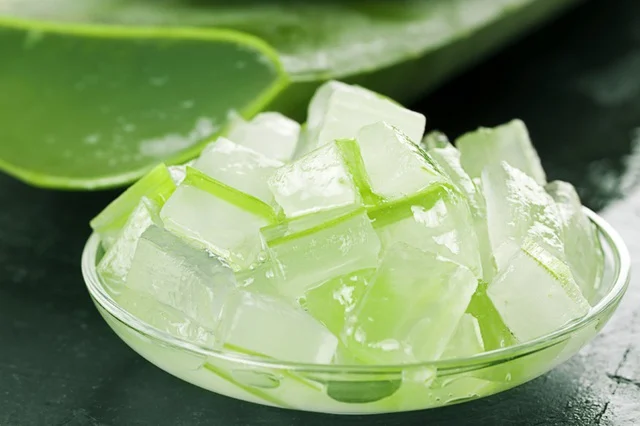
Aloe vera has anti-inflammatory properties, soothes the skin, and helps reduce acne.
2. Ingredients that can be combined with aloe vera
Combining aloe vera with suitable ingredients can enhance its skin-soothing effects, reduce inflammation, and help fade dark spots.
Here are some commonly used options:
2.1. Aloe vera and lemon juice help brighten and reduce dark spots on the skin.
Lemon juice contains citric acid – a natural alpha hydroxy acid (AHA). AHAs can help remove dead skin cells from the surface of the skin, resulting in brighter skin and improved post-acne dark spots.
Suggested use: Mix 1 teaspoon of aloe vera gel with 4-5 drops of fresh lemon juice, apply a thin layer to the skin for 5-10 minutes, then rinse off.
Note: Lemons are highly acidic and can easily cause irritation, especially to sensitive skin; do not use before sun exposure as it may increase the risk of sunburn and hyperpigmentation; use only 1–2 times per week. For skin with severe acne, sensitive skin, or skin currently using topical medications containing retinoids or benzoyl peroxide, use with caution or consult a doctor.
2.2. Aloe vera and turmeric help reduce inflammation and dark spots.
Turmeric contains curcumin – an active compound with anti-inflammatory and antioxidant properties. Some studies suggest that curcumin may help reduce inflammatory responses and contribute to fading post-inflammatory hyperpigmentation.
Suggested use: Mix 1 teaspoon of aloe vera gel with a small amount of pure turmeric powder, apply to the skin for about 10 minutes, then rinse off.
Note: Use refined turmeric or pure turmeric powder to minimize the risk of irritation; turmeric may cause temporary skin yellowing; avoid use on skin with large open wounds or broken pimples. This combination is more suitable for post-acne dark spots and mild acne.
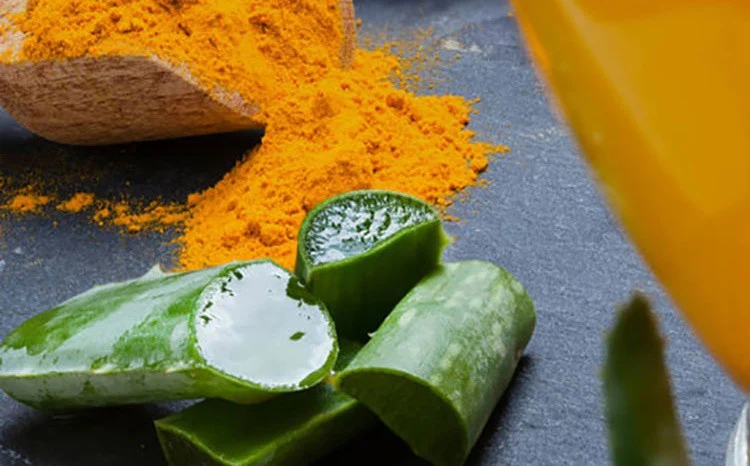
Aloe vera and turmeric help reduce inflammation, fade post-acne marks, and treat mild acne.
2. 3. Aloe vera and vitamin E support skin recovery.
Vitamin E (tocopherol) is a fat-soluble antioxidant that protects cell membranes from damage caused by free radicals. In skincare, vitamin E is often used to aid in the recovery of dry, mildly damaged skin.
Suggested usage: Mix 1 teaspoon of aloe vera gel with the oil from 1 vitamin E capsule, apply to the skin for 10–15 minutes, then rinse off.
Note: Vitamin E in oil form can clog pores in oily, acne-prone skin; it should not be used frequently if you have oily skin or severe inflammatory acne; this combination is more suitable for dry skin or skin that has recovered from inflammation.
2.4 Aloe vera and rose water soothe and gently moisturize.
Rose water (toner) can help balance pH and gently cleanse after washing your face. When combined with aloe vera, this mixture can enhance its ability to soothe the skin, especially after sun exposure.
Suggested usage: Mix 1 teaspoon of aloe vera gel with 1 teaspoon of alcohol-free rose water, apply to the skin and let it dry naturally.
Note: It is recommended to choose a toner that is alcohol-free and fragrance-free to minimize irritation; suitable for sensitive skin, skin after sun exposure, or skin with mild irritation.
3. When is the best time to apply aloe vera for optimal results?
Some studies suggest that using skincare products at the right time can improve absorption and skin recovery.
Before bed: Nighttime is when the skin intensifies its regeneration and repair process. Applying a thin layer of aloe vera gel before bed can help soothe the skin after a day of environmental exposure, support the restoration of the skin's protective barrier, and provide light hydration. It's recommended to wash your face before applying and test on a small area of skin before using it on your entire face.
After washing your face in the morning: Applying aloe vera after washing your face in the morning can help maintain moisture and soothe the skin. However, you should still use adequate sunscreen during the day.
After sun exposure: Aloe vera has a cooling and soothing effect on the skin after sun exposure. Aloe vera gel can help reduce mild burning sensations. However, if blistering, significant pain, or signs of severe burns occur, medical attention is necessary.
4. Things to note when using aloe vera on acne-prone skin.
- Perform a skin reaction test before use: Apply a small amount to the inside of your forearm 24 hours before use.
- Not a substitute for medical treatment: For moderate to severe acne, a dermatologist's consultation is necessary for proper treatment.
- Choose clean ingredients: Fresh aloe vera needs to have the yellow sap (aloin) carefully removed as it can cause irritation.
- Avoid overuse: Using too much or too often can cause dry skin or irritation.
Aloe vera is an ingredient with many bioactive properties that help soothe skin, reduce inflammation, and repair minor damage. When combined correctly with lemon, turmeric, vitamin E, or rose water, its skin care effects can be enhanced. However, its use should be appropriate for each skin type and the severity of acne. People with severe acne, widespread inflammatory acne, or scarring should consult a dermatologist for proper treatment and avoid self-treating with folk remedies for extended periods.
Note: This article provides information for reference only and does not replace medical advice, diagnosis, or treatment. Readers should consult a healthcare professional for persistent or severe skin problems.
Please watch the video for more information: