


The popularity of automatic transmissions and electric vehicles is making manual transmissions a rare choice in the market. However, for many car enthusiasts, the feeling of manually controlling the clutch and gear shift still offers an irreplaceable driving experience. Nevertheless, outdated misconceptions still persist surrounding manual transmissions, leading many drivers to misunderstand this type of gearbox.
Below are four of the most common misconceptions about manual transmissions held by many Vietnamese drivers in the modern automotive era.
Manual transmission cars are always more fuel-efficient.
This was true more than a decade ago, when automatic transmissions only had 4-5 gears and transmission efficiency was limited. However, technology has changed significantly since then.
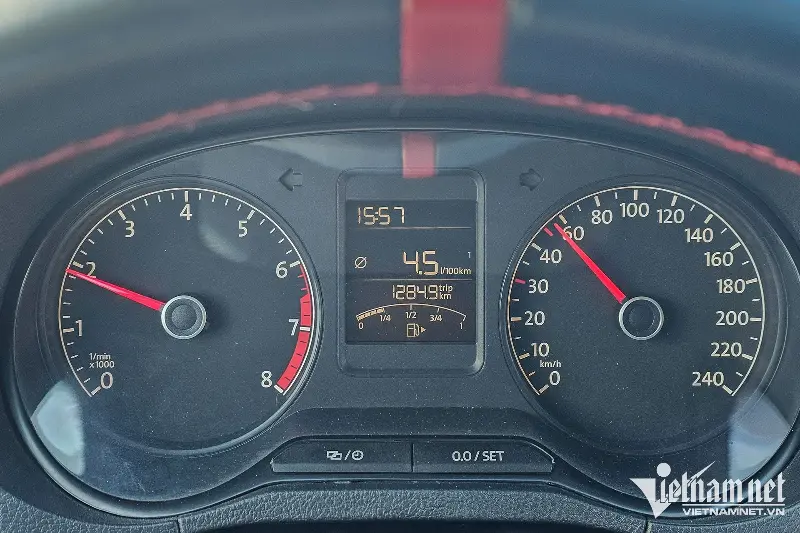
Modern automatic transmissions are commonly available with 6, 8, or even 10-speed gearboxes, continuously variable transmissions (CVT), or dual-clutch transmissions (DCT), which can maintain optimal engine RPMs, thus surpassing manual transmissions (which typically only have 5 or 6 speeds) in terms of fuel efficiency.
According to the U.S. Environmental Protection Agency (EPA), many modern automatic transmission vehicles have fuel consumption figures that are equal to, or even lower than, their manual transmission counterparts with the same engine. Of course, if the driver has good shifting skills and always keeps the engine speed low, manual transmissions can still be very fuel-efficient. However, generally speaking, this advantage no longer applies to manual transmissions.
Driving a manual transmission car is very difficult.
For beginners, coordinating the clutch, accelerator, and gear shift can be confusing. However, after some practice, this operation will become a natural reflex and no longer be too complicated.

According to the automotive website SlashGear, many experienced drivers rate manual transmissions as providing a better sense of connection with the vehicle, especially when descending hills, overtaking, or driving on mountain roads. Therefore, manual transmissions aren't necessarily difficult to drive, but simply require drivers to dedicate time to practice.
A manual transmission allows the car to accelerate faster.
This notion used to be true when older automatic transmissions had significant lag. But nowadays, most automatic transmissions are electronically controlled with extremely fast gear changes.
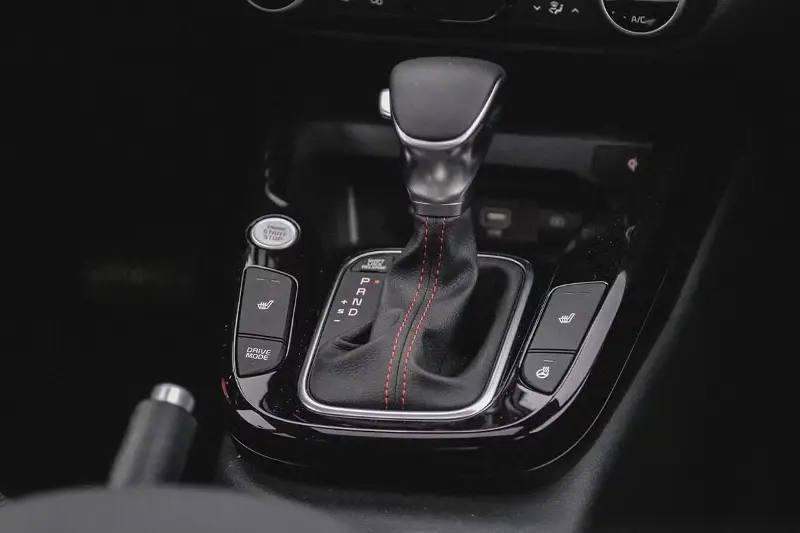
In particular, dual-clutch transmissions (DCTs) can "pre-set" the next gear, so gear changes take only a few tens of milliseconds, significantly faster than manually pressing the clutch and shifting gears. This is also why many modern sports cars and supercars have eliminated manual transmissions in favor of automatic transmissions to optimize acceleration.
Nevertheless, manual transmission enthusiasts still choose this type of gearbox for the sense of control and driving experience, rather than for its acceleration capabilities.
Manual transmissions are prone to failure and expensive to repair.
This is also an inaccurate assessment. In reality, manual transmissions are significantly simpler in construction than modern automatic transmissions, meaning fewer complex parts and generally lower repair costs.
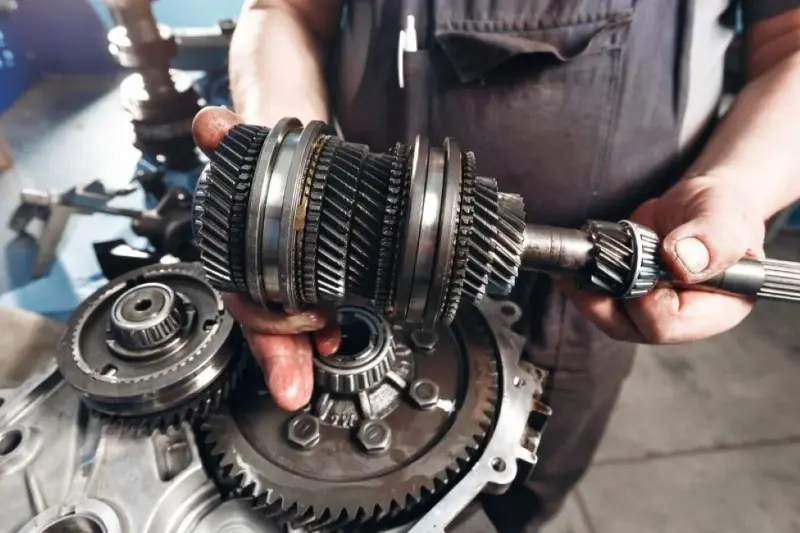
According to many automakers, if used correctly and with regular transmission fluid changes as recommended, manual transmissions can last for hundreds of thousands of kilometers throughout the vehicle's lifespan.
The most wear-prone component in a manual transmission vehicle is the clutch. If the driver frequently plays the clutch, keeps their foot on the clutch pedal, or releases the clutch incorrectly, the lifespan of the clutch will be significantly reduced.
Furthermore, changing the transmission fluid with the correct type and at the manufacturer's recommended intervals is crucial for the transmission to operate reliably for hundreds of thousands of kilometers. Replacing the clutch assembly periodically due to natural wear is significantly cheaper than having to disassemble an entire automatic transmission unit.
According to experts, instead of believing in outdated notions, users should choose a gearbox that suits their actual needs and adhere to the manufacturer's maintenance schedule to ensure the durability and operational efficiency of their vehicle.
Please share your opinions with VietNamNet Newspaper via email: [email protected]. Suitable content will be published. Thank you!