



An Australian travel company used AI to create promotional content, but the AI fabricated non-existent locations, rendering thousands of tourists' trips completely wasted.
Weldborough, a small rural town located about 110 km from Launceston, Tasmania, Australia, has recently experienced a surge in tourists . This phenomenon stems from a mistake by an artificial intelligence (AI) tool that "created" a non-existent tourist attraction, luring visitors to explore this "tranquil paradise" and "peaceful retreat."
It all started when Tasmania Tours, a website specializing in local tourism, deployed AI to quickly produce content in order to compete with industry rivals. Normally, AI works quite smoothly if a human editor is assigned to review the content before publication. However, this time, the AI made a serious mistake due to a lack of thorough human review.
In an article on the Tasmania Tours website, visitors are encouraged to seek out the Weldborough hot springs, nestled in the forests northeast of the town. The article praises it as a must-see destination and a favorite choice for hikers.
In reality, this hot spring doesn't exist; it's entirely a fabrication created by artificial intelligence.
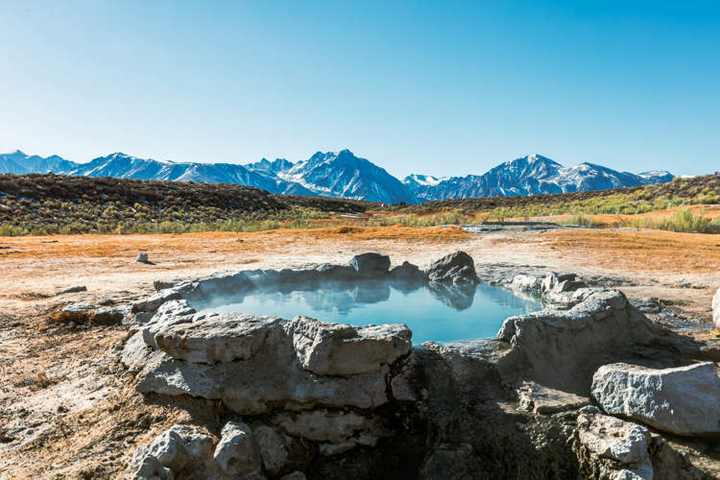
AI tools fabricated a hot spring resort that doesn't exist, causing thousands of tourists to waste their time searching for it.
If the article hadn't garnered attention, this mistake might have gone unnoticed. However, the community's excitement about the new hot springs prompted many tourists to make the long journey to Weldborough. Thousands of visitors from around the world wanted to discover this location.
Kristy Probert, owner of the local Weldborough Hotel, was baffled when tourists kept calling to inquire about the "famous" hot springs. Then, crowds flocked to the area to learn about a place even locals had never heard of.
"At first there were only a few calls, but then people started flocking in. I receive about five calls a day and at least two or three groups of tourists come directly to the hotel to ask for directions. Because we're in a remote area, this situation is really strange," Ms. Probert said.
Speaking to the press, Scott Hennessey, owner of Tasmania Tours, said: "The online criticism has damaged our business reputation and really upset us." He admitted that the company had only recently started using AI to try to keep up with the pace of its competitors.
Experts believe this story foreshadows future problems. Users are increasingly relying on AI to discover destinations, plan itineraries, and calculate costs, while the "story-making" errors cannot be completely fixed anytime soon. This means that tourists will continue to be victims of AI-generated stories in the future.