


Boils are a common skin infection that can appear in many places such as the face, back, neck, armpits, or buttocks.
One of the issues that many people are concerned about is whether diet affects the formation and progression of acne. Diet is not a direct cause of acne, but it plays a significant role in worsening or improving the condition by influencing hormones, the immune system, and the activity of the sebaceous glands.
Who is at high risk of developing boils?
Certain groups are more susceptible to acne, including:
- People with chronic diseases such as diabetes;
- People who are malnourished or obese;
- People with weakened immune systems;
- Elderly people;
- People living in environments with poor hygiene;
Additionally, people with open wounds or those who frequently come into contact with chemicals are also at higher risk.
Common types of boils
Common types of boils:
- A solitary boil (Furunkel): This is an infection of a specific hair follicle, initially a small red bump that then grows larger, becomes painful, and forms a white pus center.
- Carbunculosis: A cluster of multiple individual boils linked together to form a large, deep area of infection, often accompanied by fever, chills, and taking a long time to heal.
- Facial carbuncles (furuncles/boils): This particularly dangerous type of boil often appears around the mouth and nose. It can cause blood infection if squeezed or squeezed.
- Hidradenitis suppurativa: Often appears in the armpits, groin, and skin folds, recurring frequently and spreading to form sebaceous cysts and subcutaneous fistulas.
- Pilonidal cyst: A type of boil that occurs in the buttock crease, usually caused by an ingrown hair becoming infected.
Signs of a severely infected boil include: Widespread redness and swelling, intense pain, and hardness. Fever, chills, and fatigue. Yellow or green pus.
Signs of boils
Boils typically begin as a small red bump on the skin, then gradually develop into a painful, swollen lump containing pus. Typical signs include:
- The skin is swollen, red, hot, and painful to the touch;
- White or yellow pus appears at the tip of the head;
- The size of the pimples increases rapidly;
- They can spread or cluster together;
- Skin oozes fluid and forms scabs.
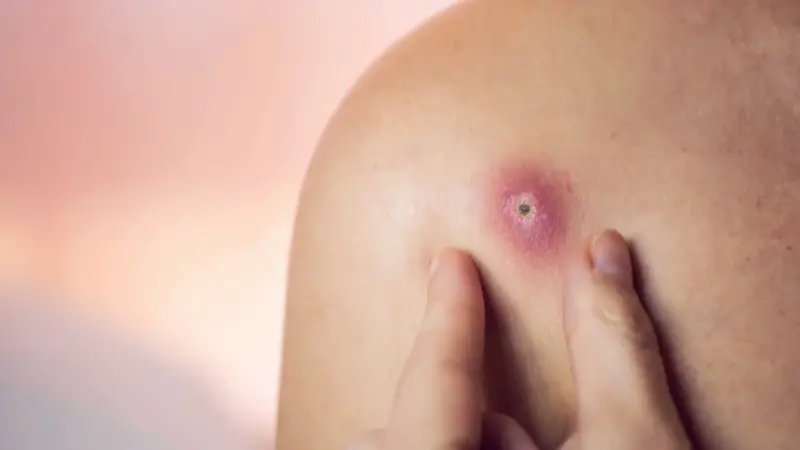
Acne is a common dermatological condition.
In some cases, patients may also experience systemic symptoms such as fever, fatigue, and itching in the surrounding skin area.
Does diet affect acne?
Diet doesn't directly cause acne, but it strongly influences related factors such as hormones, sebaceous gland activity, and the immune system.
Certain foods, if consumed regularly, can worsen acne:
Greasy foods: Fried foods and those high in fat can stimulate the sebaceous glands to become more active, increasing the amount of oil on the skin, which can easily lead to clogged pores and inflammation.
Sugar and refined starches: Foods like sweets, soft drinks, and white bread can rapidly increase insulin levels in the blood. This indirectly stimulates the sebaceous glands, increasing the risk of acne formation.
Spicy foods: Spicy seasonings can increase the inflammatory response in the body, making pimples and boils swell, become painful, and heal more slowly.
Milk and dairy products: Some studies suggest that milk may affect hormones, especially in sensitive individuals, thereby contributing to acne breakouts.
However, it's important to note that these foods don't always cause acne. The effect varies depending on individual body type and consumption levels.
Foods that help improve acne
A healthy, balanced diet can be a positive aid in controlling acne:
- Green vegetables and fruits rich in vitamin C: Help boost immunity, support skin regeneration, and reduce inflammation.
- Foods rich in zinc: Zinc plays an important role in controlling oil secretion and supporting skin healing.
- Drink enough water: Water helps the body eliminate toxins, maintain skin hydration, and prevent clogged pores.
- Fiber-rich foods: Support efficient digestive system function, contribute to hormonal balance, and reduce the risk of acne.
These factors not only help improve acne but also contribute to maintaining healthy skin in the long term.
Effective ways to prevent pimples
To reduce the risk of developing boils, a combination of measures is needed, including maintaining good skin hygiene through bathing; avoiding dirty or sweaty skin; and not sharing personal items.
In addition, it is necessary to build a balanced diet that limits fatty and sugary foods; increase consumption of green vegetables and fruits; and drink enough water, which also helps prevent acne effectively.
It's important to boost immunity, get enough sleep, exercise regularly, and reduce stress. Avoid squeezing pimples yourself, as this can spread bacteria, increase the risk of infection, and leave scars.
In summary: Acne is a common dermatological condition that can be controlled and prevented if the causes are understood and lifestyle adjustments are made. While diet is not a direct cause, it plays a significant role in worsening or improving the condition.
A healthy diet, combined with proper skin hygiene and a strengthened immune system, will help reduce the risk of boils and protect long-term skin health. Patients should seek medical attention if boils are large, very painful, accompanied by fever, spreading, or recurring frequently, and do not improve after a few days.