



According to cardiologists, the combination of cold air, hot water, and changes in posture is a "dangerous trio" for blood vessels and the heart, potentially triggering an ischemic heart attack or acute arrhythmia – a leading cause of sudden death while showering.
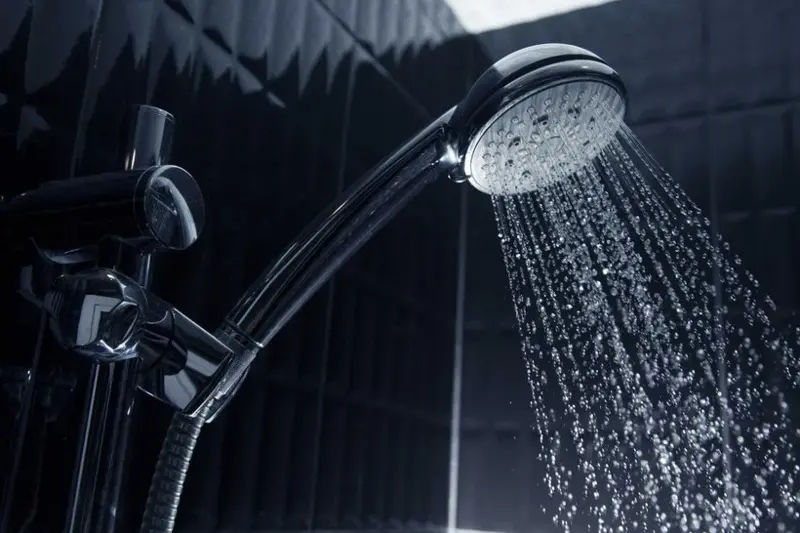
In winter, many people have a habit of taking hot showers to relax and ward off the cold. However, doctors warn that showering in cold weather poses several risks, especially for the elderly, those with cardiovascular disease, or high blood pressure. Even a sudden temperature change can cause the body to go into "cold shock" or "heat shock," leading to fainting or even sudden death.
Stepping into a shower in winter is when the body is most vulnerable to sudden changes. When you undress, the cold causes blood vessels to constrict and blood pressure to rise. Then, as hot water flows over your body, the blood vessels quickly dilate, causing a sharp drop in blood pressure. This is a change that the heart and blood vessels must cope with in just a few short seconds.
Additionally, standing for long periods, bending over, or suddenly changing positions while showering can alter the amount of blood returning to the heart. Some people may experience dizziness, blurred vision, rapid heartbeat, or chest pain. If they don't react quickly, they could faint, fall, or have an accident in the bathroom.
Dr. Nguyen Huy Hoang, from the Vietnam Society of Underwater Medicine and Hyperbaric Oxygen Therapy, warns that if you experience dizziness, lightheadedness, chest pain, palpitations, nausea, or cold sweats while showering, you should immediately turn off the water, sit or lie down, elevate your legs, and call for assistance. Do not try to continue showering as this may worsen your condition.
Even though the symptoms disappear quickly, those experiencing this should still go to the hospital for cardiovascular and blood pressure checks to determine the cause.
If you find a family member unconscious in the bathroom, call emergency services immediately if they are unresponsive. If the victim is in a bathtub full of water, drain the water before moving them to reduce the risk of suffocation. Covering them with a dry towel or clothing can help prevent further hypothermia.
Only move the victim when absolutely necessary, such as if the airway is obstructed. If the person stops breathing or has no pulse, and there is a trained person nearby, chest compressions (CPR) can be performed while waiting for emergency services to arrive.
According to cardiologists, safe winter bathing starts with controlling the temperature and avoiding sudden changes.
Some important notes include: Keep the bathroom draft-free and warm enough; consider using a heater or low-temperature heater before showering. Remember not to turn the water to maximum temperature; choose a temperature of 37-40°C, which is comfortable for the body to adjust to. Warm yourself up beforehand by washing your hands and feet or gently pouring warm water from your feet upwards.
Note that you should limit your bathing time, especially for the elderly or those with underlying health conditions. If bathing alone, close the door but leave it unlocked, so that assistance can be obtained quickly in case of an emergency.
Elderly people and those with a history of cardiovascular disease, high blood pressure, or diabetes need to be especially cautious. Sitting while bathing, having a family member nearby, or bathing during the warmest time of day (9–11 am) are safer options.
In fact, studies show a significant increase in bathroom accidents between October and February each year. Therefore, in addition to providing personal education, authorities need to promote programs to support the installation of heating and insulation systems in bathrooms for low-income elderly people and nursing homes, while also establishing bathroom safety standards in construction regulations for cold climates.
Healthcare workers should proactively ask patients with cardiovascular disease and hypertension about their bathing habits in cold weather, provide specific guidance on prevention, and distribute instructional materials when discharging patients.
Safe winter bathing isn't just about keeping warm; it's also about understanding your body's physiological response to temperature changes. When we understand our health limits and maintain reasonable habits, each bath can truly be a relaxing experience, reducing potential risks to cardiovascular health.