



Fruits are packed with nutrients that support digestive health, including fiber and anti-inflammatory plant compounds that help promote the growth of beneficial bacteria in the gut.
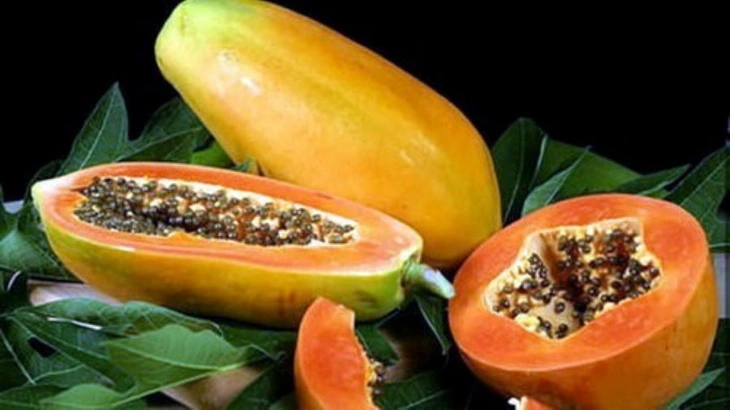
Papaya is one of the best fruits for gut health - Illustration.
Below are some fruits that are good for gut health, along with the factors that contribute to their digestive benefits.
Berries
Raspberries and blueberries are berries that are high in fiber, providing about 5g of fiber per 100g serving.
Berries contain both soluble and insoluble fiber. Soluble fiber provides energy for beneficial bacteria in the digestive tract.
When gut bacteria break down soluble fiber, they produce short-chain fatty acids (SCFAs), which help protect and support overall gut health by reducing inflammation, strengthening the gut lining, and supporting healthy immune function. Insoluble fiber aids digestion by helping maintain regular bowel movements.
Berries also contain polyphenol antioxidants, which can reduce inflammation in the gut and positively impact gut bacteria.
Kiwi
Kiwis are rich in fiber, providing about 2.5g of fiber per fruit. The fiber in kiwis is particularly good at absorbing and retaining water, helping to prevent constipation. Kiwis also contain natural compounds called raphides, which can support more comfortable digestion.
Papaya
Papaya contains the protein-digesting enzyme papain. Protein-digesting enzymes are produced by the body to break down proteins in foods like meat and fish into amino acids so they can be properly absorbed and digested.
Studies indicate that concentrated papaya products may be effective in reducing uncomfortable gastrointestinal symptoms, such as bloating and discomfort. Papaya is also rich in fiber and antioxidants like vitamin C and carotenoids, which may help prevent intestinal inflammation.
Avocado
A 200g avocado provides 13.5g of fiber, nearly half of the recommended daily fiber intake for an average person. Avocados are high in both soluble and insoluble fiber, which helps promote regular bowel movements and overall gut health.
Eating avocados can also help promote the growth of beneficial bacteria in the gut and boost the production of short-chain fatty acids (SCFAs).
Apple
Apples are a rich source of soluble fiber, which supports the growth of beneficial bacteria in the colon, and also provide polyphenols and vitamin C, which help protect cells from damage.
The study also indicated that apples can improve gut health and reduce the risk of colorectal cancer, one of the most common types of cancer worldwide.
Pear
Pears are a good source of fiber, which helps improve gut health; a 230g pear contains 7.1g of fiber, equivalent to about 25% of the recommended daily fiber intake.
By providing both soluble and insoluble fiber, pears support digestion and promote a healthy gut microbiome.
Pears also contain pectin, which acts as a prebiotic, nourishing beneficial bacteria in the gut.
What is it about fruit that's good for gut health?
The health of fruits for gut health depends on factors such as fiber content, levels of nutrients, and antioxidants that are beneficial to the gut.
Fiber, including both soluble and insoluble fiber, plays a crucial role in gut health. Soluble fiber, which dissolves in water, nourishes gut bacteria, while insoluble fiber supports regular bowel movements.
Eating plenty of fiber-rich foods can help reduce the risk of certain digestive diseases, including colon cancer, and may also help prevent common digestive problems like constipation.
Antioxidants like polyphenols help improve the diversity of gut bacteria and protect the intestinal lining.