



A diet rich in nutrients such as vitamins A, C, E, omega-3s, and carotenoids plays an important role in protecting eyesight. Supplementing with the right foods combined with regular eye checkups helps reduce the risk of common eye diseases.
Vision loss is becoming increasingly common, not only among the elderly but also among young people, due to increased screen time, unbalanced diets, and sedentary lifestyles. Modern nutritional studies show that diets rich in antioxidants and essential micronutrients can help protect eye structures, especially the retina and lens.
- 1. Some nutrient-rich foods are good for the eyes.
- 1.1 Eggs
- 1.2 Fatty fish
- 1.3 Citrus fruits
- 1.4 Green leafy vegetables
- 1.5 Types of nuts
- 1.6 Carrots
- 2. Things to note when building a diet that is good for your eyes.
Some essential nutrients for eye health include lutein, zeaxanthin, vitamin A, vitamin C, vitamin E, and omega-3 fatty acids. These substances help reduce oxidative stress, support retinal function, and slow down the aging process of the eyes. Supplementing with natural foods rich in these nutrients is a safe and sustainable way to maintain good vision.
1. Some nutrient-rich foods are good for the eyes.
1.1 Eggs
Eggs are a highly nutritious food, especially beneficial for eye health. Egg yolks contain lutein and zeaxanthin, which help protect the retina from the harmful effects of blue light. Additionally, eggs provide zinc and vitamin A. Zinc helps transport vitamin A from the liver to the retina to produce melanin – the pigment that protects the eyes. Vitamin A is essential for vision in low light conditions.
Adding eggs to your diet in appropriate amounts (3–5 eggs per week for healthy individuals) may help maintain good vision and reduce the risk of macular degeneration.

Eggs are a highly nutritious food, especially beneficial for eye health.
1.2 Fatty fish
Fatty fish such as salmon, tuna, and sardines are rich sources of omega-3 fatty acids, especially DHA – an important component of the retina. Omega-3s have the following effects:
- Supports the function of photoreceptor cells.
- Reduces the risk of dry eyes.
- Improving the quality of tear film...
Several recent studies suggest that a diet rich in omega-3s may help reduce the risk of age-related macular degeneration. Adults should eat fish at least twice a week to ensure adequate nutritional intake.
1.3 Citrus fruits
Fruits like oranges, lemons, and grapefruits are rich sources of vitamin C – a powerful antioxidant that helps protect eye cells from damage caused by free radicals. Vitamin C also plays a role in:
- Maintain the health of blood vessels in the eyes.
- Reduces the risk of cataracts.
- Supports the regeneration of connective tissue...
Adding citrus fruits to your daily diet helps boost immunity and simultaneously protects eye structures from harmful environmental factors.
1.4 Green leafy vegetables
Dark green leafy vegetables such as spinach, kale, and collard greens contain high levels of lutein and zeaxanthin – substances that accumulate in the macula of the eye, filtering blue light and protecting retinal cells. In addition, green vegetables also provide vitamins, folic acid, and fiber.
A diet rich in leafy green vegetables has been shown to be associated with a reduced risk of macular degeneration and age-related vision loss. Green vegetables should be included in daily meals, preferably prepared simply to retain nutrients.
1.5 Types of nuts
Almonds, walnuts, and sunflower seeds are rich sources of vitamin E – an important antioxidant that helps protect the cell membranes of the eyes from damage. Vitamin E plays the following roles:
- Prevent oxidative stress.
- Slows down the aging process of eye cells.
- Reduces the risk of retinal diseases...
Besides vitamin E, nuts also provide heart-healthy unsaturated fats. However, they should be consumed in moderation due to their high energy content (approximately 20–30g/day).
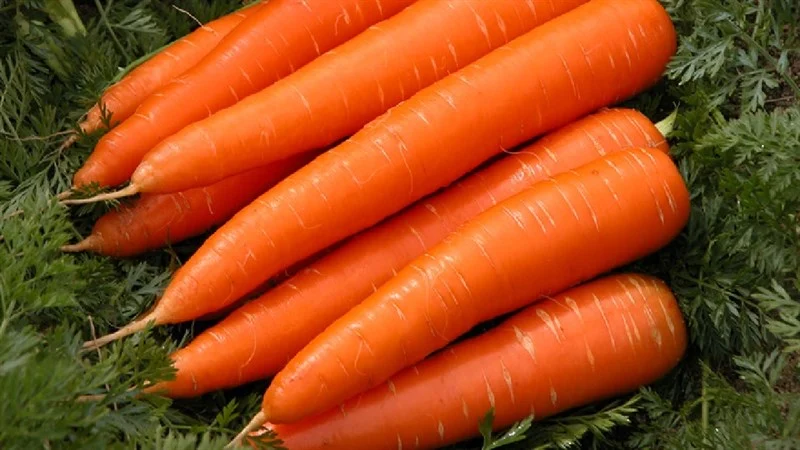
Carrots are a familiar food rich in nutrients that are good for the eyes.
1.6 Carrots
Carrots are a familiar food rich in beta-carotene, a precursor of vitamin A. Once in the body, beta-carotene is converted into vitamin A – an essential nutrient for vision. Vitamin A helps:
- Maintain retinal function.
- Supports vision in low-light conditions.
- Prevent dry eyes...
Vitamin A deficiency can lead to night blindness and more serious eye problems. Besides carrots, vitamin A is also found in animal liver, sweet potatoes, and pumpkins.
2. Things to note when building a diet that is good for your eyes.
Although these foods are beneficial for eye health, some principles should be kept in mind:
- Eat a variety of foods: Don't rely on just one food group.
- Combine this with a healthy lifestyle: Limit screen time and get adequate rest.
- Regular eye exams help detect conditions such as cataracts and glaucoma early.
- Do not use dietary supplements without consulting a healthcare professional: Micronutrient supplementation requires guidance from a healthcare professional.
Nutrition plays a crucial role in maintaining vision and preventing eye diseases. Including eggs, fatty fish, green vegetables, citrus fruits, nuts, and carrots in your daily diet can effectively protect your eyes. However, diet is only one part of eye care. People need to combine it with healthy lifestyle habits and regular check-ups for long-term vision protection.
Please watch the video for more information: