


Inflammatory acne is one of the most common dermatological problems, which can occur at many ages but is most frequently seen during puberty or when the body undergoes hormonal changes.
Inflammatory acne is not simply a case of "pimples" appearing, but rather a manifestation of an inflammatory reaction in the skin, related to many factors from within the body to the external environment. Understanding the causes is a crucial step in effectively controlling and treating acne.
What causes inflammatory acne?
Clogged pores
One of the most important factors causing inflammatory acne is clogged pores.
Causes of clogged pores include: Overactive sebaceous glands; Accumulation of dead skin cells on the skin surface; Dirt and environmental pollution; Using unsuitable cosmetics… When pores are clogged, sebum cannot be expelled, creating a favorable environment for bacteria to grow and cause inflammation.
Depending on the severity, inflammatory acne can manifest in various forms such as red pimples, pustules, or cysts.
Hormonal imbalance
Hormones play a crucial role in regulating the activity of the sebaceous glands. When hormones change, the oil glands may become more active, leading to increased sebum production and acne formation.
This condition is common during the following periods: Puberty; Menstrual cycle; Pregnancy; Premenopause… This is why many people notice more acne appearing at certain times of the month or during periods of physiological change.
Caused by the bacterium P. acnes
The bacteria P. acnes is part of the skin's natural microbiome. However, when favorable conditions arise, such as an oily, clogged skin environment, these bacteria can thrive and cause inflammation.
In particular, when the skin is not properly cleansed or is frequently exposed to polluted environments, the number of bacteria can increase rapidly, making acne worse.
Due to diet
Diet is also an important factor affecting inflammatory acne.
Certain foods can increase the risk of acne breakouts: Greasy foods; Fast food; Sugary foods; Spicy foods… These foods can stimulate the sebaceous glands to become more active, while also increasing the inflammatory response in the body, making acne more likely to erupt and difficult to control.
Due to side effects of the medication.
Several types of medications can cause or worsen inflammatory acne, including: long-term antibiotic use; birth control pills; hormone replacement therapy;… These medications can alter hormonal balance or affect the function of the sebaceous glands, thereby increasing the risk of acne formation.
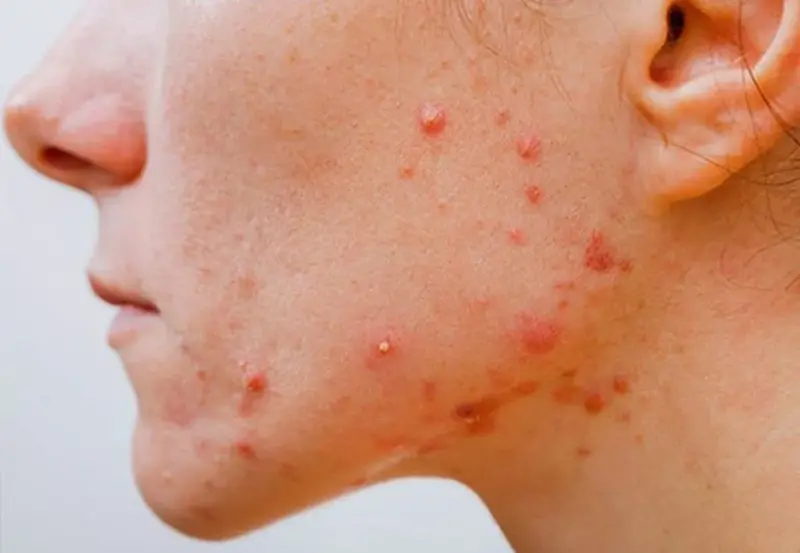
Besides being unsightly, inflammatory acne significantly impacts psychology and daily life.
Due to lifestyle and skincare habits
Some seemingly harmless daily habits can contribute to an increased risk of inflammatory acne: Not cleansing the skin properly; frequently touching the face; staying up late and prolonged stress; using unsuitable cosmetics;... Stress and lack of sleep can also disrupt hormones, thereby stimulating the sebaceous glands to become more active.
Due to the environment and pollution
A polluted living environment with lots of dust and smoke increases the risk of inflammatory acne.
Fine dust, bacteria, and pollutants can cling to the skin, combining with excess oil to form a blockage in the pores. If not thoroughly cleaned, this condition will persist and lead to dermatitis.
Effective prevention of inflammatory acne
To effectively prevent inflammatory acne from an early age, you need to establish a scientific skincare routine that suits your skin type. Below are some important tips to help protect your skin from the risk of acne recurrence:
- Cleanse your skin properly: You should wash your face twice a day with a gentle cleanser that does not contain alcohol or harsh detergents. Proper facial cleansing helps remove dirt, excess oil, and dead skin cells – the main causes of clogged pores.
- Use appropriate sunscreen: Always apply sunscreen for acne-prone or sensitive skin about 20-30 minutes before going outside. UV rays not only cause aging but can also increase the risk of skin inflammation and stimulate acne development.
- Choose non-comedogenic cosmetics: If you wear makeup daily, prioritize products labeled "non-comedogenic." Also, remember to thoroughly remove your makeup at the end of the day to keep your skin clear and prevent acne formation.
In summary: Inflammatory acne is a common dermatological condition, but it can be managed if you understand the causes and have the right care methods. From hormonal factors and bacteria to diet and lifestyle habits, all can affect the skin.
When acne persists or becomes severe, patients should visit a dermatology specialist for timely advice and treatment.