



From droughts and wildfires to melting ice and weakening ocean currents, new research shows that the global climate system is undergoing dramatic changes.
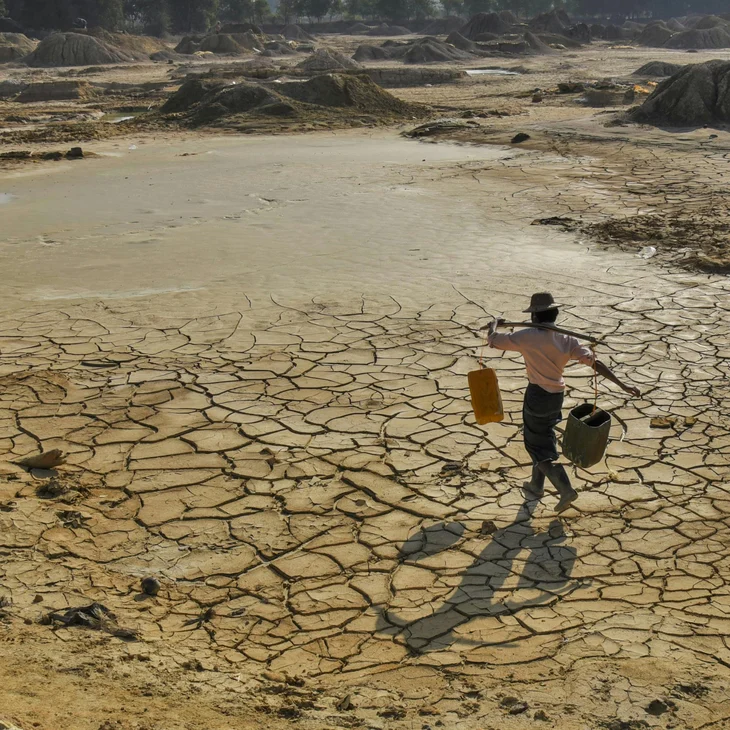
Global droughts are not solely due to a lack of rain - Photo: AI
When viewed from space, Earth appears both beautiful and fragile. It is in this context that Earth Day 2026 (April 22nd), with its message "Our Power, Our Planet," becomes a powerful reminder of each person's responsibility.
Drought is spreading on an alarming scale.
Drought is not simply "no rain," but the result of a disrupted climate system. As global temperatures rise, water evaporates more quickly from the soil, rivers, lakes, and even crops. This causes the land to dry out even when rainfall doesn't decrease significantly.
Many regions around the world are facing prolonged droughts. The consequences extend beyond just drinking water shortages; they directly impact agricultural production, food supply, and prices. Some areas require sustained heavy rainfall to recover, but signs of improvement remain unclear.
Wildfires no longer "sleep" at night.
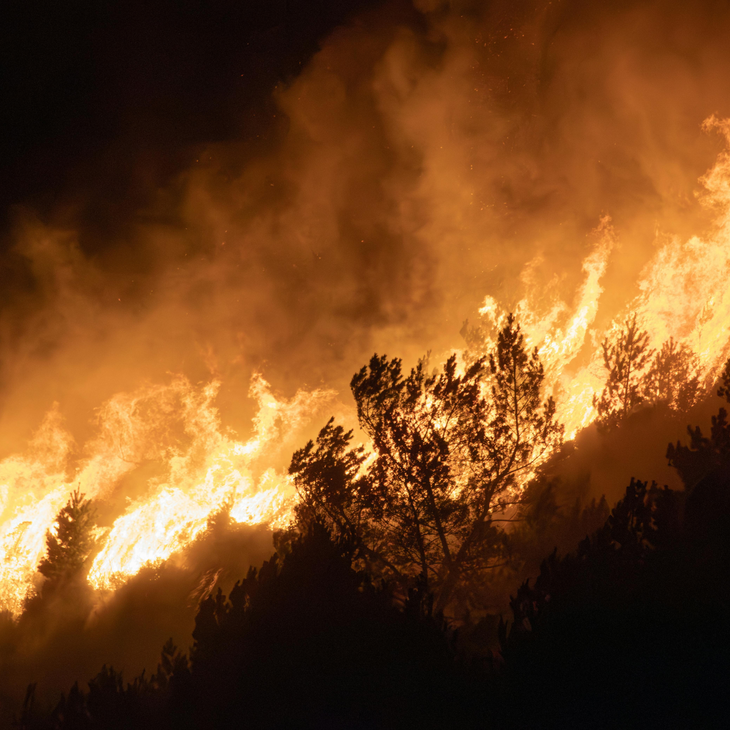
Wildfires are more dangerous because there is no longer a safe timeframe to control them - Photo: AI
Previously, wildfires often decreased in intensity or almost died out at night due to lower temperatures, higher humidity, and weaker winds. This gave firefighters "time to rest" or better control the blaze.
New studies published in Science Advances show that wildfires are increasingly lasting throughout the day and night. Climate change is increasing the number of hours a day that can be affected by fires, especially in mountainous and northern forest areas. This makes controlling wildfires significantly more difficult.
The global "ocean conveyor belt" is weakening.
The thermal-salt cycle, also known as the "ocean conveyor belt," plays a crucial role in regulating global climate. Scientists warn that this system, particularly the Atlantic Meridional Overturning Circulation, could weaken significantly by the end of the century. The primary cause is the loss of freshwater due to melting ice, which alters ocean salinity and temperature.
Ice melt in Greenland and Antarctica is accelerating.
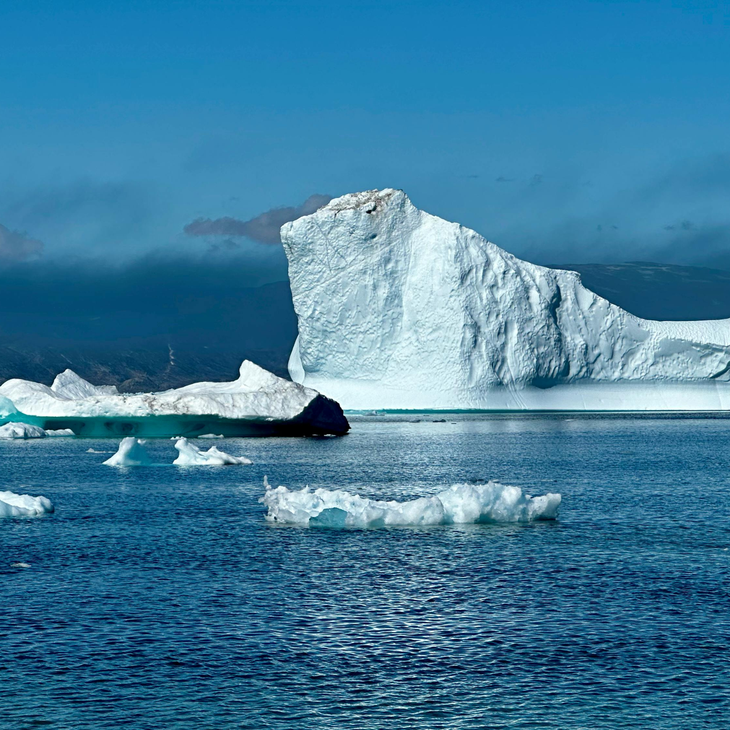
As large ice sheets in Greenland and Antarctica melt, the most visible effect is rising sea levels. But the deeper impact is that it alters the structure of the ocean and the climate. - Photo: AI
The massive ice sheets in Greenland and Antarctica are losing mass at a faster rate than predicted. Freshwater from melting ice is diluting the oceans, affecting ocean currents.
Furthermore, white ice has the ability to reflect sunlight; when it disappears, the Earth absorbs more heat, accelerating the warming process. This is a dangerous cycle.
Misinformation about the climate on social media.
Social surveys show that the group of people who completely deny the reality of climate change accounts for only a small percentage, less than 12%. However, they are very active on social media, making the feeling of skepticism more widespread than it actually is.
This shows that social perception depends not only on science, but is also influenced by how information is disseminated and amplified.