



Fatty liver disease can stem from various causes. Among them, unhealthy lifestyles and diets are common factors.
Fatty liver disease can stem from various causes. Unhealthy lifestyles and diets are common factors. In addition, certain underlying conditions such as diabetes, lipid metabolism disorders, obesity, or viral hepatitis can also contribute to an increased risk of developing fatty liver disease.
Importantly, fatty liver disease can be significantly improved if patients adjust their diet and maintain a healthy lifestyle.
- Increase your intake of green vegetables and fresh fruits.
- Choose healthy protein sources.
- Limit your intake of high-fat and fried foods.
- Control sugar and starch intake.
- Limit alcohol consumption.
- Drink enough water.
- Combine a healthy diet with a healthy lifestyle.
A proper diet not only helps reduce fat accumulation in the liver but also supports the recovery of damaged liver cells. Conversely, if unhealthy eating habits continue, fatty liver disease can worsen and lead to complications such as fatty liver hepatitis or cirrhosis.
Therefore, establishing a scientific diet is one of the important measures to help control and improve the disease.
Increase your intake of green vegetables and fresh fruits.
Green vegetables and fruits are rich sources of vitamins, minerals, and antioxidants for the body. These nutrients help reduce inflammation, support liver detoxification, and improve metabolic function.
People with fatty liver disease should include a variety of green vegetables in their daily meals, such as kale, spinach, broccoli, carrots, or other dark leafy greens. These foods are rich in fiber, which helps control blood sugar levels and limit fat accumulation in the liver.
In addition, fresh fruits such as apples, grapefruits, oranges, strawberries, or kiwis also provide plenty of vitamin C and antioxidants that are beneficial for liver health. However, patients should limit overly sweet fruits to avoid increasing blood sugar levels.
Choose healthy protein sources.
Protein plays a crucial role in the regeneration and repair of liver cells. However, people with fatty liver disease need to choose appropriate protein sources to avoid increasing body fat levels.
Nutritionists encourage patients to prioritize lean protein sources such as fish, skinless poultry, tofu, beans, or low-fat dairy.
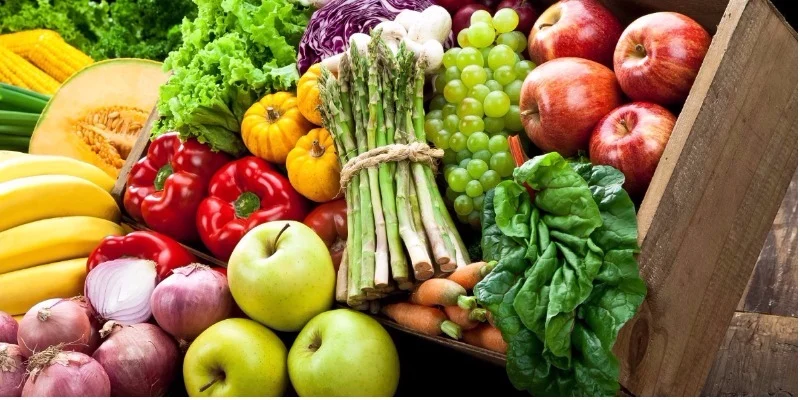
Green vegetables and fruits are rich sources of vitamins, minerals, and antioxidants for the body.
Seafood such as salmon, mackerel, or sardines are rich in omega-3 fatty acids, which help reduce inflammation and improve dyslipidemia – one of the factors associated with fatty liver disease.
Conversely, patients should limit fatty red meats, processed meats, or organ meats because these foods can increase cholesterol and put a strain on the liver.
Limit your intake of high-fat and fried foods.
Foods high in saturated and trans fats can increase fat accumulation in the liver. Fried foods, fast food, pastries, processed foods, or greasy dishes are all foods that people with fatty liver disease should limit.
Instead of using cooking methods that involve a lot of oil, such as frying or stir-frying, patients should prioritize healthier cooking methods such as boiling, steaming, or grilling.
Reducing the amount of fat in your diet will help lessen the burden on your liver and support the improvement of fatty liver disease.
Control sugar and starch intake.
Consuming too much sugar and refined carbohydrates can increase triglyceride levels in the blood, which in turn contributes to fat accumulation in the liver. Foods such as candy, soft drinks, milk tea, white bread, or white rice, when eaten in excess, can increase the risk of fatty liver disease.
Patients should limit sugary drinks and processed foods high in sugar. Instead, they should choose whole grains such as brown rice, oatmeal, or whole-wheat bread to provide energy for the body.
These foods are high in fiber, which helps stabilize blood sugar and supports fat metabolism.
Limit alcohol consumption.
Alcohol is one of the most common causes of liver damage. When the body metabolizes alcohol, the liver has to work harder to remove the harmful substances. Regular alcohol consumption can increase fat accumulation in the liver and cause the disease to progress more rapidly.
Therefore, people with fatty liver disease should minimize or stop consuming alcohol to protect their liver function.
Drink enough water.
Water plays a crucial role in supporting metabolism and helping the body eliminate toxins. Drinking enough water every day not only helps improve liver function but also supports a more efficient digestive system.
Adults should maintain a habit of drinking about 1.5–2 liters of water per day, depending on their body's needs and activity level.
Combine a healthy diet with a healthy lifestyle.
Besides adjusting their diet, people with fatty liver disease also need to combine it with a healthy lifestyle to achieve better results.
Regular exercise helps burn excess energy, control weight, and reduce fat accumulation in the liver. Experts recommend maintaining at least 30 minutes of physical activity each day, such as brisk walking, cycling, or swimming.
In addition, getting enough sleep, reducing stress, and having regular health checkups also play an important role in protecting liver health.
In summary: Fatty liver disease is a common condition, but it is entirely treatable if patients proactively change their lifestyle and adopt a healthy diet. A balanced diet combined with regular exercise will help reduce fat accumulation in the liver, support liver function recovery, and contribute to long-term health.