



Calcium is an essential mineral that plays a crucial role in building and maintaining strong bones and teeth, and is involved in many important physiological functions of the body.
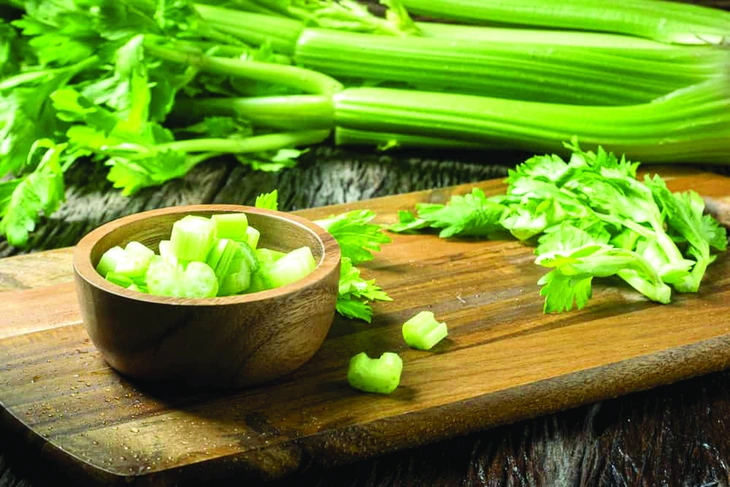
Celery provides approximately 325 mg of calcium per 100 g - Illustration image
Vegetables rich in calcium
According to MSc. Ngo Quynh Trang, Clinical Nutrition Center, Bach Mai Hospital, calcium is a mineral that plays both structural and functional roles in the body. Approximately 99% of calcium is stored in bones and teeth in the form of mineral complexes such as calcium phosphate and hydroxyapatite, which help create strength and hardness for the skeletal system.
The remaining calcium is involved in many important physiological functions such as nerve transmission, muscle contraction regulation, acid-base balance maintenance, and blood clotting. When the diet does not provide enough calcium, the body will mobilize calcium from the bones, which over time increases the risk of osteomalacia and osteoporosis.
According to recommendations, adults need about 1,000 mg of calcium per day; the elderly, pregnant women, and breastfeeding mothers need about 1,200-1,300 mg per day. Effective calcium supplementation should be combined with a balanced diet, sufficient vitamin D, and maintained physical activity.
Doctor Trang advises that plant-based foods also play an important role in the daily diet:
- Amaranth: contains approximately 341mg of calcium per 100g, making it one of the green vegetables with a high calcium content. It is easy to grow, easy to prepare, and suitable for people of all ages.
- Celery: Provides approximately 325mg of calcium per 100g, and is also rich in vitamin K, an important factor in bone metabolism.
- Sesame seeds: A plant-based food very rich in calcium, with a content of approximately 975mg of calcium per 100g. Sesame seeds also provide unsaturated fats and antioxidants, which are beneficial for cardiovascular health and bone and joint health.
Some plant-based foods contain oxalates (spinach, kale, eggplant, beets, etc.) and phytates (beans, nuts, grains, etc.), which can reduce calcium absorption. Therefore, a diverse diet, proper preparation, and sufficient vitamin D intake are necessary to optimize calcium absorption from the diet.
Supplement your calcium intake with a variety of sources, including seafood and dairy products.
According to Doctor Trang, milk and dairy products are important sources of calcium with high bioavailability.
- Fresh milk: Approximately 120mg of calcium per 100g; one glass of milk (~250ml) provides nearly 300mg of calcium.
- Yogurt: Approximately 120-150mg/100g, easily digestible, suitable for many people.
- Cheese: A food very rich in calcium, averaging 500-700mg/100g
Seafood provides a rich source of calcium, especially when eaten with the shell or bones:
- Dried shrimp: Approximately 2,000mg of calcium per 100g; fresh freshwater shrimp: Approximately 1,120mg of calcium per 100g.
- Fresh crabs contain 3500mg of calcium per 100g.
- Freshwater crabs contain approximately 826mg of calcium per 100g.
- Snails (rock snails, apple snails, garden snails, etc.) contain between 1,300 and 1,660 mg of calcium per 100g.
- Common types of fish contain 20-100mg of calcium per 100g.
Ensuring adequate calcium intake through daily diet not only helps prevent osteoporosis but also contributes to improved quality of life, especially for the elderly, pregnant women, and breastfeeding mothers.