



Besides foods rich in animal protein, many types of fruits – especially dried fruits – help supplement iron for the body, improving iron deficiency, supporting red blood cell production, and maintaining health.
1. The body's daily iron requirements
Each person's iron needs vary depending on age, gender, and physiological condition. According to nutritional recommendations, iron supplementation is crucial for maintaining health. Pregnant women and children, in particular, have higher iron requirements.
According to nutritional recommendations:
- For females aged 14–18, the recommended daily iron intake is approximately 15 mg; for females aged 19–50, it is approximately 18 mg.
- Pregnant women should take approximately 27 mg per day.
- Adult men should take approximately 8 mg per day.
- Postmenopausal women should take approximately 8 mg per day...
Vegetarians or vegans may need higher amounts of iron because iron from plant sources is absorbed less efficiently than iron from animal sources.
2. Fruits can supplement the body with non-heme iron.
Iron is an essential mineral involved in the production of hemoglobin – a component of red blood cells that helps transport oxygen to the body's tissues. When the body lacks iron, the process of red blood cell production is affected, leading to iron-deficiency anemia with symptoms such as fatigue, dizziness, reduced concentration, or pale skin.
In the diet, iron exists in two main forms: heme iron (found in animal products such as meat and fish) and non-heme iron (found in plant products such as vegetables, beans, grains, and fruits). Heme iron is generally absorbed better, but non-heme iron still plays an important role in supplementing the body's micronutrient needs. Many fruits, especially dried fruits, contain relatively significant amounts of iron. When fruits are dried, the water content is reduced, but nutrients such as iron and fiber become more concentrated.
3. Fruits that help supplement iron and prevent iron-deficiency anemia.
Here are some fruits that can help supplement iron in your daily diet:
3.1 Dried apricots are a good source of iron and fiber.
Dried apricots are one of the dried fruits rich in iron. A serving of about half a cup of dried apricots can provide approximately 2.1 mg of iron. In addition to iron, dried apricots also provide a significant amount of fiber, which helps support digestion and promotes a feeling of fullness. Therefore, this fruit can be used as a snack between meals or incorporated into dishes such as oatmeal, cereal, or fruit salads.
For individuals at risk of iron deficiency, dried apricots are a convenient option in their diet because they are easy to store and carry.
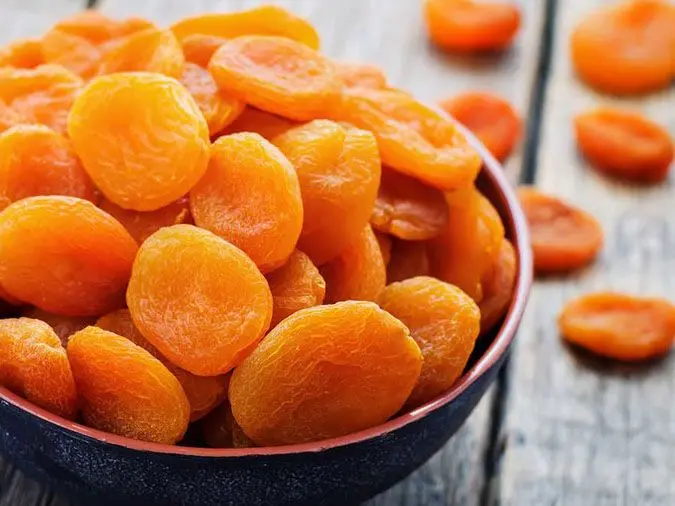
Dried apricots are a good source of iron in the daily diet.
3.2 Dried peaches are a good source of iron and vitamin C.
Dried peaches contain approximately 3.3 mg of iron per half cup, significantly more than many other fruits. Additionally, dried peaches provide vitamin C, an important nutrient that helps increase the absorption of non-heme iron in the intestines. When plant-based iron is combined with vitamin C-rich foods, absorption can be significantly enhanced. Dried peaches also provide potassium, magnesium, and fiber – nutrients beneficial for digestive and cardiovascular health.
3.3 Mulberries provide iron and antioxidants.
Fresh or dried mulberries can also contribute a certain amount of iron. About half a cup of mulberries provides approximately 1.3 mg of iron. In addition, this fruit contains many plant compounds such as anthocyanins, a group of antioxidants that can help reduce inflammation and protect cells from free radical damage. Mulberries can be used in jams, added to baked goods, or used in desserts.
3.4 Dried figs are a source of iron and minerals.
Dried figs are also a good source of plant-based iron. A half-cup serving can provide about 1.5 mg of iron. In addition, dried figs contain calcium and phosphorus, minerals essential for bone and dental health. However, it's important to note that calcium can somewhat reduce iron absorption if consumed in large quantities at the same time. Dried figs can be eaten directly or chopped and added to salads, cereals, or snacks.
3.5 Raisins are a convenient source of iron.
Raisins are a popular dried fruit, readily available and versatile in many dishes. About half a cup of raisins provides approximately 1.4 mg of iron. Besides iron, raisins also contain other minerals such as potassium, magnesium, and a certain amount of fiber. They can be sprinkled on yogurt, cereal, salads, or used in baked goods. However, because they are a dried fruit, raisins are high in energy and should be consumed in moderation.
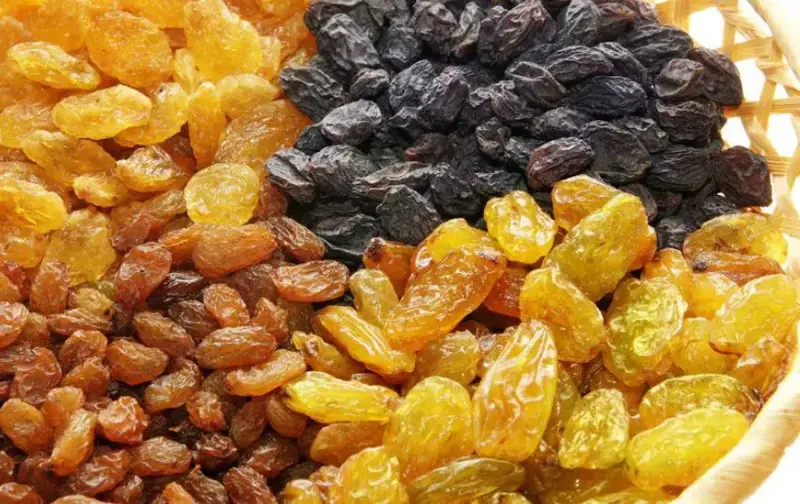
Raisins are a convenient source of iron.
3.6 Sour cherries are a source of iron and polyphenols.
Sour cherries (fresh, frozen, or canned) also contain a certain amount of iron. Half a cup of them provides about 0.5 mg of iron. In addition to iron, sour cherries also contain polyphenols, a group of plant compounds with antioxidant and anti-inflammatory properties. This fruit is often used in smoothies, mixed with oatmeal, or as a topping for salads.
4. Ways to increase iron absorption from fruits and plant-based foods
To make the most of the iron from fruits and plant-based foods, keep the following points in mind:
Combined with vitamin C: Foods rich in vitamin C, such as oranges, lemons, guavas, tomatoes, or bell peppers, help increase the absorption of non-heme iron.
Avoid drinking tea or coffee immediately after meals: The polyphenol compounds in tea and coffee can significantly reduce iron absorption.
Avoid consuming excessive amounts of calcium in the same meal as iron-rich foods: Calcium in milk and dairy products can interfere with iron absorption.
Combine a variety of foods: In addition to fruits, you should add other iron-rich foods such as lean meat, fish, beans, and dark green vegetables to ensure you meet your micronutrient needs.
A diet rich in iron-containing foods can help prevent mild iron deficiency. However, if you experience suspicious signs of anemia such as persistent fatigue, pale skin, or shortness of breath during exertion, you should see a doctor for testing and treatment advice.
Self-medicating with iron supplements without a doctor's prescription can lead to iron overload, affecting the liver and other organs. Therefore, iron-rich fruits should be considered part of a balanced diet, not a substitute for medical treatment when diagnosed with iron-deficiency anemia.