



Garlic is a common spice in Vietnamese meals and has also been used in traditional medicine for a long time. Eating garlic every day can help lower blood pressure, improve blood lipid levels, and protect blood vessels.
Many modern studies show that consuming garlic (Allium sativum), which provides bioactive compounds, especially sulfur-containing ones like allicin, may offer certain benefits for the cardiovascular system.
1. The effects of eating garlic on cardiovascular health.
- 1. The effects of eating garlic on cardiovascular health.
- 1.1. Eating garlic helps lower blood pressure in people with hypertension.
- 1.2. Lowering cholesterol and improving blood lipid levels
- 1.3. Slowing down the process of atherosclerosis
- 1.4. Improving vascular endothelial function
- 2. How should you eat garlic to get the most benefit?
1.1. Eating garlic helps lower blood pressure in people with hypertension.
One of the most well-known benefits of eating garlic is its ability to help lower blood pressure. Comprehensive studies show that garlic supplementation can help reduce both systolic and diastolic blood pressure, particularly in people with hypertension.
The main mechanism involved is:
- Natural vasodilation: The sulfur compounds in garlic help increase the production of nitric oxide, a substance that plays a role in dilating blood vessels.
- Reducing oxidative stress: Garlic has antioxidant properties that help protect endothelial cells (the inner lining of blood vessels).
- Supports vascular regulation : By reducing inflammation and improving vascular wall function.
However, the reduction in blood pressure is usually not significant and is not a substitute for prescribed medication. Eating 1–2 cloves of garlic daily may offer some support, but it should be combined with a low-salt diet, exercise, and weight management.
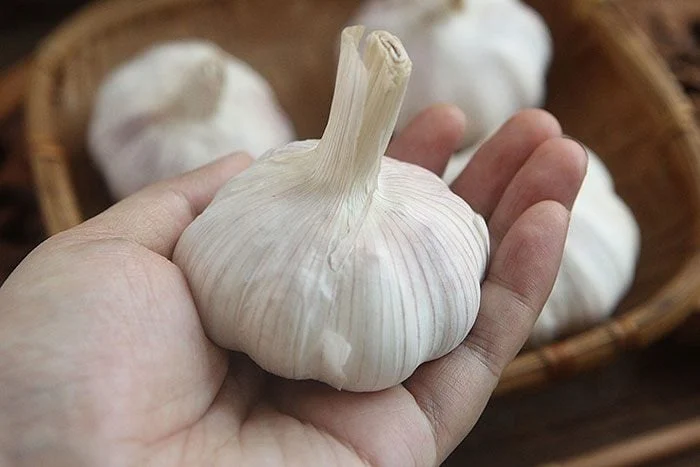
Eating garlic every day can help lower blood pressure, improve blood lipid levels, and protect blood vessel walls.
1.2. Lowering cholesterol and improving blood lipid levels
Some evidence suggests that garlic may help improve blood lipid profiles, including:
- Lower total cholesterol.
- Lower LDL-cholesterol ("bad" cholesterol).
- Lower triglycerides...
The mechanism is believed to be due to garlic:
- It inhibits the enzyme involved in cholesterol synthesis in the liver.
- Reduces cholesterol absorption in the intestines.
- Increase the elimination of cholesterol from the body...
This effect is more pronounced in people with high blood cholesterol. However, the level of improvement is often moderate and inconsistent across studies. Therefore, garlic should only be considered as part of a lipid management strategy, alongside a healthy diet (reducing saturated fat, increasing fiber) and medical treatment when necessary.
1.3. Slowing down the process of atherosclerosis
Atherosclerosis is a major cause of many dangerous cardiovascular diseases such as heart attack and stroke. This condition occurs when plaque builds up in the arteries, narrowing them and obstructing blood flow.
Some studies suggest that garlic may help:
- Slows down plaque formation and calcification.
- Reduces the progression of atherosclerosis.
- Limit damage to blood vessel walls caused by inflammation and oxidation...
These effects are related to garlic's anti-inflammatory and antioxidant properties. However, the evidence is still not strong enough to definitively conclude that garlic can completely prevent atherosclerosis.
1.4. Improving vascular endothelial function
Vascular endothelium plays a crucial role in regulating blood flow, blood pressure, and inflammatory responses. Endothelial dysfunction is an early sign of cardiovascular disease. Garlic supplementation may help:
- Improves endothelial function.
- Increases the ability to dilate blood vessels.
- Supports microcirculation.
- Reduce markers of inflammation in the body...
As a result, blood vessels can respond more flexibly to physiological changes, contributing to a reduced risk of cardiovascular disease in the long term.
2. How should you eat garlic to get the most benefit?
The cardiovascular benefits of garlic primarily stem from its bioactive compounds, including:
- Sulfur-containing compounds (such as allicin): Have vasodilating effects and lower cholesterol.
- Polyphenols: Antioxidants, protect cells.
- Other plant compounds: Support in reducing inflammation.
The combination of these active compounds allows garlic to affect various mechanisms in the cardiovascular system, from blood pressure and blood lipids to vascular function. For healthy individuals, consuming garlic in moderation is considered safe and may offer certain benefits.
General recommendations
- Eat about 1–2 medium-sized cloves of garlic each day.
- It can be added to soups, stews, stir-fried vegetables, or cereals.
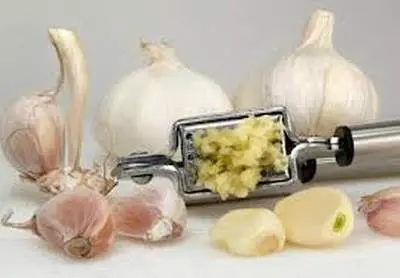
- It's best to crush the garlic and let it sit for a few minutes before cooking to increase its allicin activity...
Not a substitute for medical treatment.
Despite its many potential benefits, garlic is not a "cure-all for cardiovascular disease." Using garlic should be considered part of a healthy diet, not a substitute for medication or medical interventions when a disease is already present. The effectiveness of garlic is generally supportive and depends on individual constitution, dosage, and method of use.
Note:
- You shouldn't eat too much garlic because it can cause stomach irritation and bad breath.
- People taking blood thinners should be cautious because garlic may increase the risk of bleeding.
- People with digestive problems should consult a doctor before using this regularly.
To effectively protect cardiovascular health, people need to maintain a healthy lifestyle:
- Eat a balanced diet, reduce salt intake, and limit unhealthy fats.
- Increase physical activity.
- Do not smoke.
- Control blood pressure, blood sugar, and blood lipids.
Eating garlic daily in reasonable amounts can offer some cardiovascular health benefits, such as helping to lower blood pressure, improve blood lipid levels, and protect blood vessels. However, these effects are moderate and need to be combined with a healthy lifestyle to achieve noticeable results.
Readers are invited to read more: